Timeline Chronology: 1 Mya
Pre-history
0.9-0.8 Mya
- Homo heidelbergensis may have evolved from Homo ergaster (African Homo erectus) possibly following an intense population bottleneck, and has been regarded as either the last common ancestor of modern humans, Neanderthals, and Denisovans; or as a completely separate lineage.
0.79 Mya
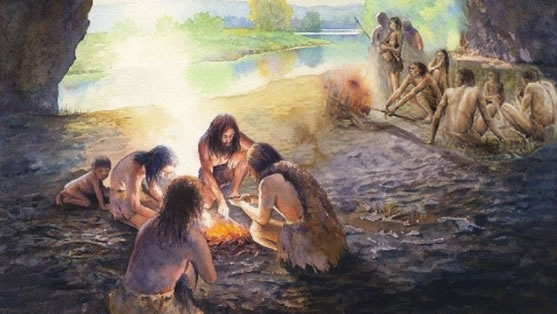
- First reliable evidence for control of fire at Gesher Benot Ya’aqov, Israel
0.78 Mya
- Earth’s magnetic field assumes current polarity
0.7 Mya
- Populations of Homo heidelbergensis dispersed into Europe
0.6 Mya
- Homo heidelbergensis now widespread

0.5 Mya
- Homo heidelbergensis settlements became more permanent.
0.4 Mya
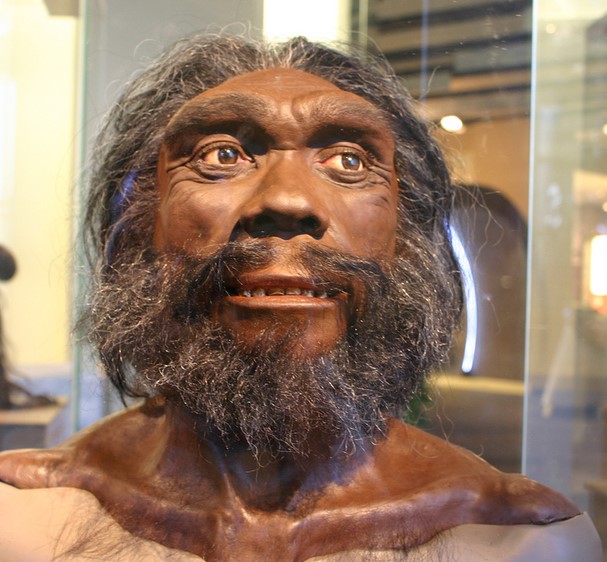
- Distinctive Neanderthal anatomy appears across Europe
- Fire-hardened wooden spears in use

0.3 Mya
- Evidence of prepared cores used to make multiple-component tools
- Modern human skeletal traits appear in African Homo heidelbergensis
0.28 Mya
- First evidence for use of natural pigments
- Incised pebble from Berekhat Ram, Israel could be first art
0,25 Mya

0.2 Mya
- Mitochondrial Eve is the last common ancestor of all humans

0.186–0.127 Mya
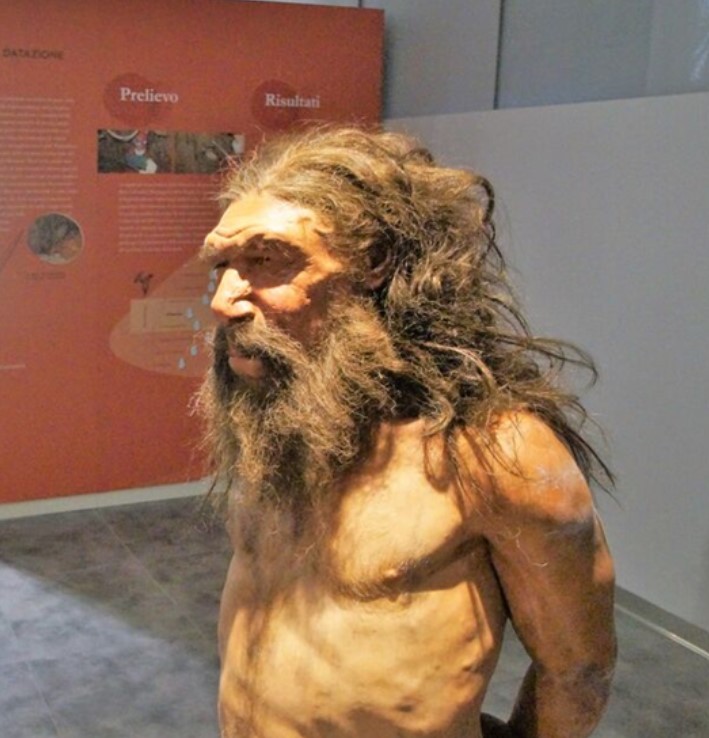
- Neanderthals engage in communal hunting and mass kills
0.16 Mya
- Homo sapiens idaltu; skull has some primitive features, but shares distinctive characteristics with modern humans
130,000–115,000 Ya
- Increasing use of fish and marine mammals at sites in South Africa
- The last ice age, known in the Alps as the Würm glaciation, began approximately 110,000 years ago and ended around 11,700 years ago.
- The migratory movements of the mammoth were constrained in their range by the ice sheets of the last glaciation.
120,000 Ya
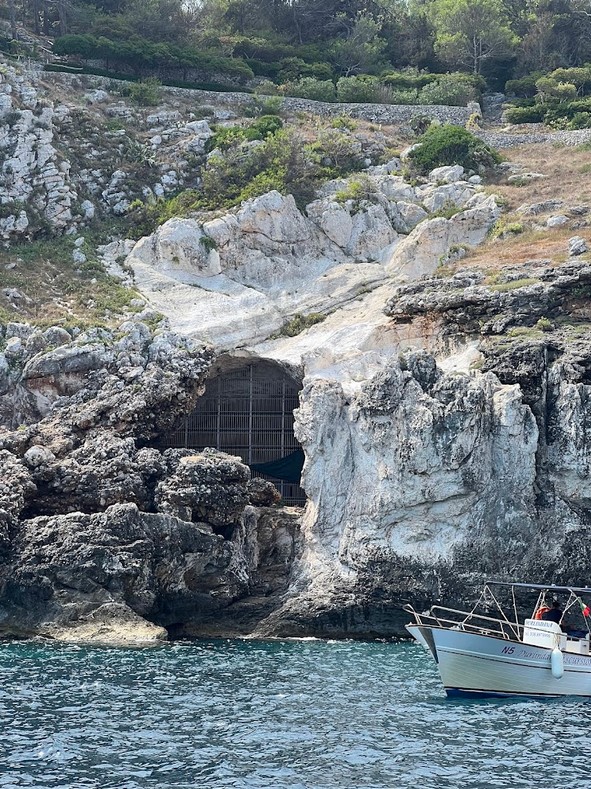
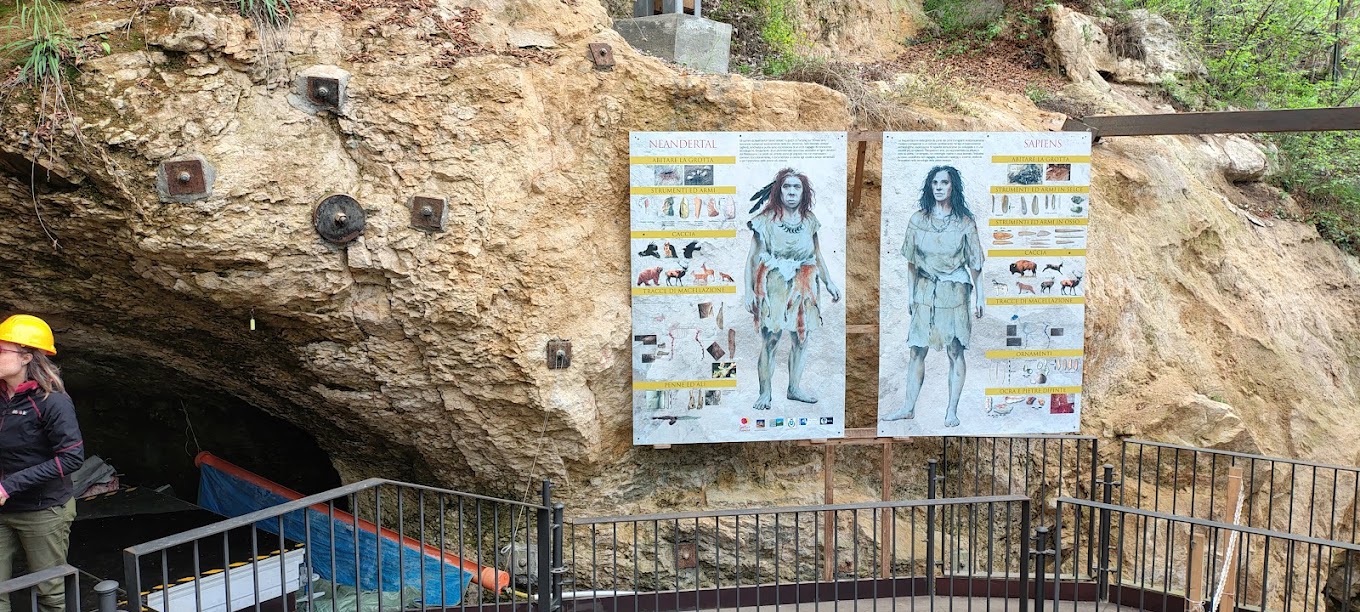
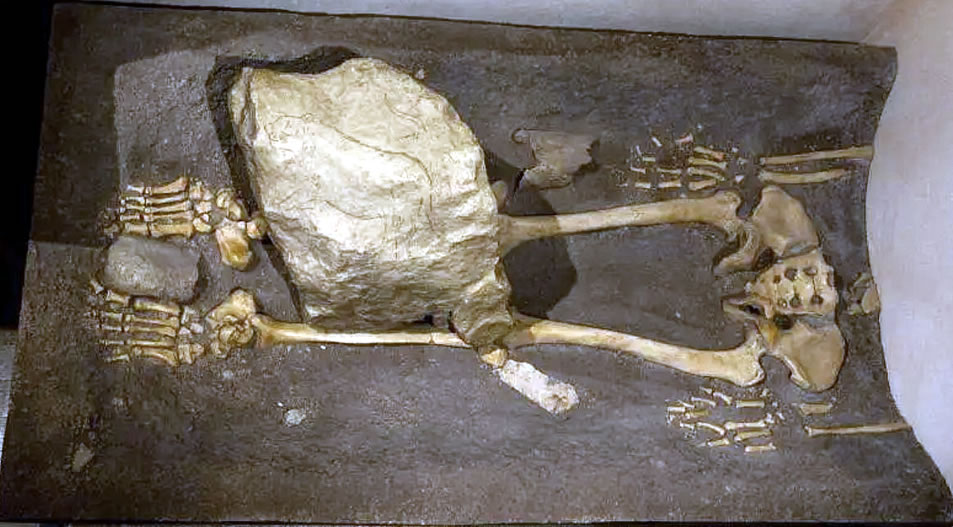
- Earliest possible Neanderthal burial
110,000–90,000 Ya
- Early Homo sapiens in Levant


75,000 Ya
- Advanced “blade” technologies, shell beads, and incised ocher at Blombos Cave, South Africa
73,500 Ya
- The eruption of Mt. Toba in Sumatra causes global drop in temperature
46,000 Ya
- Modern fossils of humans appear in southern Asia
45,000 Ya
- Widespread colonization of Australia
- Homo sapiens reaches eastern Europe, where Homo neanderthalensis already lives.
43,000 Ya
- Homo sapiens and Neanderthals lived together in Italy

40,000 Ya
- Colonization of New Guinea
- Late surviving Homo erectus in China
- Homo sapiens in China
38-35,000 Ya
- The climate is characterized by mildly temperate phases, which have expanded the tundra and covered the land with coniferous forests, enabling the spread of Homo sapiens sapiens toward the end of the Quaternary era.
37,000 Ya
- Campanian eruption in Italy; ash falls across much of Europe
36,000–28,000 Ya
- In Europe, some technologies suggest Neanderthal and human interaction
35,000 Ya
- Aurignacian technologies well-established across Europe, including characteristic stone tools and art
32,000 Ya
- Earliest Homo sapiens in Japan
- Chauvet cave paintings, France
29-20,000 Ya
- Last glacial maximum: the maximum cold peak of the Würm glaciation—the Last Glacial Maximum—was marked by a sea-level drop of over 120 meters.

28-21,000 Ya
- Gravettian culture

27,000 Ya
- Complex hunter-gatherer sites on the Russian plains
24,000 Ya
- The cave bear is thought to have become extinct
- Evidence suggests humans living in Alaska and Yukon North America



21,000 Ya
- Solutrean technologies appear
18,000 Ya
- Magdalenian technologies appear
- Date of the controversial Homo floresiensis specimen, “the hobbit”
17,000 Ya
- Earliest known atlatl, or spear-thrower, from Combe Sauniere, France
- Lascaux cave paintings, France
16-15,000 Ya
- Beginning of recolonization of areas of northern Europe abandoned during worst climatic conditions
15,000 Ya
- Monte Verde, Chile,a South American site with controversially early dates
14,000 Ya
- Earliest domesticated dog

11,500-9000 BCE
- Rapid colonization of the Americas by people using Clovis stone tools
10,800-9600 BCE
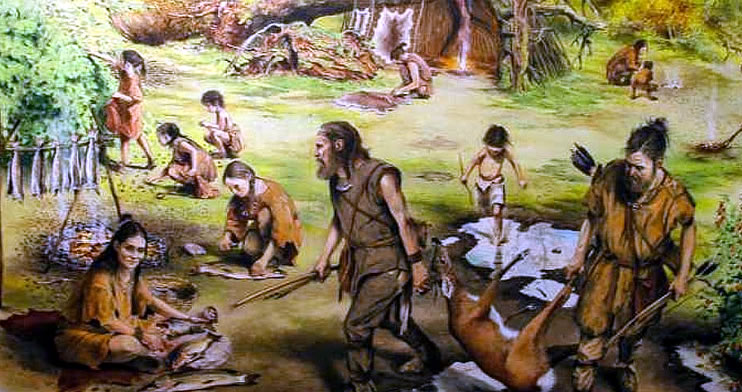
- End of the Würm glaciation; transition from the Paleolithic to the Mesolithic.
- Younger Dryas cold period, probably caused by melting ice sheets; very rapid rise in temperatures after 9600 BCE
10,500 BCE
- Earliest domesticated cereals: rye in Syria: wheat and barley by 8000 BCE
9500-8000 BCE
- Construction by hunter-gatherers of shrine at Göbekli Tepe, Turkey

9000 BCE
- First forms of cultivation.
- Earliest domesticated animals in West Asia
9000-7000 BCE
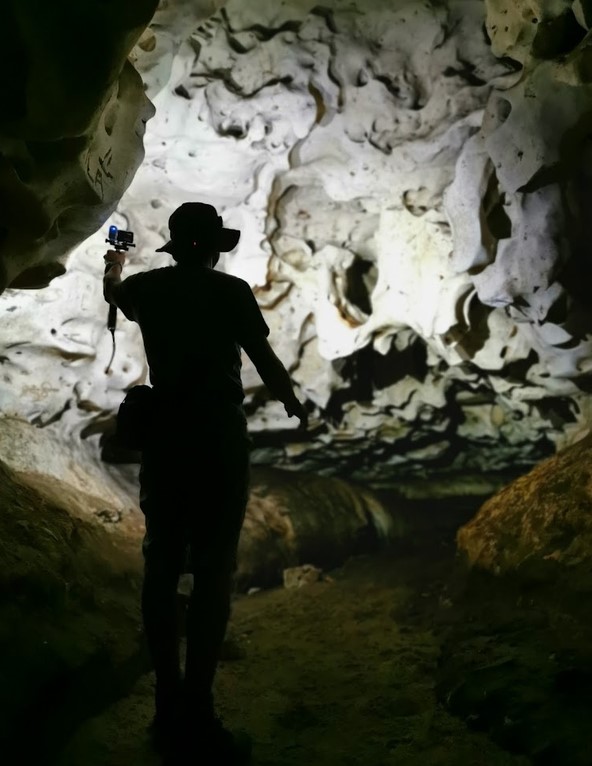
- Sites in Cyprus suggest colonization of the island and the transportation by boat of sheep, goats, cattle, and pigs
9000-3000 BCE
- Increased rainfall produces “Green Sahara”: lakes, rivers, marshes, and grasslands across North Africa
8500-7300 BCE
- Stone wall built around large village at Jericho, Israel, probably for defense against flooding, not warfare
- village Çatal Hüyük
8000 BCE
- From the Mesolithic to the Neolithic.
- Earliest agricultural villages in Yellow River valley, China, growing millet
- Squash domesticated in Mesoamerica; squash and beans domesticated in Ecuador
7000 BCE
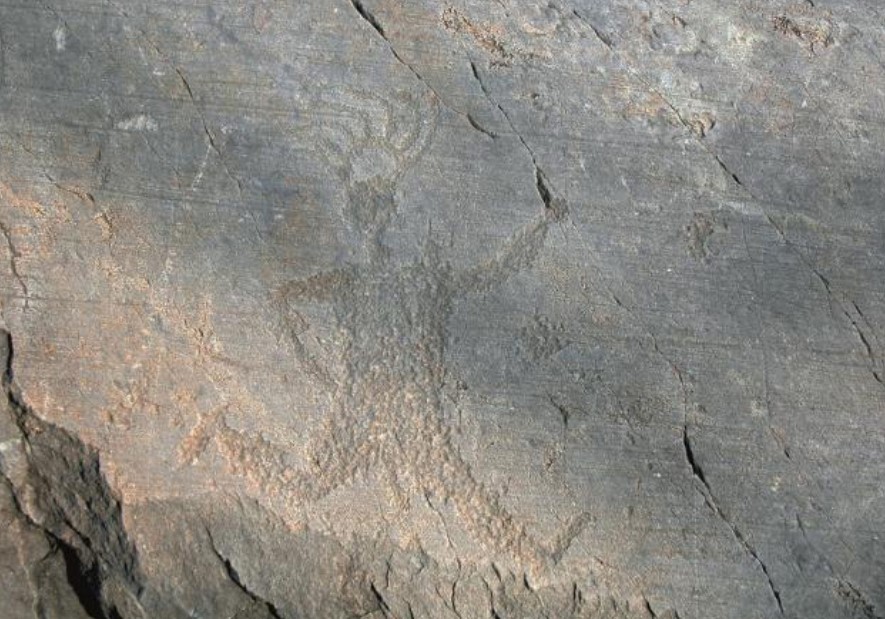
- Zebu cattle domesticated at Mehrgarh, western Pakistan, to cultivate wheat, barley, and legumes
- Cattle domesticated by hunter-fisher communities of the Green Sahara
- Banana, taro, and yam cultivated in New Guinea highlands
6500 BCE
- Simple irrigation agriculture in central Mesopotamia begins
6000 BCE
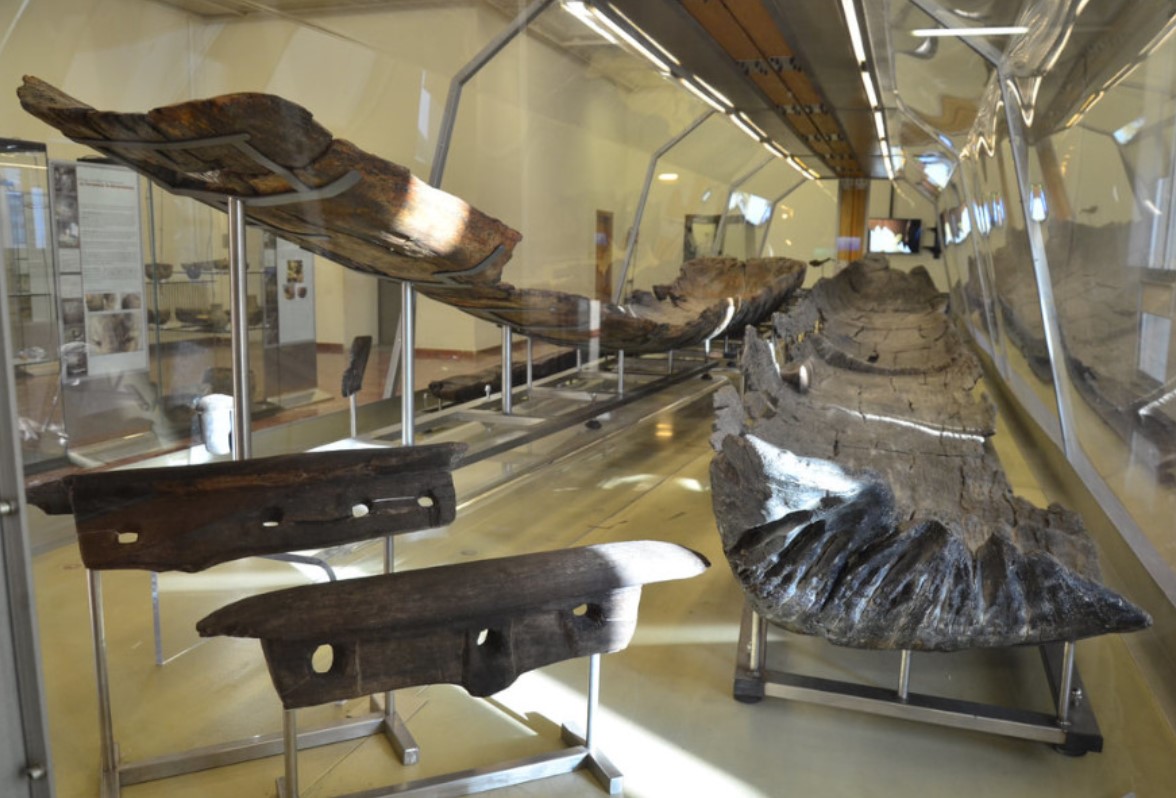
- The earliest Neolithic communities settled along the Apulian coast in Italy; they were populations not yet dedicated to agriculture
5,500 BCE
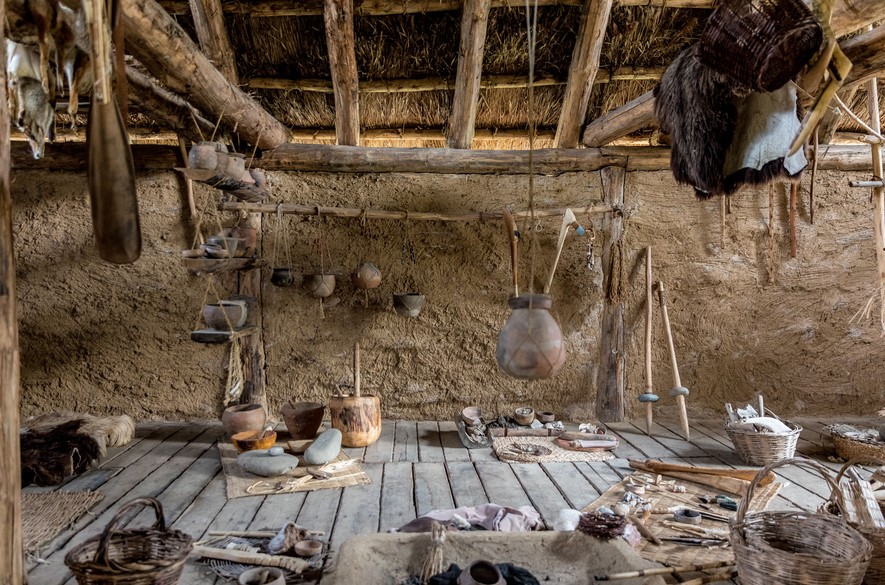
- Earliest irrigation experiments in Upper Mesopotamia; Samarra and Tell Halaf cultures.

c. 5,000 BCE
- Earliest farming villages in Europe and Italy
c. 5,000-3400 BCE
- Beginning of the Chalcolithic in the Near East
- Ubaid culture: Eridu, Ur.
3500-3000 BCE
- Uruk period; early Bronze Age in the Near East.

3200-3000 BCE
- From the Chalcolithic to the Bronze Age in the Near East.
3200-2600 BCE
- Early Indus period — towns and regional cultures in Indus Valley