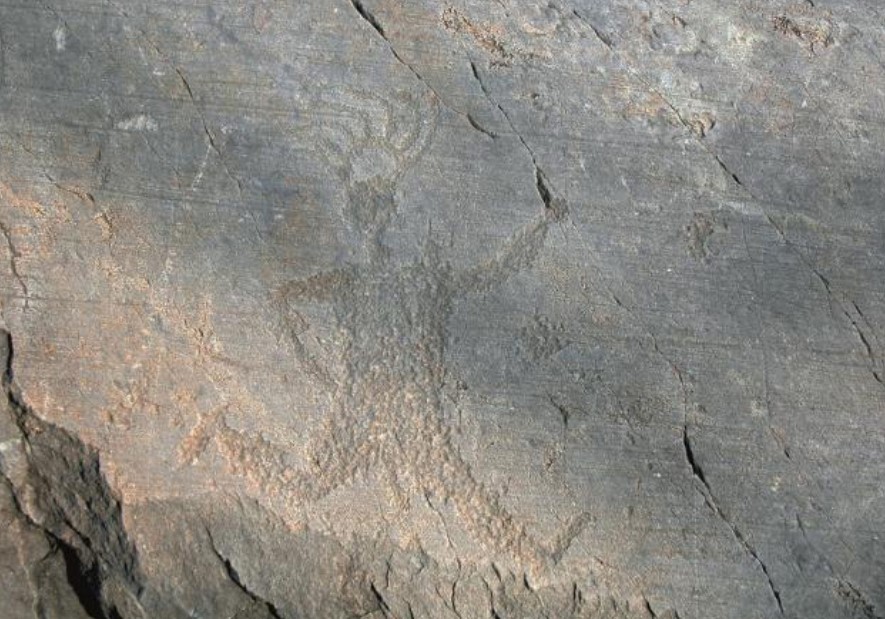
Who carved the rocks of Valcamonica?
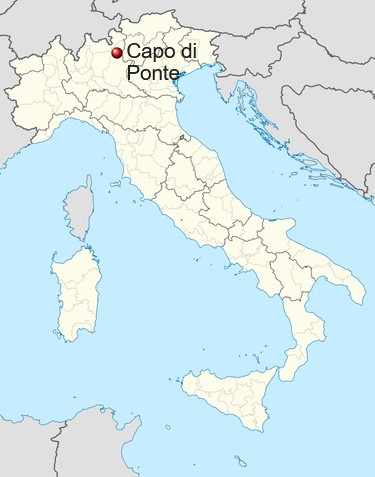
Among the myths of European folklore, those linked to the Alpine world are probably the least known to the general public. We are very familiar with those of the Greco-Roman classical world, but less so with those of the pre-Roman era. Some of them, however, are interesting for understanding very ancient rituals, widespread since prehistoric times, which in some cases have been passed down to the present day. This is the case, for example, of the myth of the Aquane, mythological beings whose cult is perhaps at the basis of the prehistoric rock art typical of Valcamonica, a valley in the central Alps in eastern Lombardy.
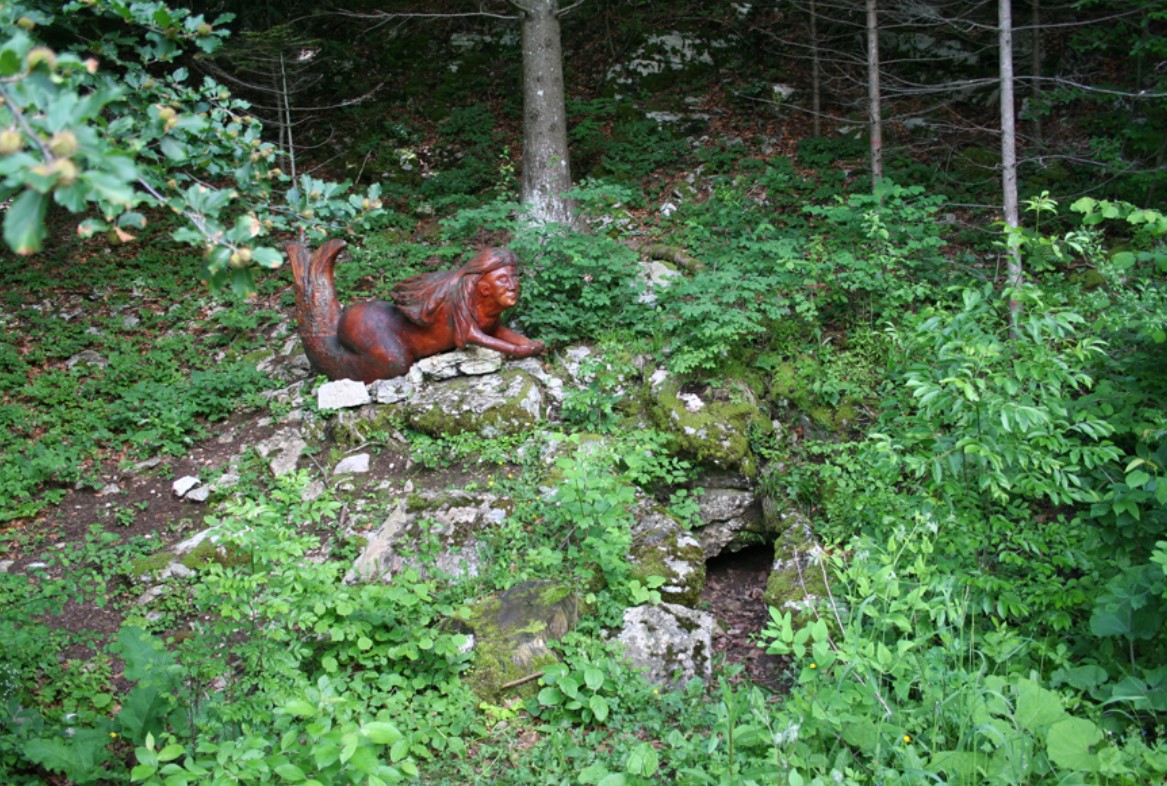
The Anguane (or Aquane) in Alpine mythology were legendary water creatures: nymphs or spirits of rivers, springs, and caves. They are described as beautiful women, protectors of the waters and custodians of nature. Typically three in number, with long blond hair. Mysterious creatures linked to water, they live in rocky hollows, spending their time spinning. Sometimes benevolent and sometimes less so, they rarely show themselves to humans.
The term almost certainly derives from the Latin aqua (water), and this perfectly explains the place-name Contrada Aquane, which appeared on a nineteenth-century cadastral map and probably harks back to the legends of the Alpine tradition. Indeed, historical cartographic nodes often took their names from local stories used by inhabitants to identify a place (e.g., "the witches' wood," "the valley of the aquane").
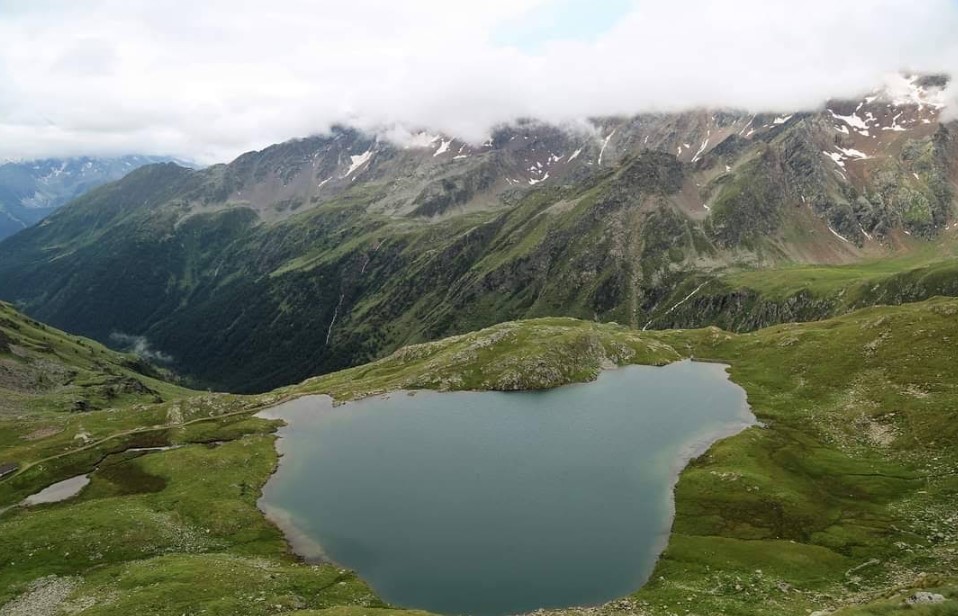
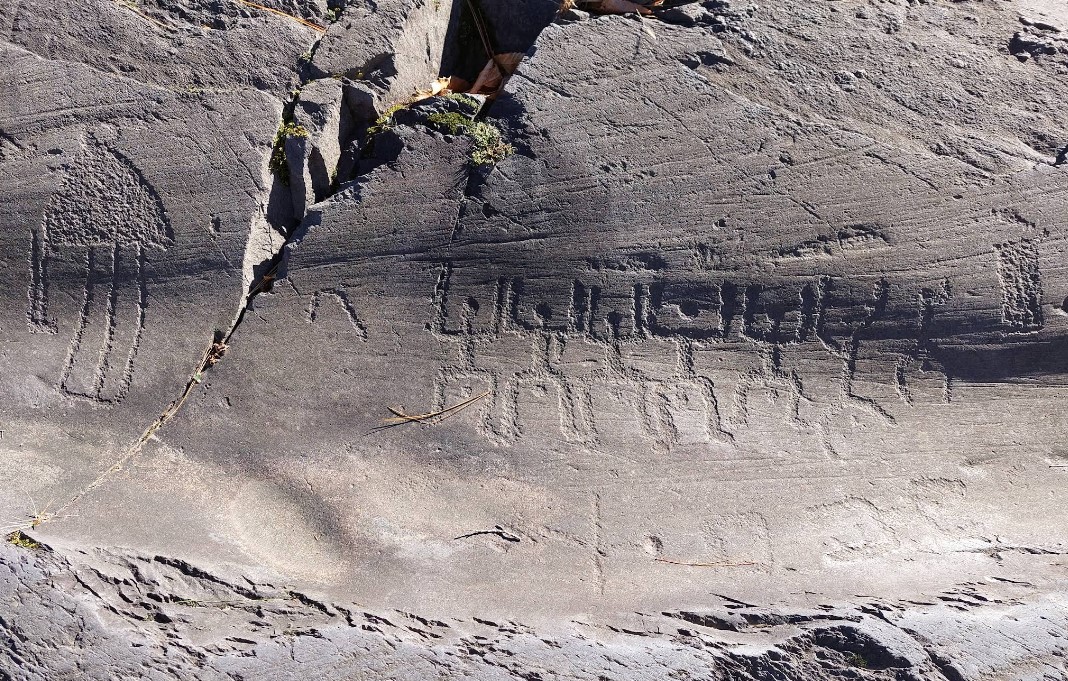
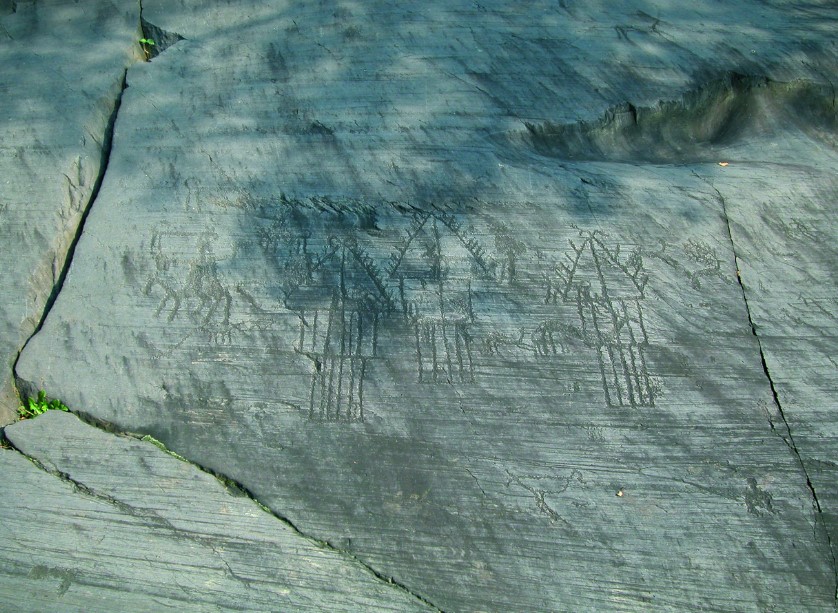
Valcamonica, the land of the legendary Aquane, takes its name from the ancient neolithic people who inhabited it in pre-Roman times, the Camunni, and is known worldwide for its impressive number of rock engravings, so much so that in 1979 it became a UNESCO World Heritage site. Rock art is documented on about 2,000 rocks in over 180 localities across 24 municipalities, with over 300,000 figures, not counting new discoveries.
The oldest engravings date back to the end of the Paleolithic and the end of the Würm glaciation, about 12,000 years ago, while the most recent are from the medieval period.
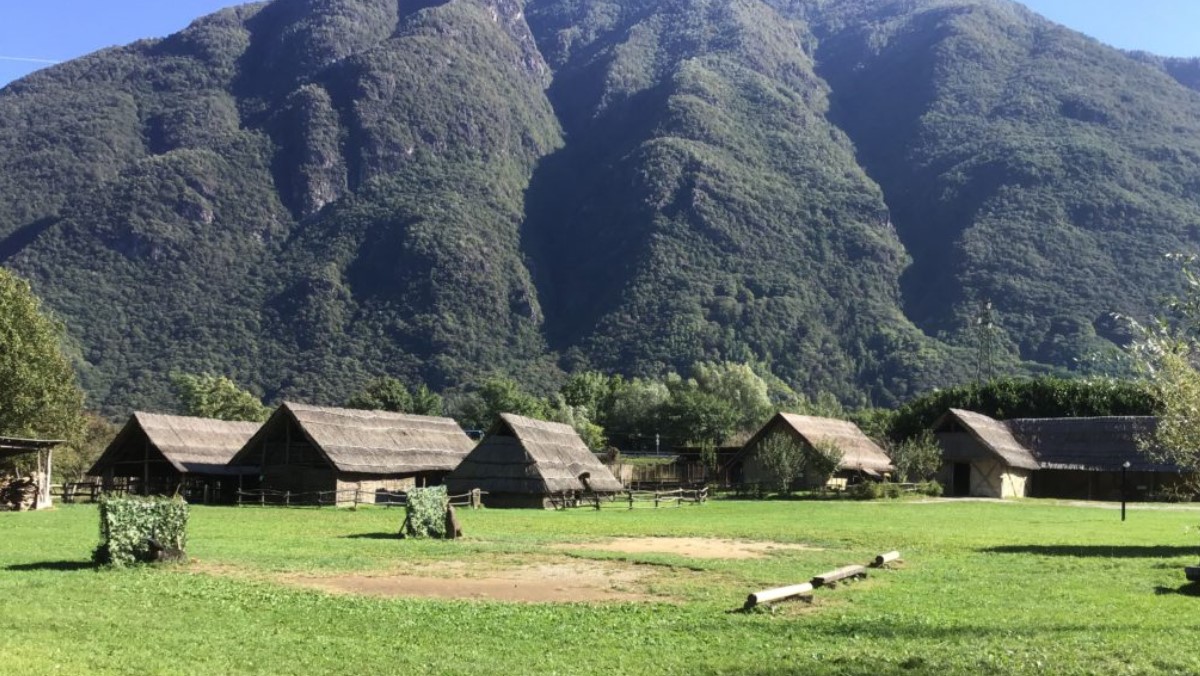
The ancient Camuni were very ingenious people; they used flint to make arrowheads and spear points and to start fires. Thanks to the images present in the rock engravings, it has been discovered that they were able to use the loom.
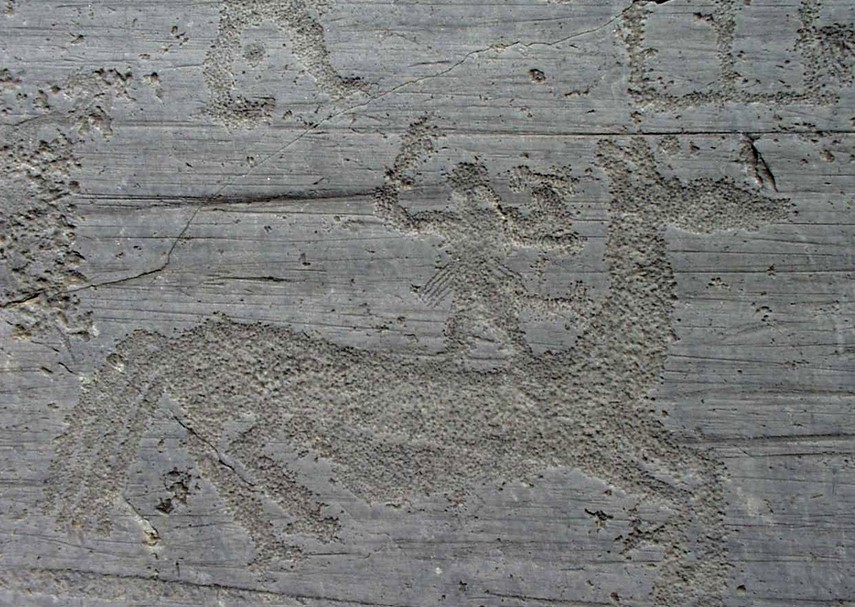
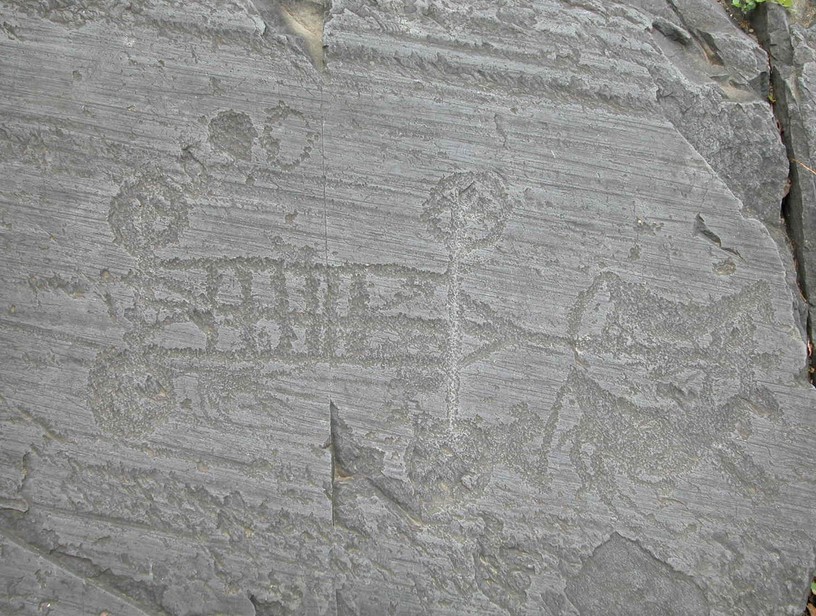
On the broad, smoothed and glacially polished surfaces of the gray-purple Permian sandstone (Verrucano Lombardo), the ancient inhabitants of the valley carved images, both real and symbolic, drawn from their daily life and their spiritual world. The engravings were made by pecking the surface with a stone hammer (hammering technique) or, more rarely, by incising it with a sharp-pointed tool (filiform incisions). The latter are now more easily identifiable thanks to refined surveying techniques.
Broadly speaking, it can be said that the Neolithic engravings feature schematic depictions; those of the Copper and Bronze Ages are more articulated symbolic compositions; while those of the Iron Age are narrative scenes characterized by a dynamic and descriptive style. With the arrival of the Romans, the "classic" Camunian artistic cycle can be considered concluded, to be resumed by sporadic medieval attestations in the so-called post-Camunian period.