What makes Patrizi cave a site of interest not just for speleology, but also for history, medicine, and legend?
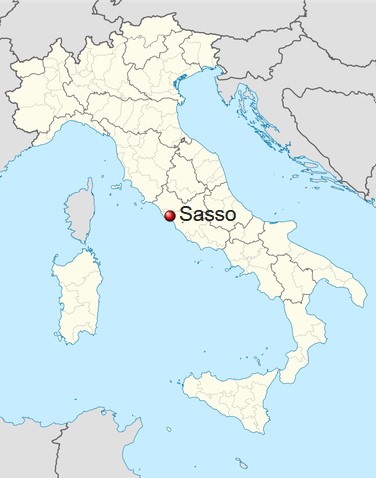
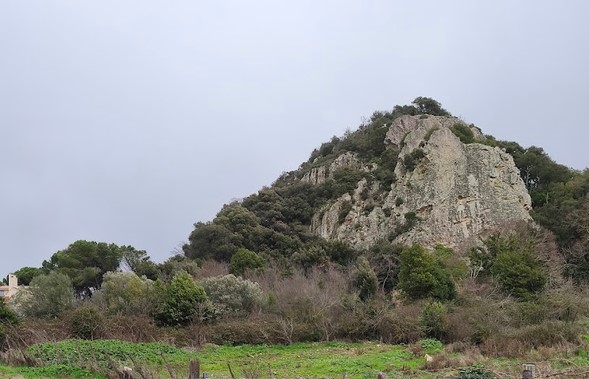
Grotta Patrizi is a karst cave that opens on the slopes of Monte delle Fate (Mount of Fairies), near Castello del Sasso (Castle of Stone) in Furbara (Cerveteri, about 40 km from Rome). The area is easily reachable both from the coast and from Lake Bracciano. The cave takes its name from its discoverer and landowner, Marquis Saverio Patrizi Naro Montoro, a well-known speleology enthusiast.
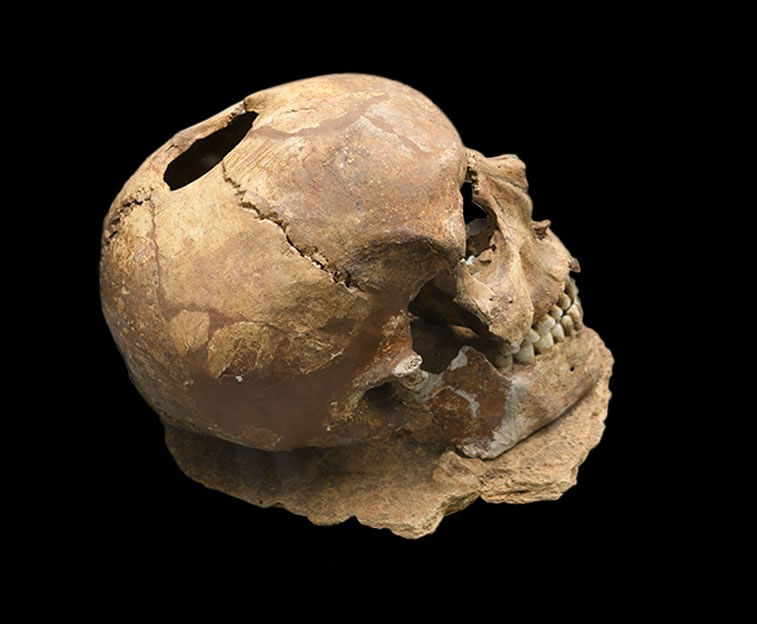
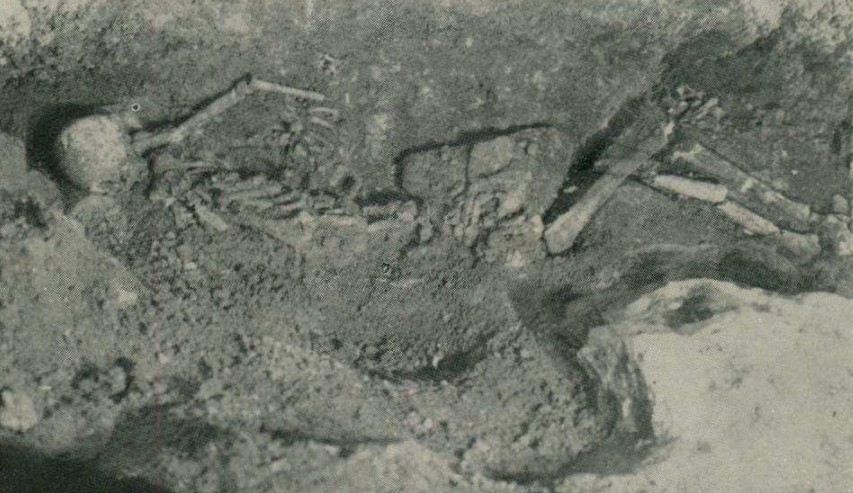
The entrance was discovered by him in 1932, when a flood caused a sinkhole to open up. In 1933, after work to widen the entrance shaft, it became possible to begin exploring the cave. Between 1949 and 1954, excavation works were carried out that yielded Neolithic burials of several individuals, including a man over thirty years old showing signs of two cranial trepanation procedures performed while he was still alive. Previously, we saw how Homo sapiens 14,000 years ago cared for individuals with severe congenital malformations or those who had survived major physical trauma—but never for anyone who had undergone surgery. To date, this is considered the earliest evidence of this type of surgery in Italy.
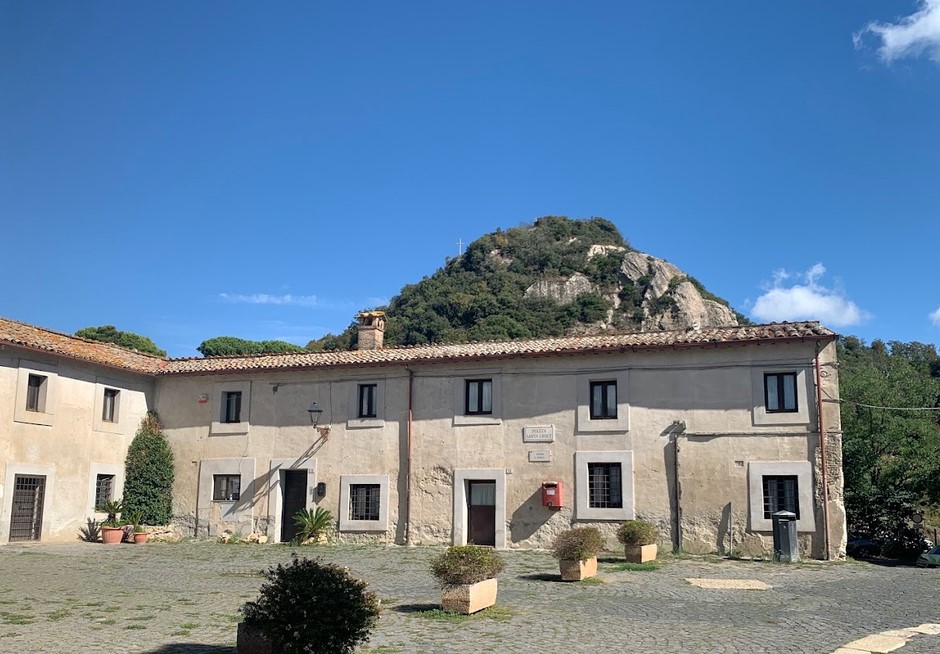
The site of the discovery: Sasso di Furbara
The small village of Castel del Sasso, or simply Sasso, takes its name from the imposing trachytic rock that looms over the settlement, at the foot of the vast Monte Santo formation.
This area has been inhabited since the Holocene. The division of the Quaternary into periods is based on planetary-scale events. Here, the Quaternary is of interest as the era of the bio-cultural evolution of tool-making hominids. This era is divided into two parts of very different durations: the Pleistocene and the Holocene. The Pleistocene lasted about 3 million years and includes the major known glacial periods, separated by interglacial phases. The names Gunz, Mindel, Riss, and Wurm designate the four classic glacial reference periods of the Alpine region. The Holocene, or post-glacial period, covers the last 10,000 years; and it is precisely during this time – in the Middle Neolithic (c. 5500-4700 BCE) – that human interest in Castel del Sasso reaches its peak.
This phase of prehistory is characterized by the establishment of settled communities. A fundamental cause of this change was the shift in diet. While a predominantly carnivorous diet required long hunting trips, the introduction of agriculture allowed for the creation of the first villages. Crops included barley, emmer wheat, einkorn wheat, common wheat, and possibly durum wheat as well. Various legumes, such as lentils, peas, and chickling vetch, could be eaten as they were or used to make flours, often mixed with cereal flours and pieces of meat. Flax was grown for spinning or for extracting oil from its seeds. Opium poppies were also present; their seeds provided nourishment and oil, while their latex was used for medicinal or hallucinogenic purposes, possibly linked to cult practices.
The transition from the Stone Age to the age of metalworking gave a great impetus to the transformation of the territory. The presence of copper and tin allowed the populations of the time to create the first known alloy: bronze. This stimulus led to the establishment of important villages. The presence of chipped flint, which is not native to the area, indicates the arrival of populations from the north.
The vast area encompassing Sasso and Monte Santo was the site of a large village from the Final Bronze Age and the Early Iron Age (12th–8th centuries BCE), with burials scattered all around, though these have, as usual, been looted for profit. Typically, the Villanovan necropolises in the area (datable to between 750 and 700 BCE) featured inhumation in pits with single depositions. Rarely, double burials occur, as do cases of cremation in large shaft tombs. The graves had an east-west orientation, were deep, and were filled with stones and topped with stone markers on the surface. Burial practices generally involved placing the deceased in a supine position on a wooden base (bark or a hollowed-out tree trunk), with stones placed side by side around the body, a larger stone near the skull, and a smaller one at the opposite end. Funerary goods include sparse pottery and often feature a spindle whorl or a small pot with a few fibulae near the skull, a pair of fibulae with suspension rings attached at the shoulders, some small fibulae along the body, a few glass-paste beads on the chest, and a bronze ring by the foot. In richer tombs, additional items appear, often made of precious materials, such as gold or silver earrings, amber scarabs, faience and ivory objects, or a plano-convex rock crystal, perfectly ground and highly transparent, with undeniable optical effects of magnification and light concentration.
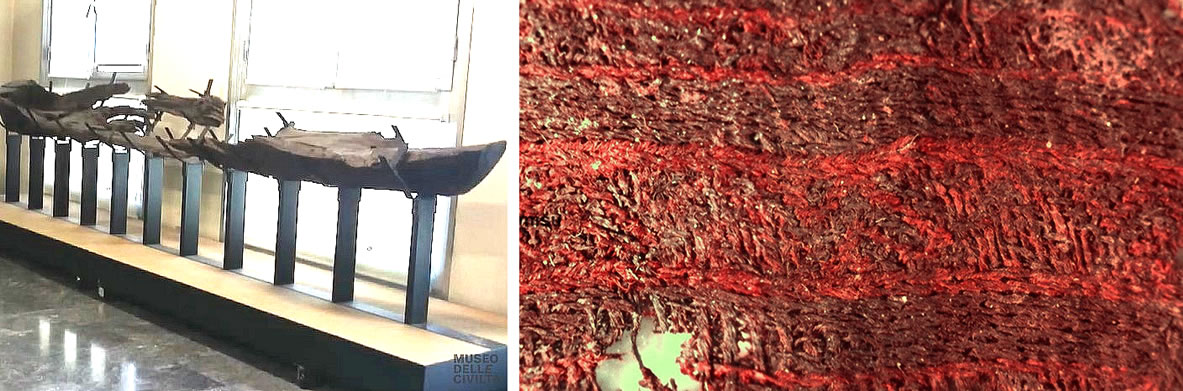
Among the Early Iron Age tombs at Monte Sughereto, one burial stands out as highly unusual: a rectangular pit, marked on the surface by a large slab of palombino stone, containing not human remains but an interred dugout canoe about 3 meters long, carved from an oak trunk. As in the rest of the necropolis, it was filled with stones around, inside, and above the boat, suggesting a deposition in memory of a prominent figure from the village, perhaps one who had perished at sea.
Unfortunately, this was a chance find during the expansion of the caretaker's house. Initially mistaken for an old feeding trough and considered an obstacle to the work, the boat, which had remained intact for centuries, was broken into pieces. Layers of fabric lay on the bottom, and they met the same fate as the vessel. Upon hearing the news, Marquis Saverio Patrizi, an archaeology enthusiast and promoter of the necropolis excavations, attempted to recover as much of the wooden material and the scattered fabric fragments from the surrounding soil as possible.
These fragments, though small, constitute one of the most significant corpora of Iron Age textiles known in Italy, both for their variety and the quality of their workmanship – from wool preparation and spinning to complex weaving patterns. Various types of plain weave and twill have been found, including diamond twills, but above all, the variety and complexity of the tablet-woven edges stand out. Moreover, having avoided mineralization over time, the fragments still retain intact pigments whose colors, at the time of discovery, were described by the fortuitous finder as "a strong green, a wine red, and another dark hue."
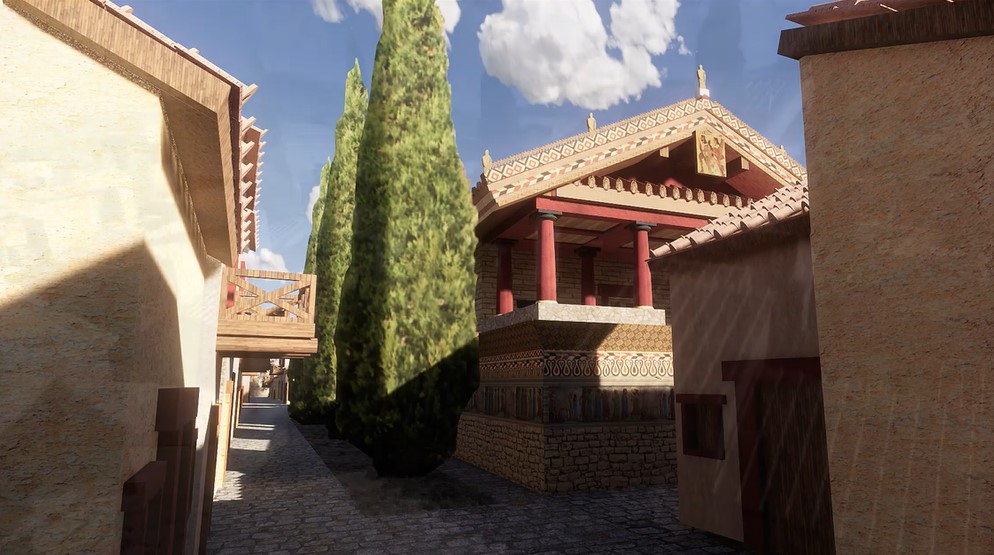
In the 8th century BCE, the area was dotted with small settlements, similar to the rest of the Tyrrhenian coastal belt. With the rise of Caere (Cerveteri) during the 7th century BCE, the territory fell within the cultural orbit of this major Etruscan center. Easy inland routes made it possible to reach the Tiber Valley, controlled by Veii.
Although literary sources are lacking, finds and reports attest to the presence of the Etruscans in the 6th century BCE (tombs and traces of settlements in various localities of the area) and a small rural sanctuary datable between the last decades of the 6th and the first half of the 5th century BCE.
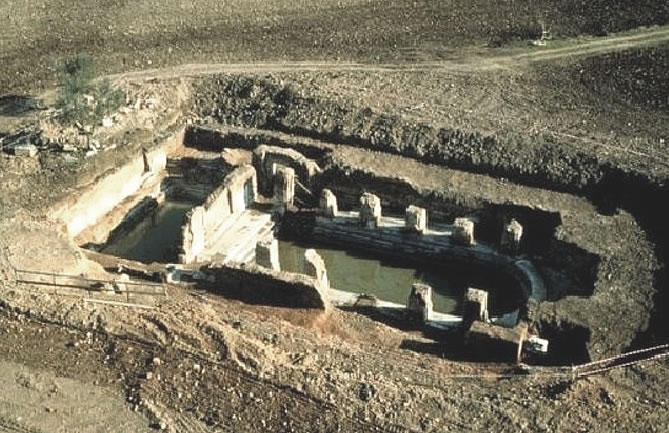
Numerous testimonies survive from the Roman era, mainly relating to thermal baths, thanks to the area's wealth of homothermal waters (with temperatures ranging between 30–40°C) and the presence of cold, oligomineral springs. The most famous complex is the Aquae Calidae Caeretanae, covering an area of about 7 hectares, datable from the early Imperial period to the end of the 3rd century CE.
Between the 13th and 14th centuries, perhaps to escape malaria and pirate raids, the old castle was abandoned and rebuilt as a fortified village in its current location. From the 12th to the 16th century, Sasso, which included a large agricultural estate, changed hands many times until 1552, when it was purchased by the Sienese nobleman Giovanni Patrizi.
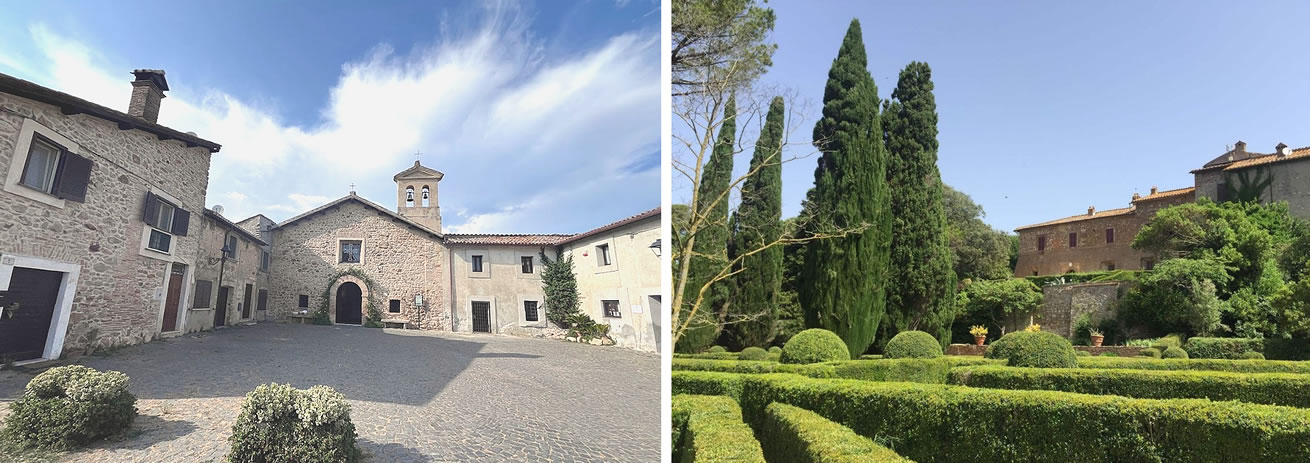
This family boasts many illustrious figures: four Blesseds, Bishops, Cardinals, Men of Letters, Politicians, Philosophers, and Biblical Exegetes. Marquis Giovanni Patrizi, a staunch opponent of Napoleon, was Senator of Rome (Governor) from 1815 to 1818. Finally, Marquis Saverio Patrizi Naro Montoro, naturalist and versatile scientist, speleologist, African explorer, and father of the current owners. The Church of Santa Croce houses a relic of the Cross of Christ and a fresco on the high altar depicting the Blesseds Patrizio and Antonio Patrizi, who lived between the 12th and 16th centuries. Today, the castle serves as a venue for events and weddings, still managed by the Patrizi family.
Grotta Patrizi
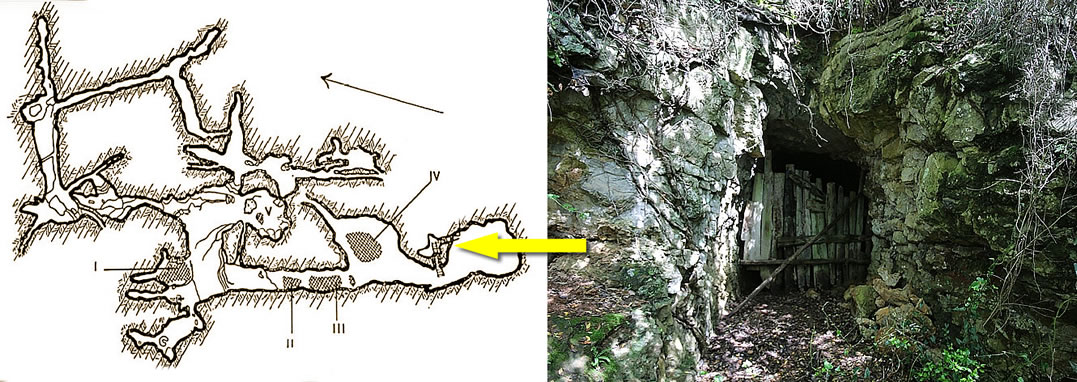
In the cave, the remains of 7 burials were found, laid out in a supine or fetal position, along with various grave goods, including Incised Line Pottery, bones, and chipped flint tools, allowing the burials to be dated to the Middle Neolithic (c. 5500-4700 BCE). The most significant finds were in the main gallery, in an excavation about 5 meters long where the remains were discovered:
• An adult individual. These were placed on a strongly dark-colored soil layer, 7–10 cm thick, representing the floor on which Neolithic people walked. The burial had been disturbed by slippage on an inclined plane and by water runoff: the skull, split in half, had one part near the femur, while the other, with the jaw, was near the humerus.
• A very young individual. Scant scattered remains, so much so that it was impossible to determine whether the association with the adult was due to a double burial or whether the young individual's bones came from another grave.
To determine whether the cave was used not only for burials but also as a dwelling, further excavations were carried out in the first hall, where no animal bones or food remains were found. It can therefore be deduced that this cave was used exclusively for funerary purposes, and the hearth testifies that fire was lit during one of the many funerary rites, perhaps accompanied by some form of banquet, since near the beginning of the landslide, about a hundred bones of Sus scrofa ferox showing traces of exposure to fire were collected.
In the back chamber was the burial of:
• An inhumed individual placed on a layer of 25–30 cm of red mixed soil, which also contained his rich grave goods to accompany him in the afterlife. This burial was distinguished from the others by the intentional breaking of the cavity. In it, a stone quern was also found, probably placed there to indicate the importance of the person. In the corner formed by the East and North walls, which due to a rock protrusion forms a kind of ledge, two broken jar-shaped vessels, bones with ornamental motifs, flint blades, two ladles turned upward, and an undecorated jar with an ellipsoidal opening were found.
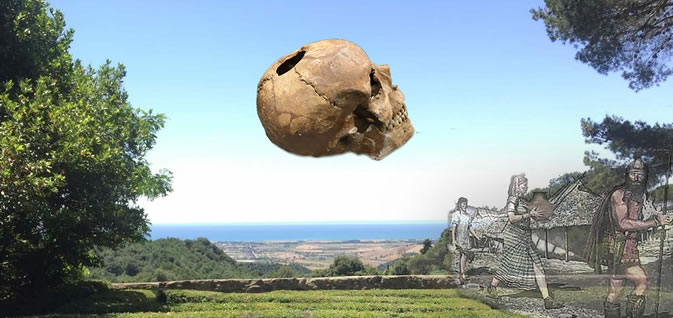
• An inhumed individual along the East wall. The body was found lying on its right side, in a slightly flexed position, pressed against the rock wall and delimited by a small semicircular wall of stones, occupying an area of about 3 sqm. It was surrounded by a rich funerary assemblage of pottery, bones, and stones. The position on the right side, unusual in the Italian Neolithic, was likely due to the ritual of orienting the deceased toward the rising sun (East wall), with the head facing the cave entrance, which is to the south.
The presence of a bone pin at chest level suggests that the deceased was clothed in a garment. The feet rested on two stones placed as a closure. Several vessels were deposited around the body, and a bowl was placed near the hands. Small stones and three hare bones were placed under the skull. The burial bed also yielded lumps of red pigment (cinnabar).
Near the skull, the wall recedes to form a recess where a stone, perhaps intentionally placed, protected the head, which bore, among other things, the mark of a large trepanation.
Trepanation consists of removing a piece of the skull for therapeutic, ritual, or magical purposes. The individual buried in Grotta Patrizi underwent two interventions on the upper part of the skull. The opening produced by the first operation shows signs of bone regeneration, indicating that the individual survived for several months. A further intervention produced linear and parallel grooves that did not heal, suggesting the patient died during or immediately after the operation.
Cranial trepanation is the oldest surgical procedure attested by paleopathological evidence. The earliest known case dates to the Final Upper Paleolithic in Morocco; the practice then spread widely during the Neolithic and persisted in Europe until the Middle Ages. These are procedures unthinkable today, yet many survived them: even among Homo sapiens living 10,000 years ago, cranial perforation was often used as a treatment. This is the case of a man who lived about 7,000 years ago, buried in Ensisheim, Alsace (France): the hole made in his forehead was larger than an egg, but it healed. Or, as recently discovered remains testify, of two noble brothers from the Bronze Age, who lived in Israel 1,500 years before Christ: they suffered from a chronic illness, but thanks to their status, both underwent cranial surgeries to which they survived for many years.
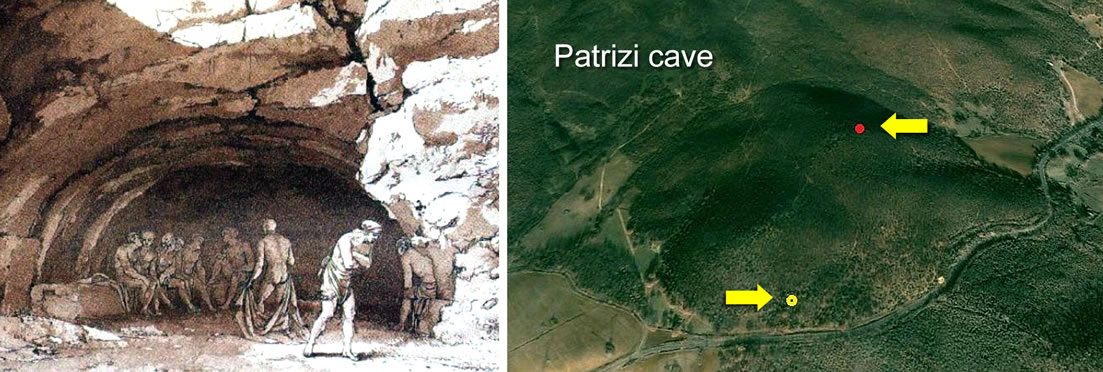
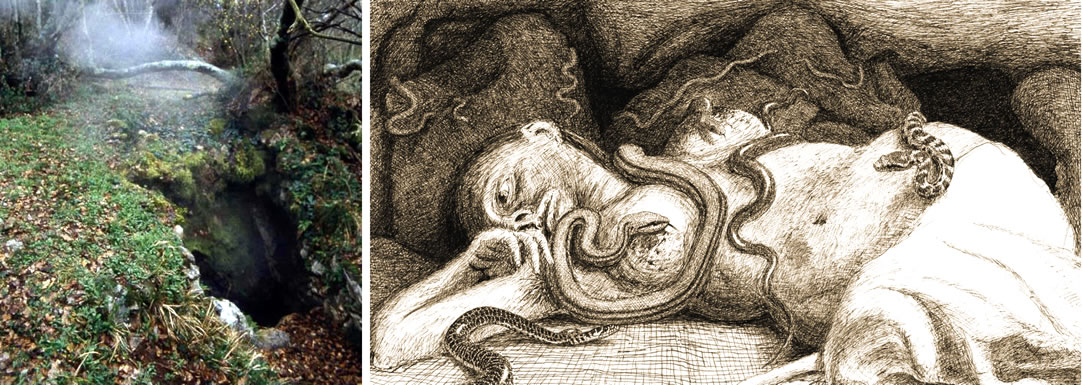
Geologically, the cave is characterized by a flow of warm air from the subsoil, which ensures a constant microclimate throughout all seasons, making it an ideal winter resting place for reptiles. Indeed, the cave, forgotten during medieval times, is mentioned in the Vatican Gallery of Maps under its second entrance, with the name Grotta dei Serpenti (Cave of the Snakes).
It is said that during the 17th century, this cavity was used both as a natural sauna and for a peculiar therapeutic practice: if a person was ill, they would be lowered inside to be enveloped and healed by the snakes.
These good-natured snakes heal the sick; they emerge from their tunnels and lick the sweat, drying the skin of the patients: «similarly to dew or honey vapor, they restore unhealthy humors and dissolve knotty gout, for which doctors waste their lye and soap.
Visits by numerous scholars testify that these therapeutic practices continued throughout the 17th century; later, skepticism prevailed, popular tradition was ridiculed, and the practices died out.