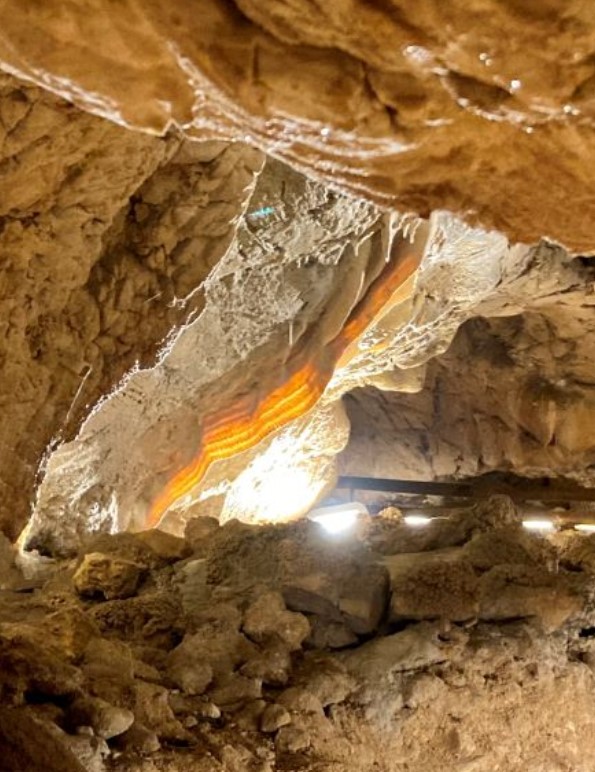
Were Neanderthals Hunters or the Hunted?
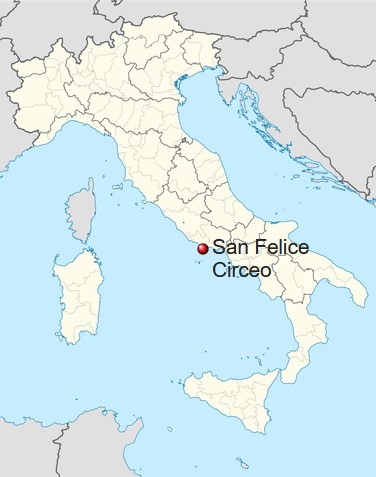
Homo neanderthalensis
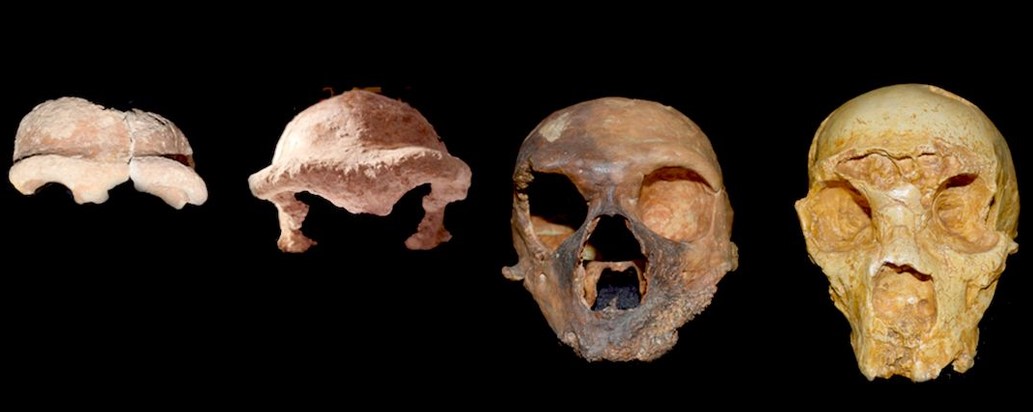
Neanderthals were hominids who lived in the Mediterranean area and Asia Minor over a time span ranging from 100,000 to 35,000 years ago. In Rome, for instance, they were already present 120,000 years ago, but their presence is attested at many other sites in Lazio, alongside that of other species such as Homo heidelbergensis (dated to about 300,000 years ago and known as the Ceprano Man) or Homo sapiens.
Homo neanderthalensis is closely related to Homo sapiens and lived during the Middle Paleolithic period, between approximately 200,000 and 30,000 years ago. It takes its name from the Neander Valley (Neandertal in German) near Düsseldorf, Germany, where the first fossil remains were discovered. Neanderthals were short in stature, with an average cranial capacity of 1,400 cm³—slightly larger than that of modern humans—and they were capable of speech. They possessed advanced lithic technologies, were hunters and gatherers, had deep knowledge of their territory, and were skilled at exploiting resources, supplementing their diet with plant-based foods. Their social behavior was fairly advanced, comparable to that of Homo sapiens from various Paleolithic periods. They coexisted with Homo sapiens during the final phase of their existence but disappeared in a relatively short time—an event that remains a scientific enigma and is still actively studied today.
They exhibited a complexity of reasoning linked to survival; they buried their dead, and for this reason their remains are often found fossilized.
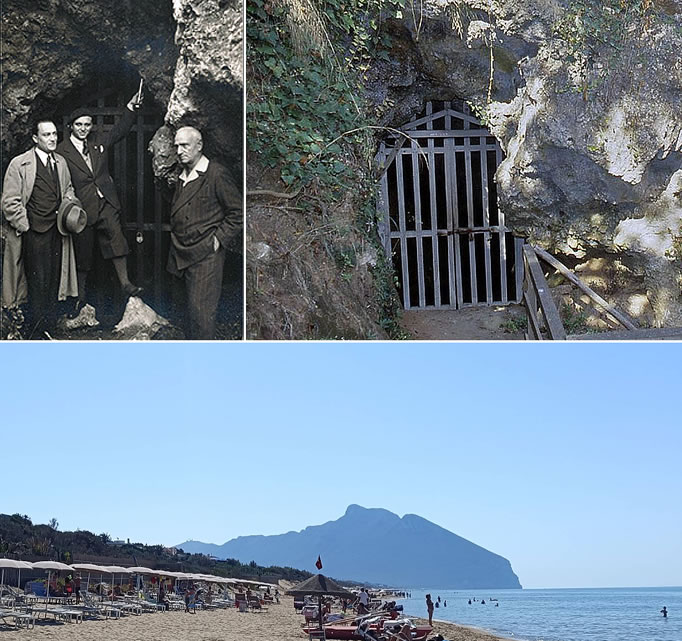
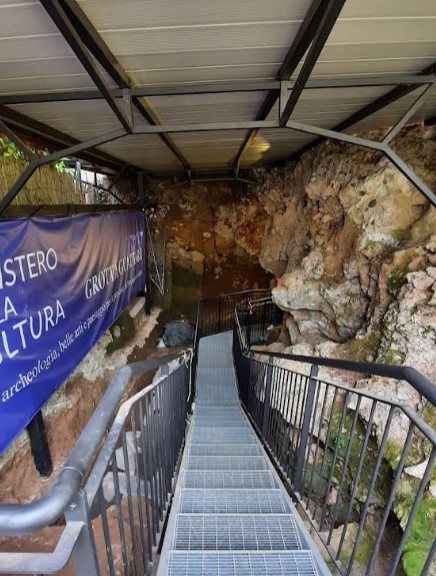
Guattari Cave
The Circeo coast, unlike the area near Rome, is characterized by limestone cliffs and about a hundred caves stretching as far as Terracina, which overlook the sea 5–7 meters above the current sea level. These caves are famous for having provided shelter to Neanderthal man.
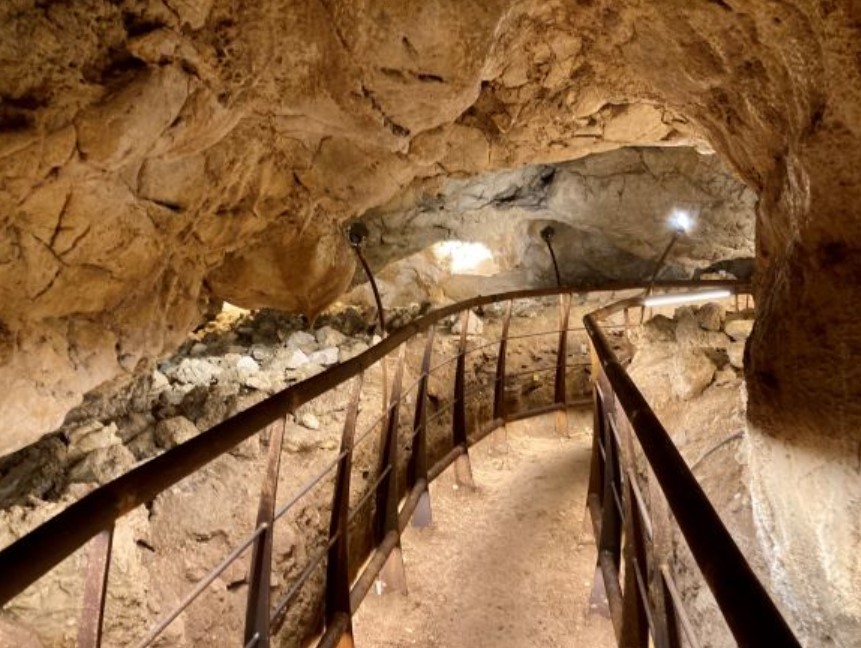
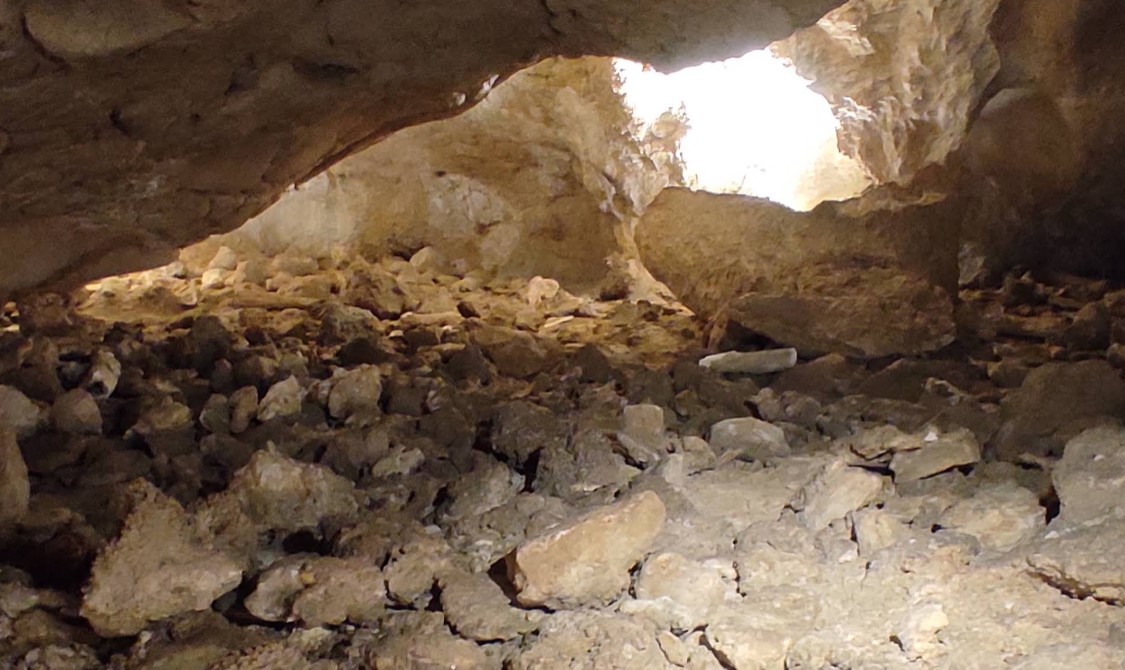
At San Felice Circeo, on the eastern side of the promontory—where the ancients believed the mythical sorceress Circe dwelt, luring wayfarers into her luxurious home nestled in the greenery of the headland only to transform them into fierce beasts with her potions—stood the villa of Cavaliere Alessandro Guattari, just a few meters from the harbor in the early 1930s. In 1935, he obtained permission to expand his residence for the construction of the Guattari hotel. Four years later, a group of workers tasked with quarrying some stones by the landowner (Guattari) accidentally discovered a cave whose entrance had remained blocked and concealed by an ancient landslide. The collapse of rocky material had sealed this treasure trove, and so today, visiting it allows us to undertake a true journey through time, thanks to its conditions remaining substantially unchanged from 60,000 years ago.
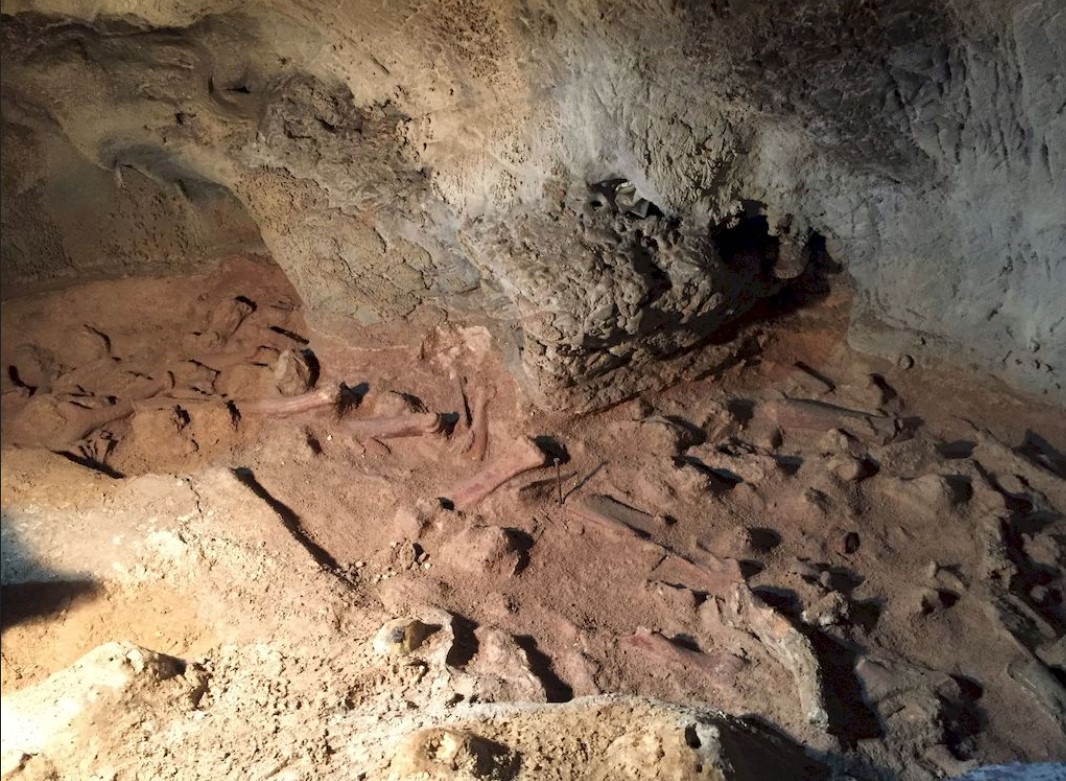
While a worker was digging at the base of a rocky ridge, a narrow passageway came to light, through which one could crawl on the ground to access the cave's chambers. Guattari was the first to explore the cavity: by the faint light of a candle, he entered and saw the cave floor literally covered with bones and stones encrusted with calcareous deposits. The following morning, equipped with an electric torch and accompanied by some workers, Guattari continued his exploration of the cave, discovering in a side chamber (the "Antro dell'Uomo," or Man's Den) a perfectly preserved Neanderthal skull lying almost at the center of the chamber, toward the back, along with splintered bones of Cervids, Suids, and Equids, among some stones arranged in a circle.
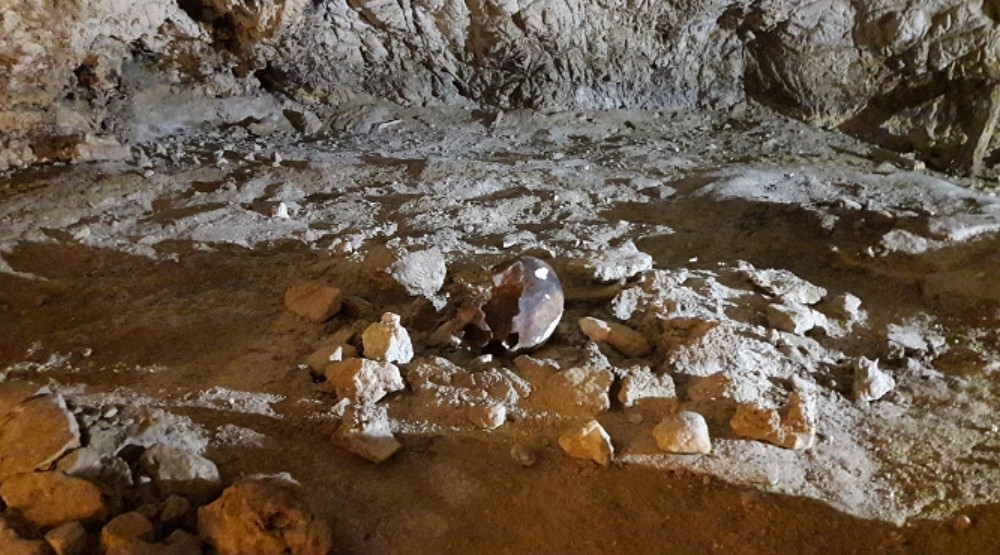
It was hypothesized that the placement was not accidental but rather the result of a ritual cerebrophagy ceremony, also due to the skull's characteristics. This is the description given at the time by the anthropologist Sergio Sergi:
At the base, a large loss of the occipital bone creates a trapezoidal opening that appears to have been artificially created at the time of death to extract the brain. The shape and extent of the fracture are very similar to those found in Melanesian skulls preserved in the Institute of Anthropology, in which the enlargement was performed for the same purpose.
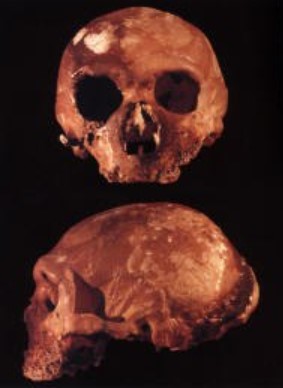
Later, other scholars, based on archaeological and taphonomic analyses, argued that the damage to the lower part of the skull was due to the action of hyenas. However, the other skulls that came to light in recent excavations also exhibit a similar opening of the occipital foramen, which appears to be a recurring pattern, rather than a chance result of hyena activity. Hyenas may have intervened at a later stage, after human action, continuing to gnaw on the bone.
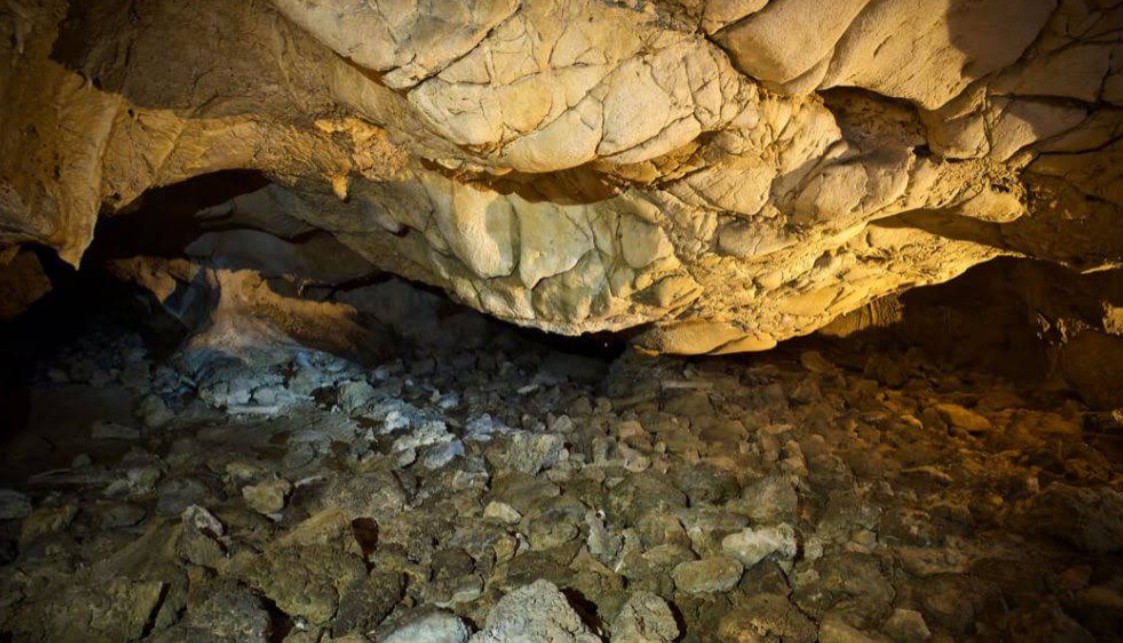
Thus, Guattari Cave was a hyena den, while the Neanderthals would never have considered it as a dwelling, as it was too dark and damp; instead, they frequented the exterior. The humans found in the den were therefore prey, dragged inside to be devoured at leisure, just like the other animal prey. The entire assemblage allows for an unprecedented anthropological study of Neanderthal man. A man who "colonized" Europe—since he was present in Germany (it is from the German Neander Valley that he takes his name), the Iberian Peninsula, England, France, and other countries—and who pushed into Asia, becoming the absolute master of Eurasia for tens of millennia.
The scholar Alberto Carlo Blanc, informed by Guattari—even though he was on his honeymoon—decided to go to the cave, sensing the scientific importance of the discovery. Blanc had the entrance to the cave sealed off and that very evening took the skull to Rome, entrusting it to the anthropologist Sergio Sergi. During a subsequent visit to the site, an employee of Guattari handed over to Blanc a Neanderthal mandible, also from the Man's Den.
Blanc and the paleontologist Luigi Cardini immediately began archaeological research both inside and outside the cave, excavating numerous trenches, but no further Neanderthal remains were discovered.
At the base of the archaeological deposit, a fossilized beach was brought to light, with rounded pebbles and shells typical of warm climates: evidence of the Tyrrhenian period, an interglacial phase dating to about 125,000 years ago, during which sea levels were higher than today and water penetrated into the cave.
In 1950, another Neanderthal mandible was recovered, but it emerged along a section outside the cave.
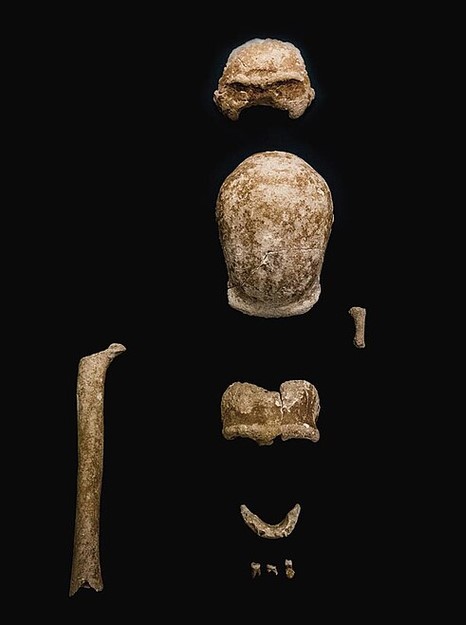
In 2019, the bones of nine Neanderthal individuals were discovered. Of these, eight date to between 50,000 and 68,000 years ago, and one to between 100,000 and 90,000 years ago. Adding these to the 1939 finds, the total number of human individuals rises to eleven. Also unearthed were bone remains of hyenas, elephants, rhinoceroses, cervids, cave bears, and aurochs—the large extinct bovine.
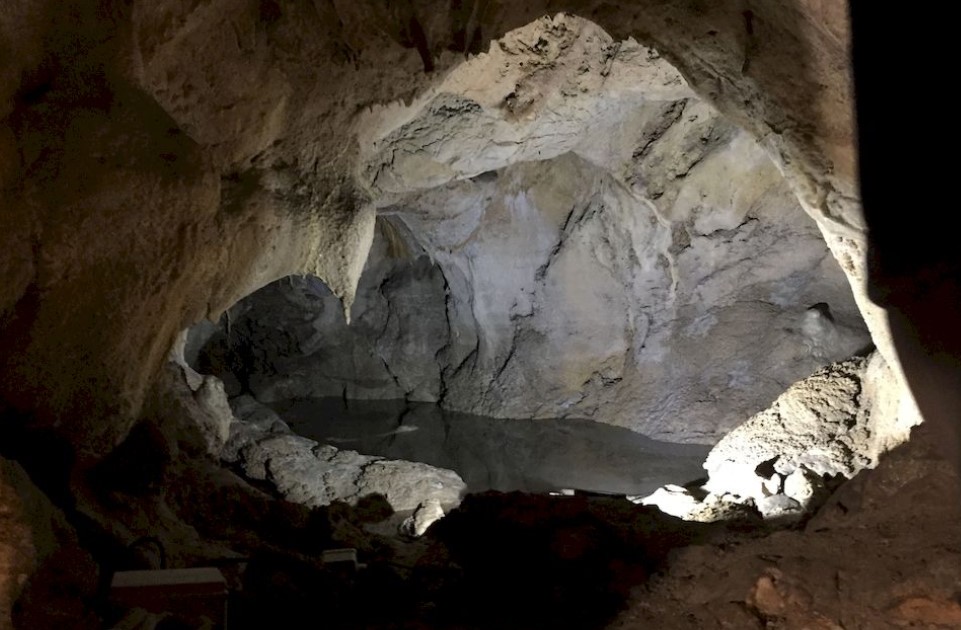
Furthermore, it was possible to excavate a portion of the cave (the Antro del Laghetto, or Small Lake Den) that had been occupied by a water basin in the last century. During the summer, taking advantage of the water's recession, excavations proceeded until reaching a floor layer covered with bones, 60–70 cm thick, which yielded the first human remains, including a mandible and a femur—the latter of exceptional interest as it shows clear signs of gnawing by hyenas.
Outside the cave—which must have had an overhanging part that later collapsed—where Neanderthal man would stop and feed on cooked hunted animals, lithic tools were found, which must have been used for scraping animal hides and cutting meat and bones to extract marrow. Also outside, a fragment of a Neanderthal foot was discovered in a layer datable to 125,000–100,000 years ago, making it older than the finds inside the cave, where the "hyena level" dates back to about 63,500 years ago.