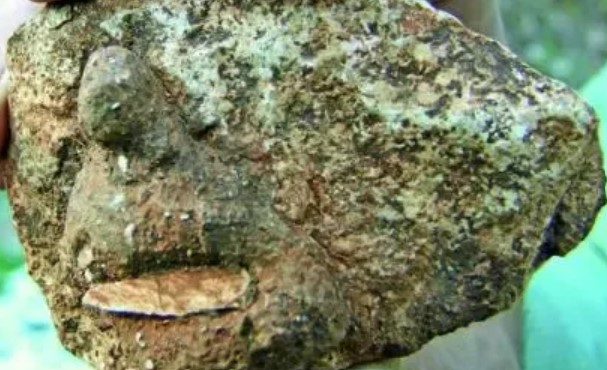
What Makes Riparo Tagliente So Important to Prehistory?
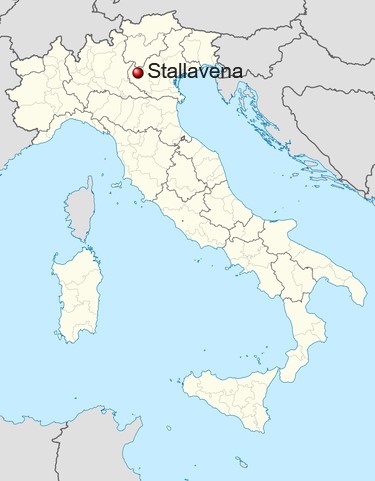
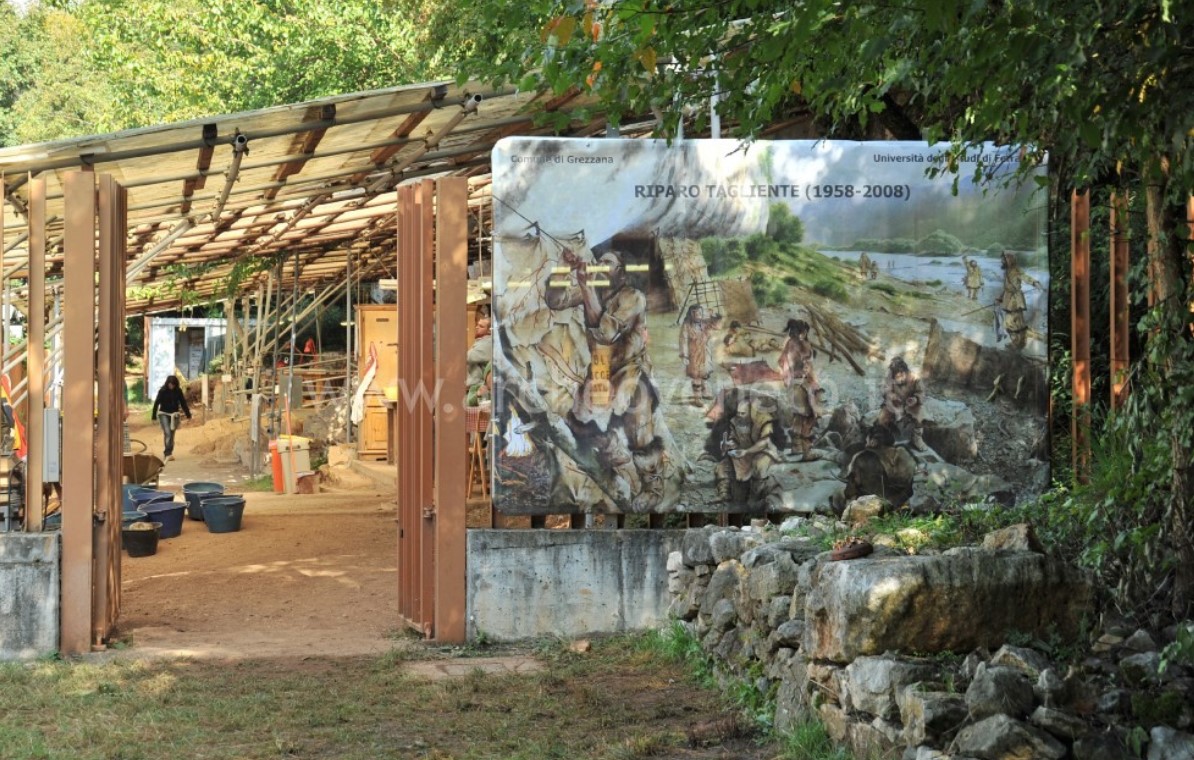
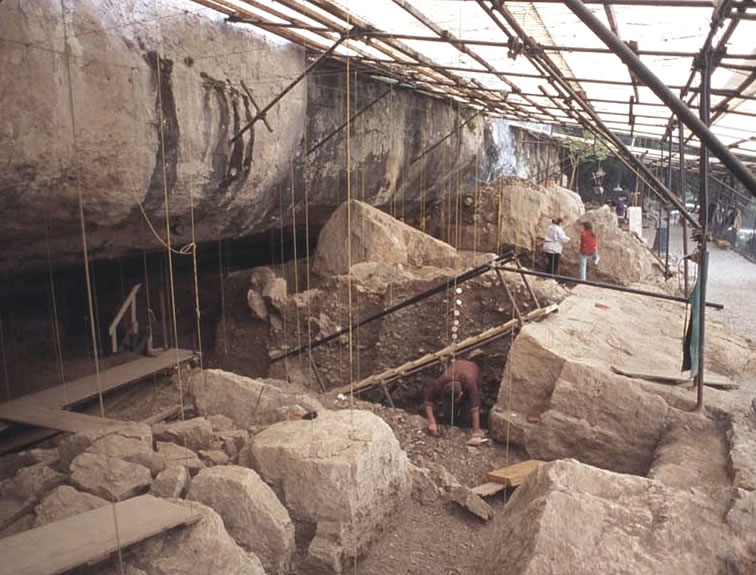
The site of Riparo Tagliente, one of the most important prehistoric sites in Europe, takes its name from its discoverer Francesco Tagliente (1958). It is located north of Verona, on the right flank of the Valpantena valley, which opens into the western foothills of the Lessini Mountains, at an elevation of approximately 250 meters above sea level.
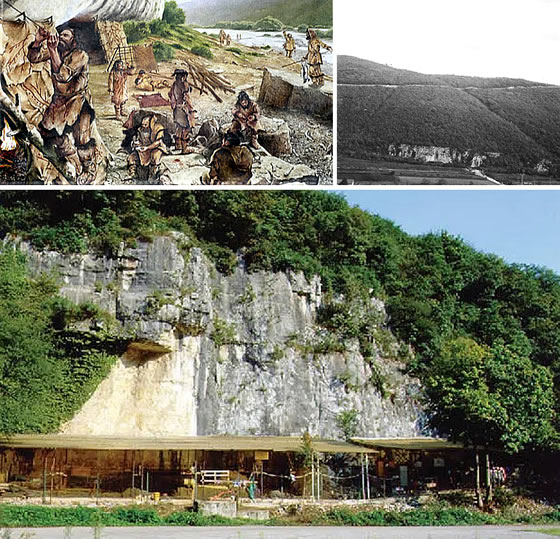
The shelter is situated near the Progno di Valpantena river and occupied a strategic position due to the wide range of available resources—not only animal game, but also fresh water, high-quality flint suitable for knapping, and ochre (goethite and hematite). For these reasons, the site quickly became a base camp intensively frequented by prehistoric humans for a large part of the year.

The earliest evidence of human presence in the territory of Grezzana dates back to the Middle Paleolithic (100,000–35,000 years ago). During this long period, the Würm glaciation (110,000–12,000 years ago) was underway, but the coldest peak was reached approximately 20,000 years ago. Riparo Tagliente was very close to the Alpine arc, which at the time was covered by an enormous ice sheet over a kilometer thick. The shelter stood at the northern edge of the Po Plain, which was then unrecognizable: a steppe landscape dotted with small shrubs, where bison, reindeer, mammoths, and other large mammals grazed. The emerged land was far more extensive than today, and the Adriatic Sea, which now borders the Po Plain, did not exist as we know it—the northern coastline lay 200 km further south. This was because the sea level was about 120 meters lower, due to the ice sheets covering much of the Northern Hemisphere.
Various artifacts found in the cave attest to human occupation during different periods: the first (60,000–30,000 years ago, the coldest phase) is associated with Neanderthals, while the second (17,000–11,500 years ago, when temperatures had risen) is linked to Homo sapiens.
Homo neanderthalensis frequented the shelter mostly during the spring months. To this period belong stone tools used for digging the ground in search of roots and tubers, or for butchering hunted animals: points, scrapers, end-scrapers, and flint flakes. These humans predominantly favored herbivores but did not hesitate to kill large animals such as the mammoth, fragments of whose teeth have been found.
After the disappearance of Homo neanderthalensis from Europe, the shelter was frequented by the first groups of Homo sapiens in Europe, probably around 40,000 years ago. This occupation is poorly documented due to flooding by the adjacent Progno di Valpantena, which at the time was a watercourse of far greater flow than today, and which largely erased the archaeological deposits from this phase.
Subsequently, during the Last Glacial Maximum, the shelter was abandoned as climatic conditions in the surrounding region worsened.
It was during the Late Glacial period, at the end of the Pleistocene, that the site was once again occupied, this time far more intensively than in the past. Finds from this period include:
- meal remains (animal bones),
- lithic industry,
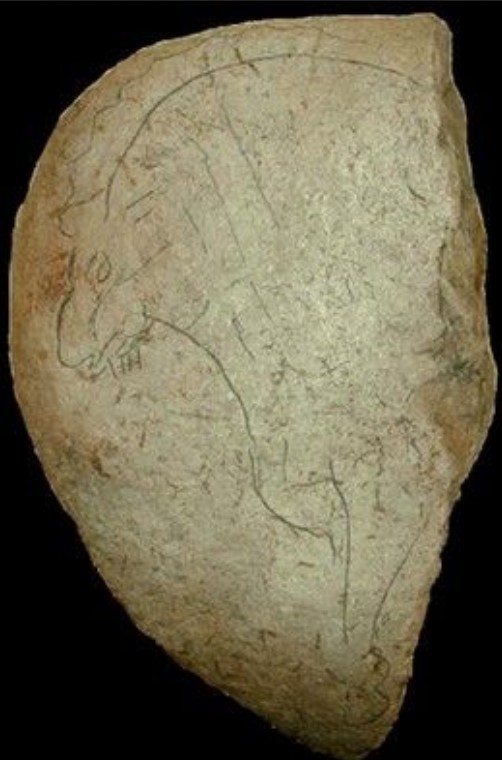
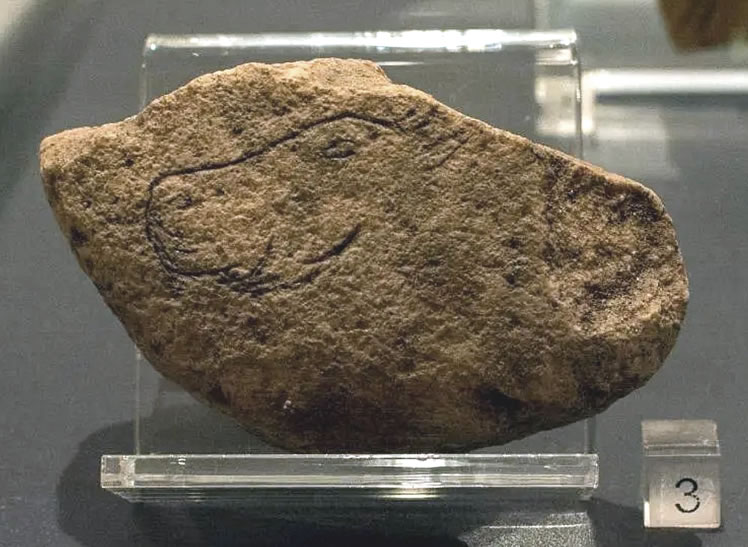
- portable art: several bone and stone artifacts, dated between 13,500 and 11,000 BCE, depict various animals. The most famous are a lion engraved on a block—part of a burial—and a striking ibex engraved on a river pebble.
- personal ornaments (perforated seashells and animal teeth): the Sapiens ventured to distant areas to obtain materials useful for their activities, as evidenced by marine shells probably from the Adriatic, rock crystal, and yellow ochre possibly from Ponte Veia.
- remains of a dwelling,
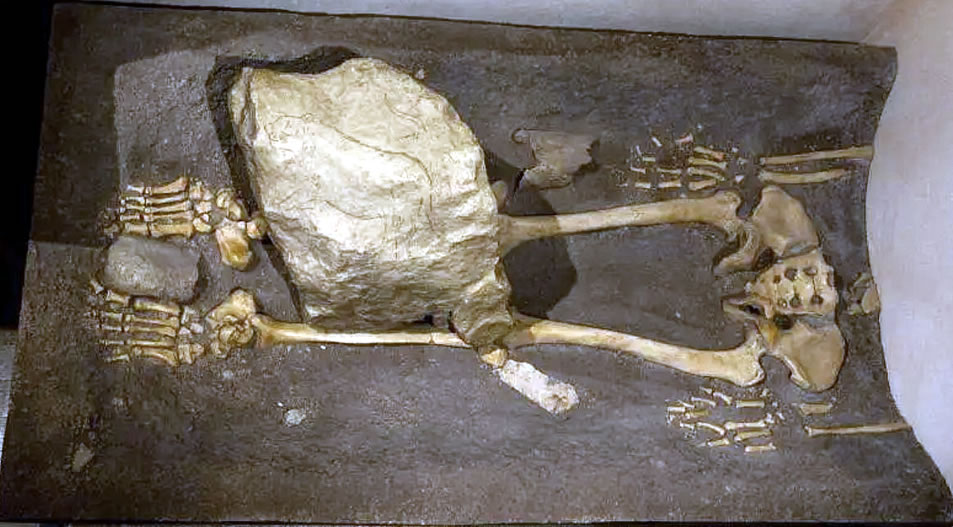
- remains of a burial: this pertains to a male individual, a hunter, aged 22–30, who lived around 16,000 years ago and likely died from violent intergroup conflicts that caused a fatal injury (probably from a composite arrow) to the left femur and tibia. His body was laid in a shallow pit, with limbs extended along his sides. The grave goods included a limestone pebble with ochre traces placed between the feet and a fragment of a large bovid horn on the right side; part of the grave goods was probably placed on the upper body but was removed by a medieval excavation along with the upper portion of the deceased. At the time of discovery, the upper body appeared to have been removed by the medieval excavation, while the lower part was covered by a pile of large stones, one of which bore a refined naturalistic engraving of a cave lion, with the design facing the side of the boulder resting on the deceased's body, while the other depicted an aurochs, a large extinct bovine.
Most likely, the prehistoric people who inhabited the area believed in life after death.

Subsequently, the shelter was no longer used, except for a brief occupation during the historic period, possibly the Middle Ages.
Why is Riparo Tagliente important?
Because for the first time we have confirmation that:
- shelters were frequented not only by adult Neanderthals but also by their children, as evidenced by the discovery of two deciduous teeth (or "milk teeth"), possibly belonging to the same individual;
- over 17,000 years ago, Sapiens returned to the Valpantena valley, moving back up toward the Alpine arc, even though climatic conditions were still quite harsh, with a landscape dominated by grasslands and mixed scrubland.