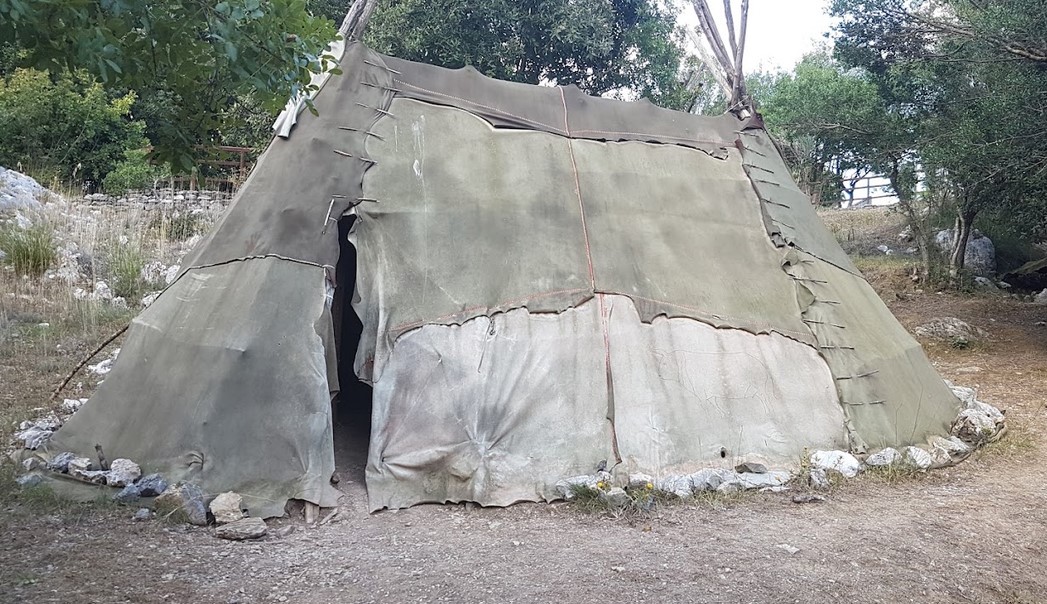
Homo sapiens: hunters only, or already solidary communities?
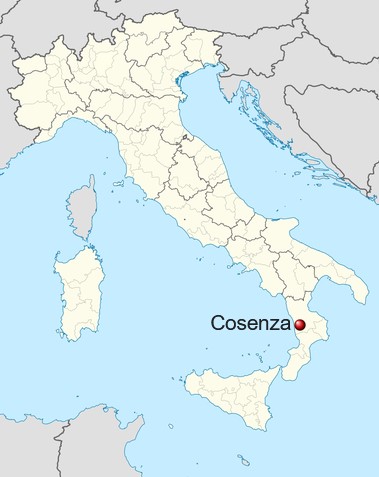
If the earliest traces of human presence in Italy date back to the Lower Paleolithic (c. 1.4 Mya at the Capo Rossello site in Sicily), the more well-known sites, such as the Balzi Rossi caves near Ventimiglia or the Romito Cave near Nuppolara (Cosenza), date instead to the more recent Paleolithic. The engravings found on the walls of some of these caves confirm the presence in Italy of tribes dedicated to hunting and gathering.
The Romito archaeological site is among the most abundant Paleolithic sites in terms of human fossil remains in all of southern Europe. Among the buried individuals, there are not only young, strong, and healthy individuals in the prime of their physical vigor, but also people with severe congenital malformations such as dwarfism, or who had survived severe physical trauma. Thus, care by the group for individuals with physical disabilities becomes a social trait that archaeological evidence can highlight.
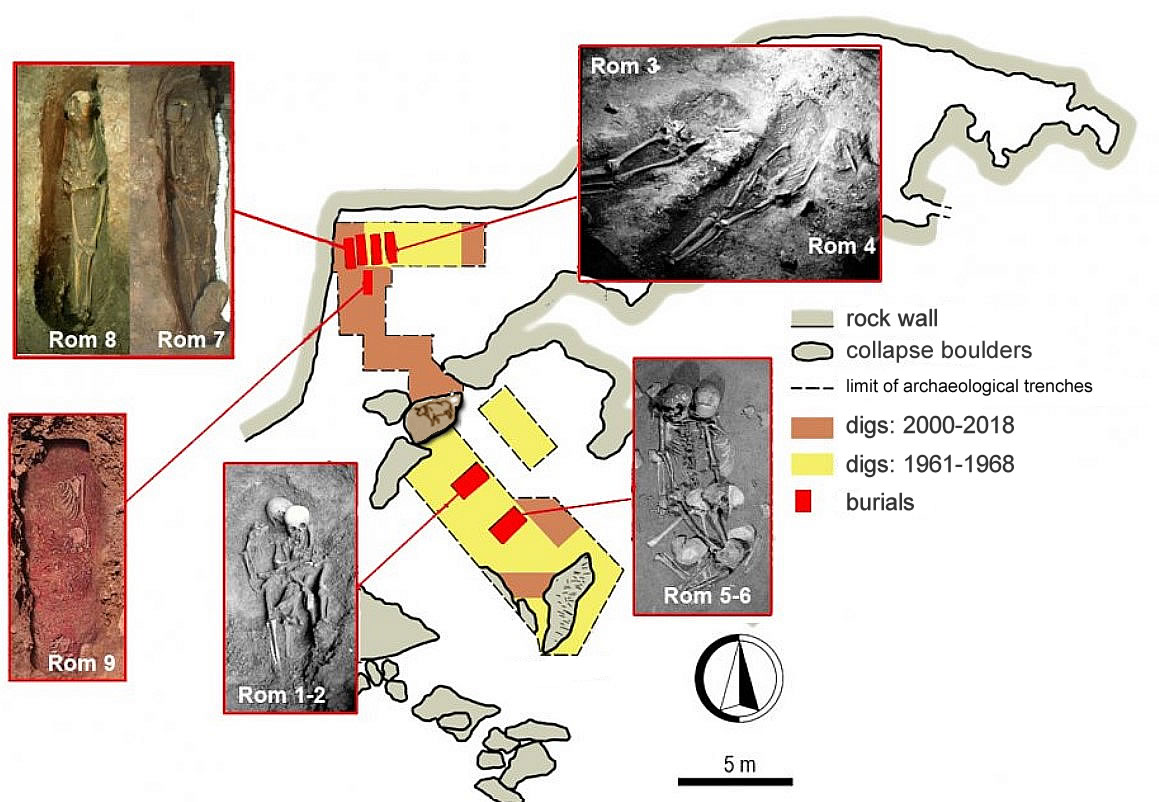
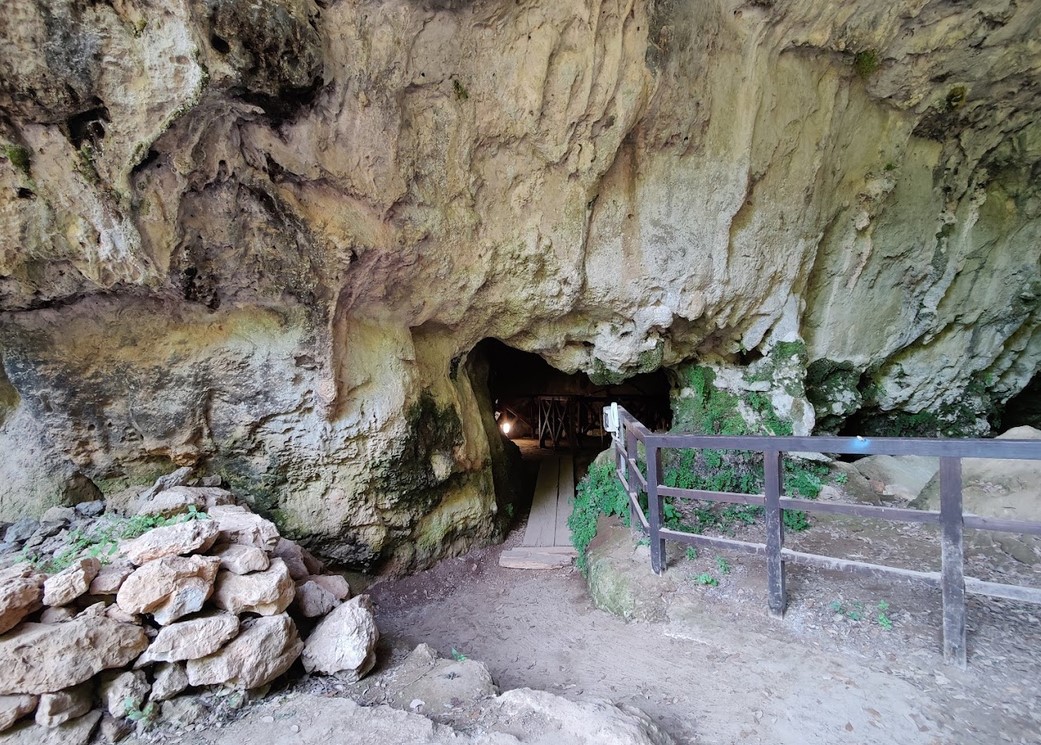
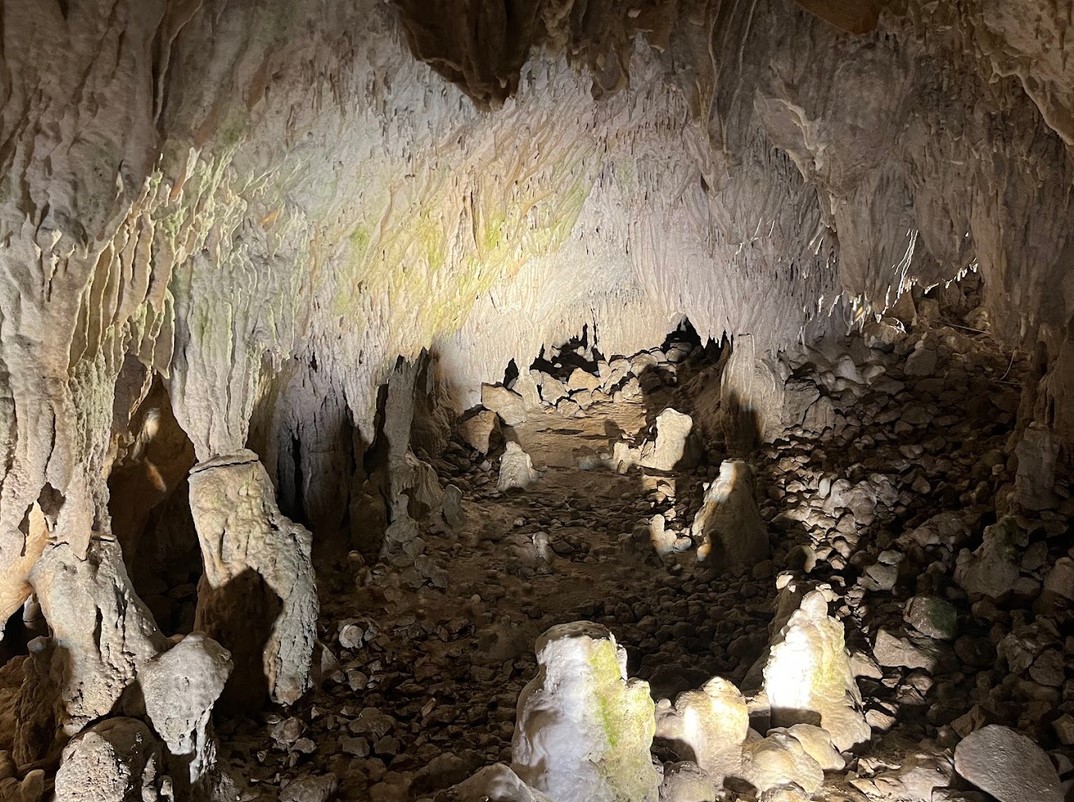
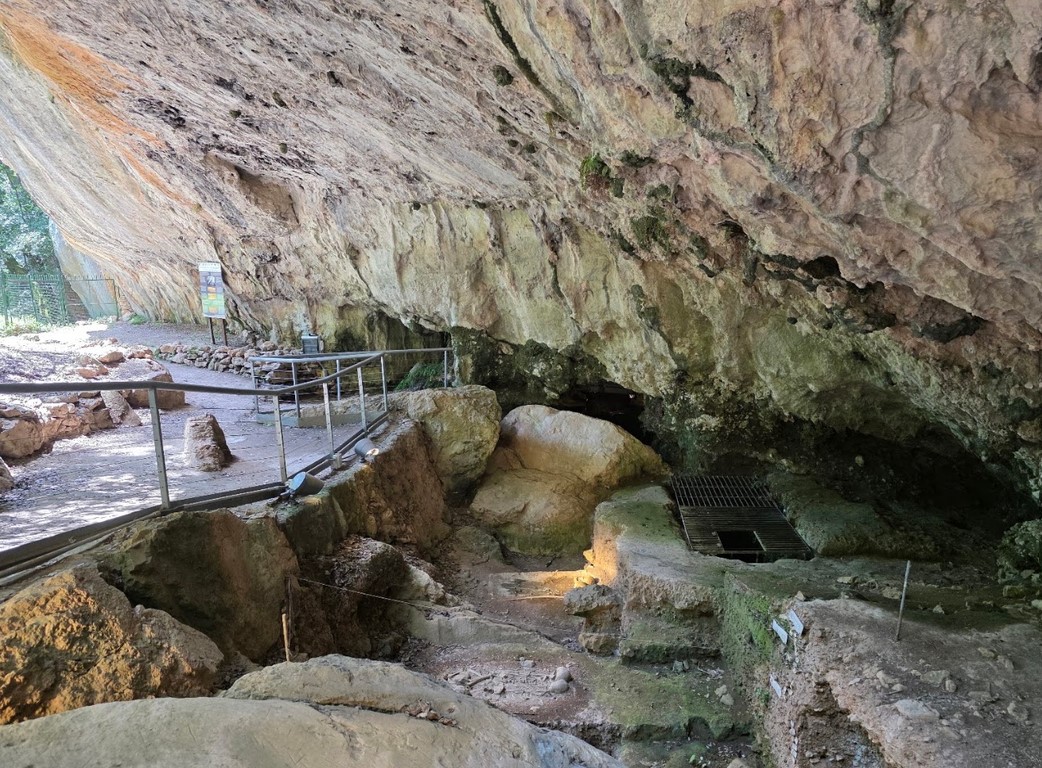
The Romito archaeological site comprises a Cave and a Rockshelter that were inhabited by communities of Homo sapiens from the end of the Paleolithic onward.
The cave and the rockshelter now appear as two almost distinct environments, due to an artificial closure with a wall dating back to the time when the cavern was used as a hermitage (romitorio). At the time of Paleolithic occupation, the two environments constituted a single large living space.
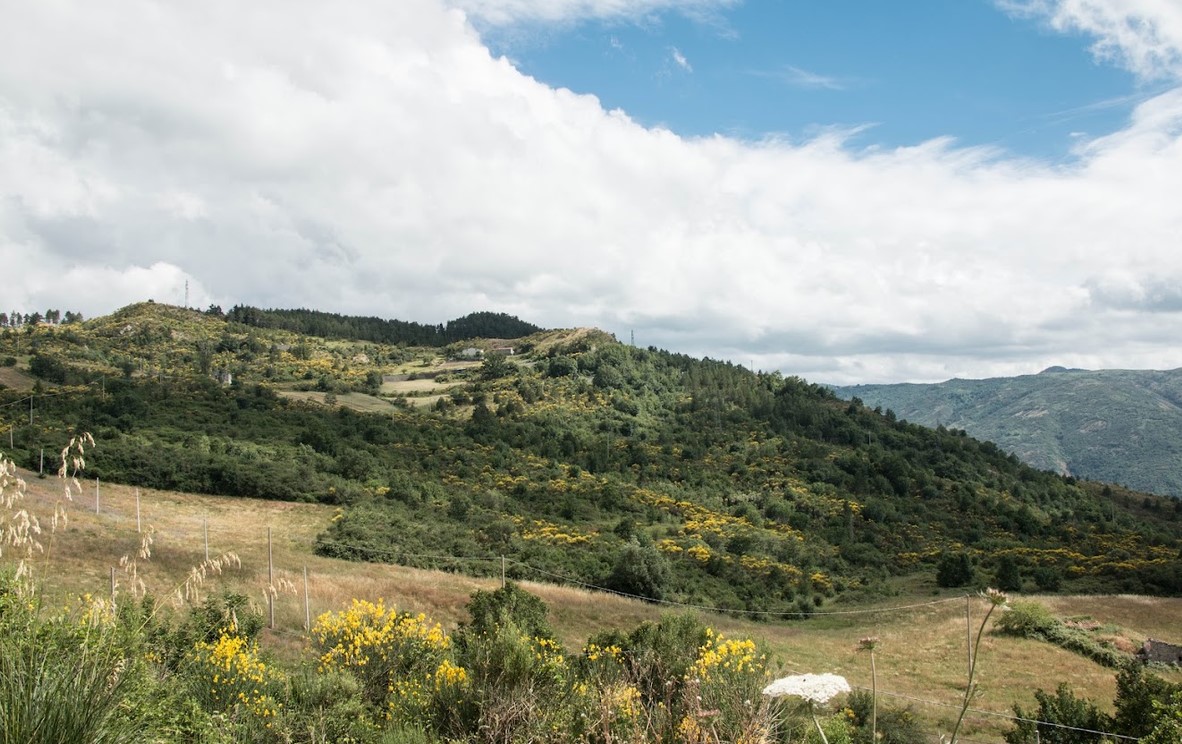
The cave is located within a narrow canyon that offered protection and shelter. Nearby flows the present-day Lao River, which was active during the Paleolithic presence and was used as a communication route as well as a source of food and lithic resources.
Several burials were found inside the cave. Adjacent to the now-enclosed cave environment opens the rockshelter, a large open-air space sheltered by the overhang of the rock wall. Here is located the large boulder engraved with the imposing figure of a bull, and near it, other burials were found.
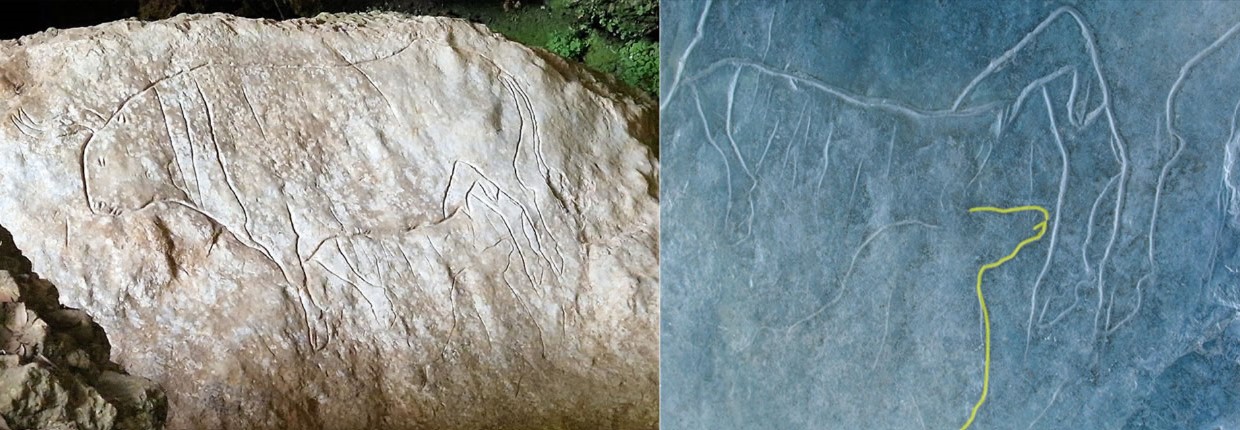
In the outer area of the rockshelter lies the other large boulder with linear-style engravings.
The large engraving of an aurochs (Bos primigenius) represents the most majestic and successful expression of Paleolithic veristic art in the Mediterranean area. The style is similar to that well-attested in the French and Spanish regions (the so-called Franco-Cantabrian style), which respects natural proportions, pays attention to anatomical details, and sometimes to perspective. The animal is depicted motionless, as in the transalpine tradition.
The skeletons of individuals 1 through 8, all in a good state of preservation, belong to adult or subadult individuals, both female (1, 4, and 5) and male (3, 6, 7, 8). Individual 2 is probably male. All these burials date to a period between 10,800 and 12,200 years ago, except for individual 9, the oldest, datable to about 14,000 years ago.
Most individuals habitually consumed foods rich in animal proteins of terrestrial origin, regardless of their age or sex. This indicates the adoption of a stable diet. Only individual 9, older than the others by a few millennia, shows a mixed diet that also includes marine and/or freshwater fish.
The comparison between the isotopic values of the fossils of the buried individuals and those of the hunted animal remains shows similar results, in that no signs of long-range migrations or origins from different geological areas are present in the bone collagen. This suggests that the human groups at Romito were decidedly sedentary. In fact, 24,000–20,000 years ago, climatic deterioration caused the sea level in Italy to drop by over 100 meters compared to the present level and the glaciation of mountain ranges. The Calabrian Apennine ridges became a difficult obstacle to overcome, limiting the mobility of human groups and causing phenomena of cultural isolation with limited exchange of knowledge. Subsequently, there followed a progressive deglaciation and climatic improvement that continued for 10,000 years. Although the conditions theoretically allowed for a resumption of communication and exchange even over long distances, various cultural provinces emerged in Italy, as well as in the rest of Europe, with original features in stone tool kits, art, and partly also in funerary rites. This relative isolation indicates that groups chose to live in more or less restricted territories, thanks to their ability to exploit all the resources of those territories.
The oldest group is inside the cave and includes individuals of robust build, laid in burial pits with their heads to the south, placed side by side and well aligned. They adhere to the rich funerary tradition of the Middle Upper Paleolithic (Gravettian), which includes a rich grave goods assemblage.
The most recent group is buried in the rockshelter and includes individuals of more gracile build, with corpses preserved in pits.
Burials inside the cave
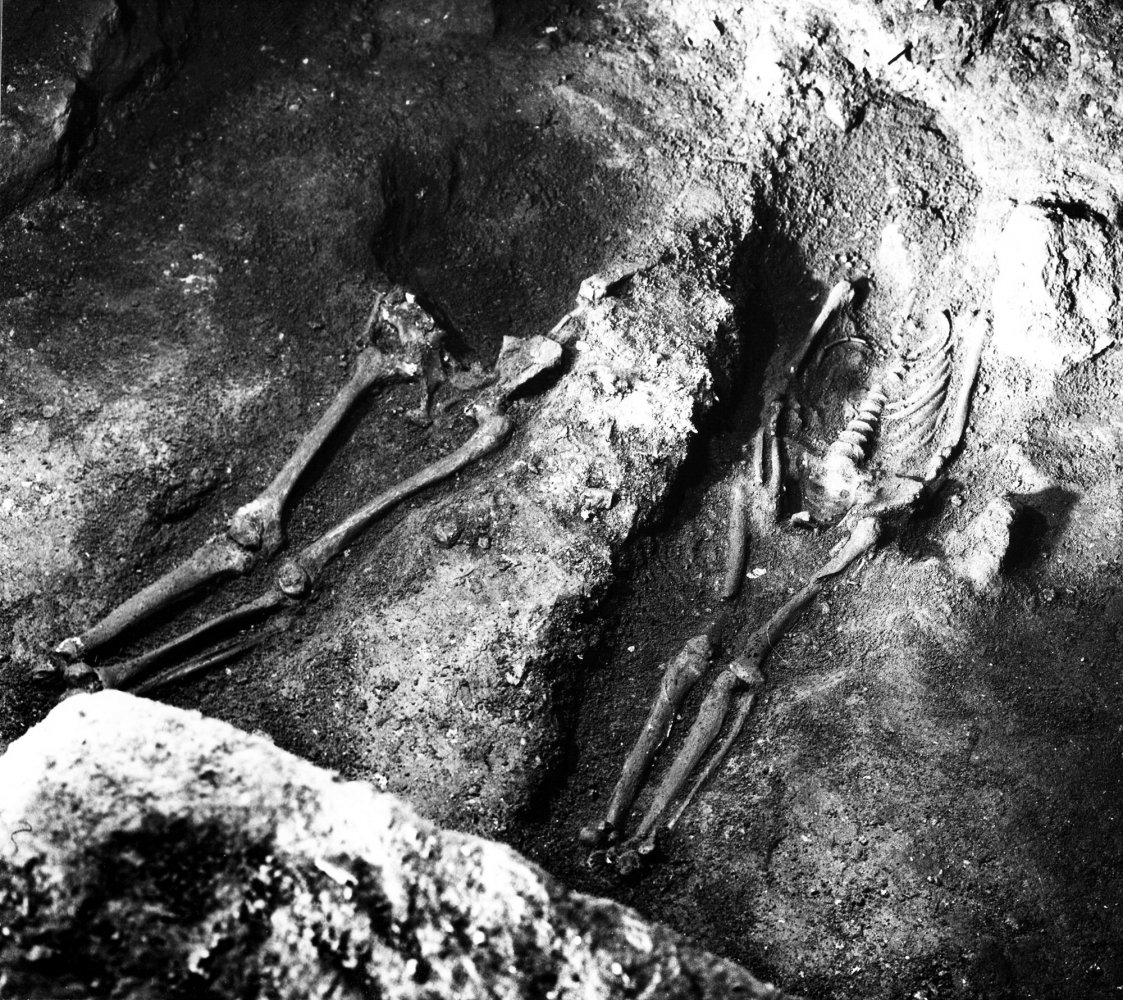
• 3+4: These are two single burials adjacent to each other inside the cave, each in a pit with the skeletons covered by large limestone blocks. The individuals, chronologically close, do not appear to be related by kinship.
The two pits, very close to each other, have similar dimensions and inside them, the deceased were laid out supine with arms at their sides. Their stature ranges between 160–170 cm.
Individual 3 is an adult male (at the time of excavation, the cranium, part of the ribs, and arms were missing due to excavation by unknown persons).
Individual 4 is a young woman aged 18–20, datable to c. 11,340 ya.
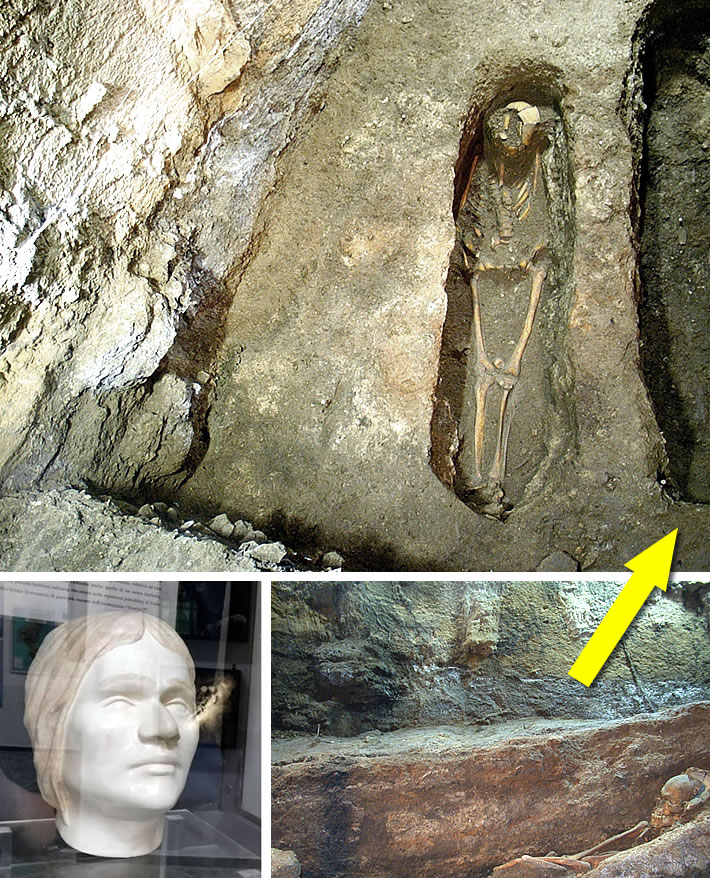
• 8+7: These are two male burials where the bodies were each placed in a narrow, deep pit and covered with numerous stones. No grave goods were detected.
Individual 8 is nearly contemporary with individual 7, slightly older, and dates to about 12,200 years ago. He had suffered trauma, of which clear traces remain on the humerus and cranium, which had likely damaged the radial nerve plexus, causing paralysis of the left upper limb. The physical impairment prevented him from many of the most intense physical activities of Paleolithic men. However, the exceptional wear on the occlusal surfaces of his teeth, used as tools for non-alimentary purposes (working soft wood, hide, or other semi-hard materials), indicates that through his participation in other activities, he contributed to group life despite his physical disability.
Individual 7 is a young male individual who died at about 18–20 years of age. A quantity of red ochre, a pigment often used in the Upper Paleolithic to partially or completely cover the bodies of the deceased, was found on his pelvis.
The body of the deceased was placed in a narrow, deep pit and was then covered by a well-organized structure of large stones, arranged in an orderly manner in three superimposed layers. Two stones larger than the others, rather flat, found slightly oblique from the pelvis toward the head, created a sort of protective chamber for the pelvis and thorax. The hands were crossed over the pubis. No grave goods were detected, except for a flint point placed along the right side. A second lithic object was in contact with the finger phalanges, but its relationship to a ritual offering remains uncertain.
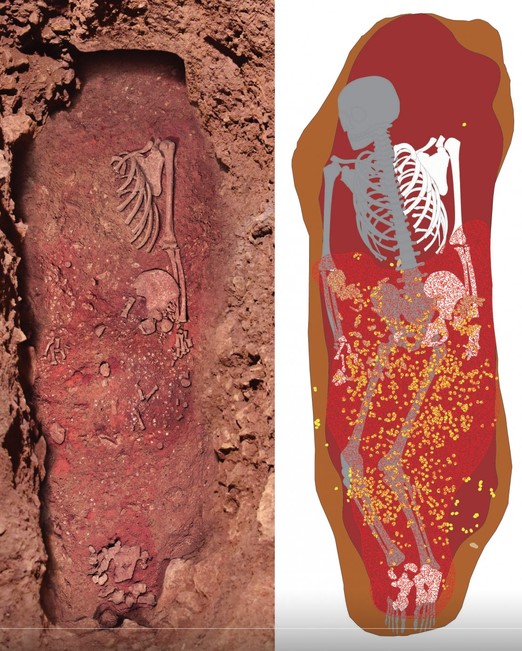
• 9: This is the oldest burial and pertains to the inhumation of a young male (aged 11–12, 14,000 ya), buried with a ritual that included rich ornamentation: the body was laid in the pit covered by a sort of "shroud" decorated with over a thousand perforated shells. About one hundred perforated atrophic deer canines were found in the pit; most of these constituted two bracelets, one adorning the left forearm and the other the right wrist of the young buried individual. The body was laid on a bed of red ochre, and more ochre covered it.
Burials in the rockshelter
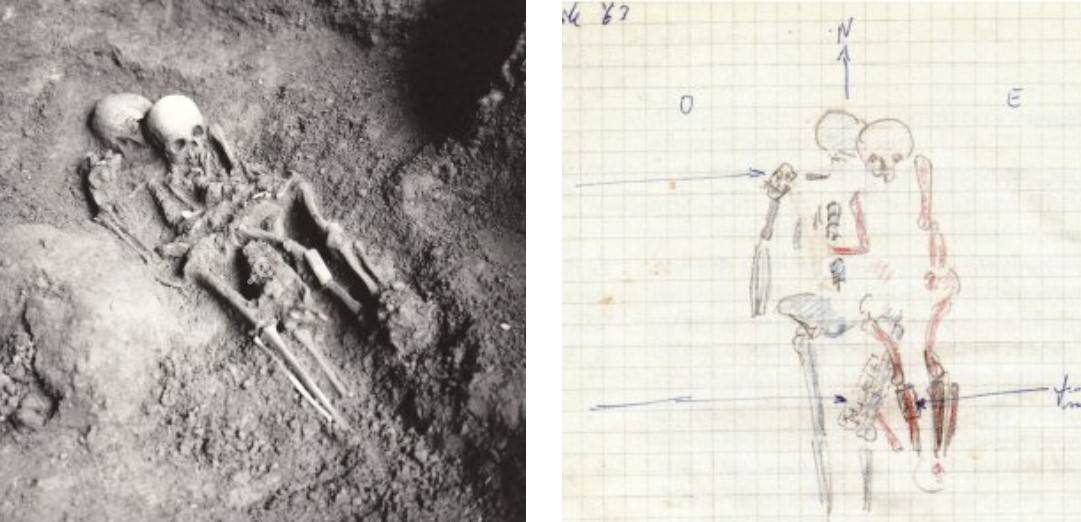
• 1+2: A double burial (two inhumations in the same oval pit) with an adult woman, 144 cm tall, and a probable male aged 15–20, 120 cm tall, lying supine and side by side. The latter presents a severe pathology (dwarfism), and his head rests on the woman's shoulder, who embraces him with her left arm. As grave goods, they had an aurochs horn (Bos primigenius) between their legs, while another smaller fragment was on the woman's right shoulder.
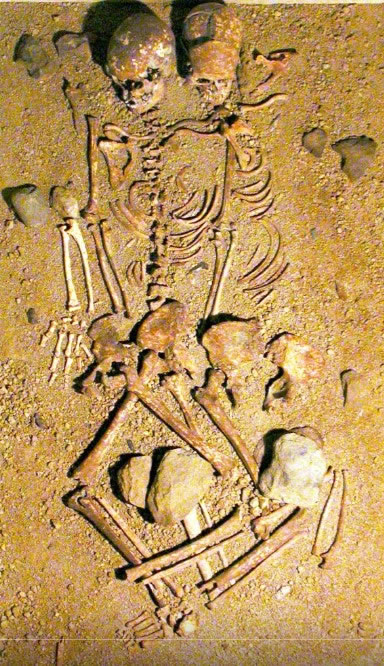
• 5+6: This is the second double burial brought to light in the rockshelter. The two skeletons, oriented northwest-southeast, in a supine position with legs bent, were placed in a single pit surrounded by stones. Other smaller stones were found on the chest and legs of the two individuals. The head of individual 6, a male, rested on stones. Part of the skeleton of individual 6 was no longer in anatomical connection at the time of discovery, as the double burial occurred in two stages: first, the burial of individual 6 is documented; later, after the decomposition of the soft tissues, individual 5, a female, was inhumed. This second event caused the displacement of part of the skeleton already present in the pit. The stature of the two buried individuals reached approximately 155 cm. Individual 5 is datable to c. 10,862 ya.
Molecular analyses indicate that individuals 5 and 6, buried together in the same pit, were related through the maternal line, i.e., sharing the same mother or grandmother. The hypothesis of a conjugal burial finds neither archaeological nor molecular support, but if that were the case, we would have to assume a marriage between consanguineous individuals.