Why were Neolithic villages built on hilltops or river terraces?
The Neolithic period begins with the end of the Mesolithic and ends with the onset of metalworking. It is the age of polished stone—the "New Stone Age" (from the Greek néos, "new," and líthos, "stone")—and marks a profound shift in the living conditions and lifestyle of prehistoric peoples. In reality, the use of polished stone tools is just one of several highly significant innovations that spread at different times across the Mediterranean basin: starting in the 8th millennium BCE in the Near East, later in China, then about four millennia afterward in continental Europe, and, independently, several millennia later still in the Americas.
Humans became sedentary, turning to animal husbandry and agriculture, a transition favored by the milder climate that followed the Mesolithic Ice Age. The growing importance of plant-based foods in the human diet spurred technological advances in gathering, processing, and storage.
The Neolithic was undoubtedly a period rich in pivotal changes and crucial transformations. However, scholars today tend to avoid speaking of a single "Neolithic Revolution," both because the individual developments did not emerge suddenly, and because no clear-cut breaks with earlier phases can be identified. Moreover, these changes unfolded over very long spans of time and at different moments across the globe, often independently from one human group to another. It is therefore more accurate to refer to multiple "Neolithic revolutions."
A defining feature of the Neolithic is the permanent shift from a parasitic, extractive economy—based on hunting and gathering—to a productive one centered on farming and herding. While some areas remained more suited to hunting, in others—where the environment was sufficiently sheltered and water was available for much of the year—stable agriculture and livestock rearing prevailed. These activities, combined with food storage, encouraged communities to adopt a largely sedentary way of life. Even seasonal grazing areas had to be reachable via relatively short, local routes. People began cultivating edible plants outside their wild growth areas, in zones where intentional watering or irrigation became necessary.
The first permanent base villages emerged, consisting of a few dozen houses where most of the population resided year-round, alongside seasonal camps for shepherds. These villages were made up of huts or pile dwellings, varying in shape—circular or rectangular, often clustered together in early settlements and enclosed by wooden palisades—and built from different materials, including wood, straw, mud, stone, or sun-dried clay bricks.
More advanced tools were developed for agricultural use—sickles, hoes, spades, pestles, mortars, and stone querns for grinding grain, with ploughs appearing later—while animal domestication expanded beyond sheep, pigs, and cattle to include donkeys and eventually horses. The cultivation of flax and the production of raw wool spurred the development of spinning and weaving. Another major innovation was the first appearance of pottery—terracotta vessels, following an earlier experimental phase with containers made of lime plaster, known as "white ware"—which made it possible to transport and store foodstuffs.
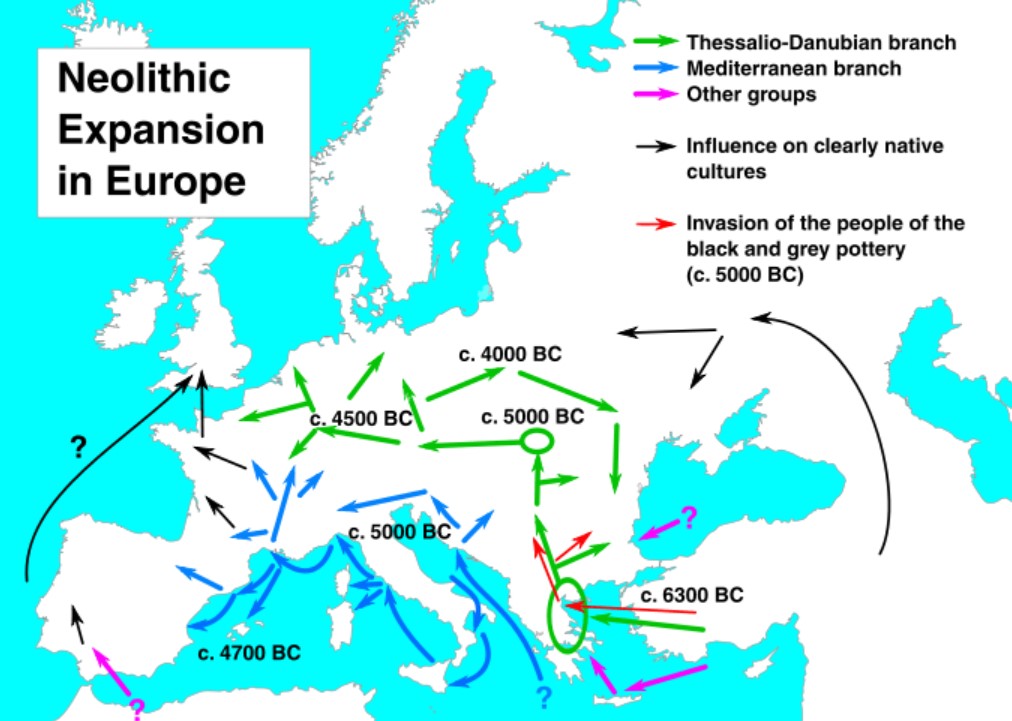
Waves of Neolithization in Europe
The first wave of Neolithization reached Europe by sea, spreading along the coasts of the western Mediterranean—Liguria, southern France, and Spain. It is characterized by impressed pottery, decorated with impressions made while the clay was still soft, often using shells of the genus Cardium (hence the term Cardial ware).
The second wave traveled up the Danube River, reaching Central Europe. It brought with it the distinctive Linear Pottery culture, adorned with incised lines, as well as necklaces made from Spondylus shells or other bivalves, and small female clay figurines.
The encounter between early farmers and Mesolithic European communities gave rise to numerous regional variants of these two main ceramic traditions—impressed and linear ware.
The stability and security that Neolithic peoples had achieved in their relationship with nature are also reflected in their art: depictions began to include hunting scenes and everyday life, rendered with more proportionate figures, and art acquired decorative as well as narrative purposes.
The Neolithic Transition
The Neolithic transition was neither universal, uniform, nor sudden. The earliest shifts in subsistence occurred independently in regions where wild species of plants and animals suitable for domestication were present. Major centers of origin developed in Asia, Africa, and the Americas, and from these areas, the productive economy gradually spread to other geographic regions through cultural contacts or human migrations—as was the case with its expansion into Europe from the so-called Fertile Crescent in the Near East. In many cases, the transition was not immediate and did not radically alter lifestyles; in others, the productive model was anticipated by cultivation experiments carried out by Mesolithic groups. Despite some common underlying elements, the Neolithic thus manifested itself with distinctive features from one community to another: the species raised and cultivated, farming systems, technologies, social organizations, and economic activities all varied, often in response to different environmental conditions. For instance, in the Near East at the beginning of this period, ceramic containers were not yet being produced, whereas they were already present in older groups elsewhere, such as in the Far East; in North Africa, pastoral populations practiced nomadism for a long time rather than agriculture, even though they already used pottery. Nevertheless, the new productive systems and stable settlements began to leave their mark on the landscape, triggering profound environmental and cultural changes that would eventually become irreversible.
A key factor in economic intensification during the Neolithic was the development of trade networks through which essential goods circulated, including salt and sought-after raw materials for tool-making—such as obsidian, flint, and greenstone—as well as items used for ornamental and symbolic purposes, like amber, ivory, and shells.
The Neolithization Process in Italy
The Neolithic spread across Italy through a gradual expansion of Neolithizing influences that lasted several millennia, although we do not always have sufficiently reliable chronological data to establish a comprehensive periodization.
We know that around 6000 BCE, the earliest Neolithic communities settled along the Apulian coast. These populations did not yet practice agriculture, but they were already capable of producing ceramic objects.
By the fifth millennium BCE, the first agricultural settlements had appeared both in southern Italy and in northern Italy, particularly along the Ligurian coast.
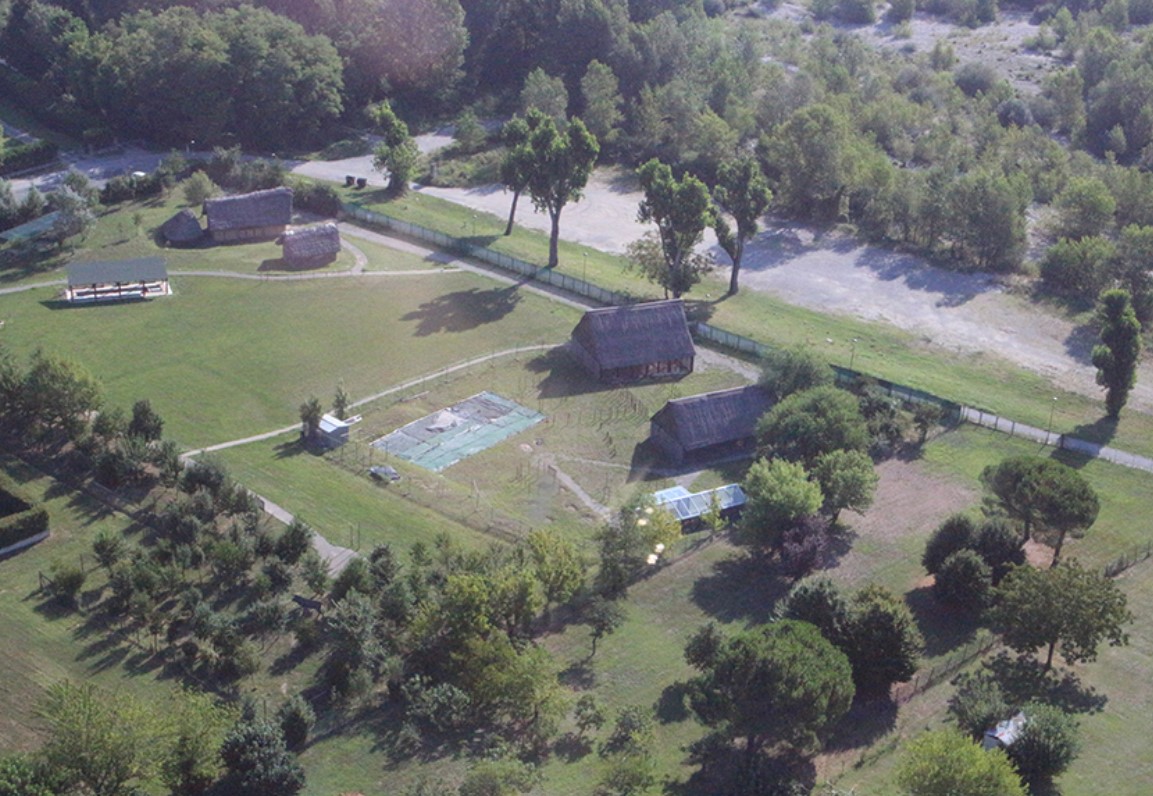
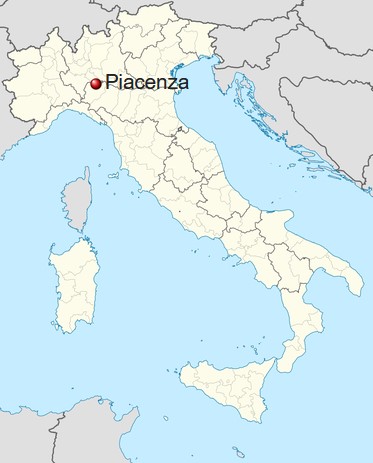
Archaeological Park of the Neolithic Village of Travo S. Andrea (Piacenza)
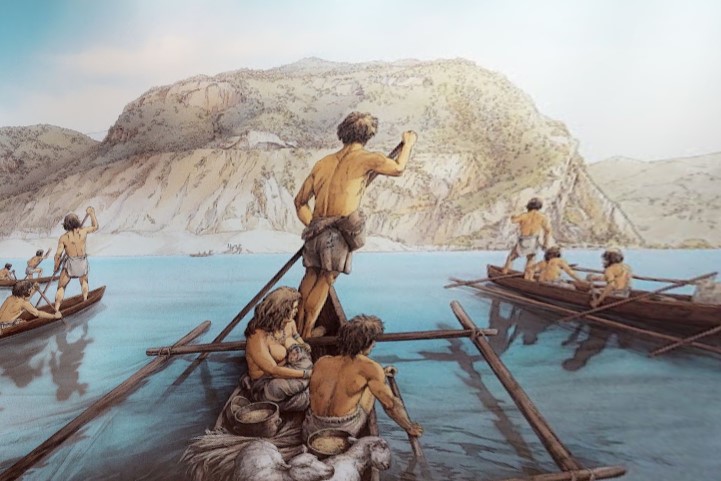
Around 7,200 years ago, the first farming communities of the Po Valley carved out spaces for their villages of huts and cultivated fields by clearing the dense forest that covered the region at the end of the last Ice Age. This marks the beginning of the Neolithic in the area—a period when a lifestyle based on agriculture and animal husbandry spread across Europe, brought by men and women who arrived by sea from the Near East.
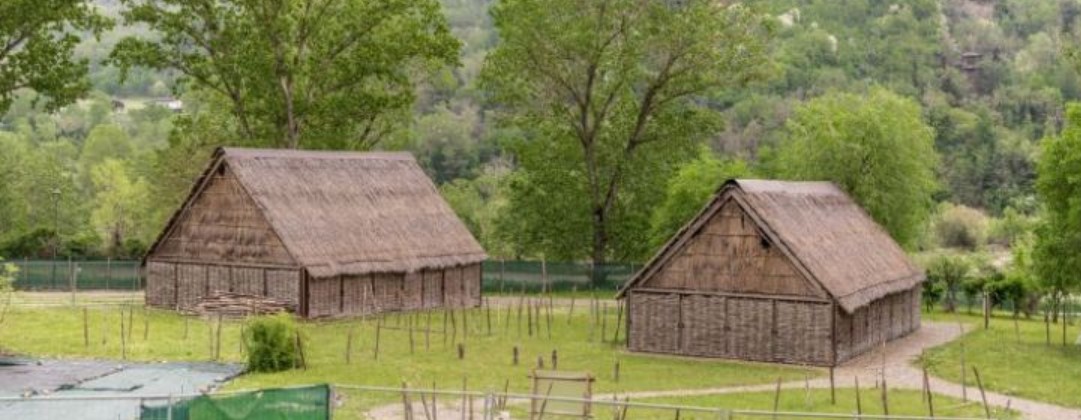
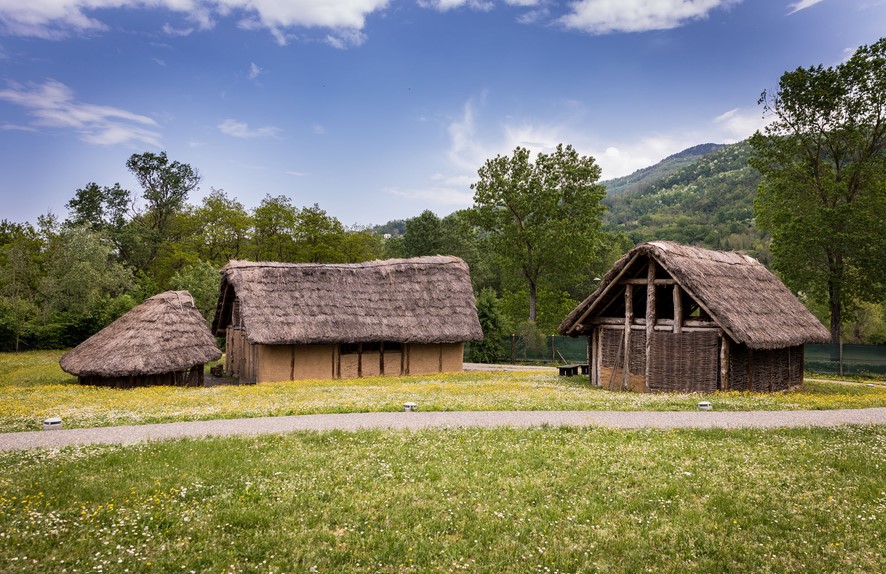
Neolithic villages were typically built on hilltops or river terraces—elevated areas near watercourses. This choice provided fertile, well-drained land safe from flooding, while also offering proximity to wetlands where hunting and fishing were possible.
Dating back about 6,000 years is the Neolithic village of Travo (Sant'Andrea, Piacenza, in the Po Valley), located near the banks of the Trebbia River. It is one of the most significant settlements of the Late Neolithic in northern Italy.
The site was discovered by chance in the 1980s by volunteers, along with some 200 other archaeological sites dating from prehistory to the Middle Ages. From 1995 onward, systematic archaeological excavations were undertaken.
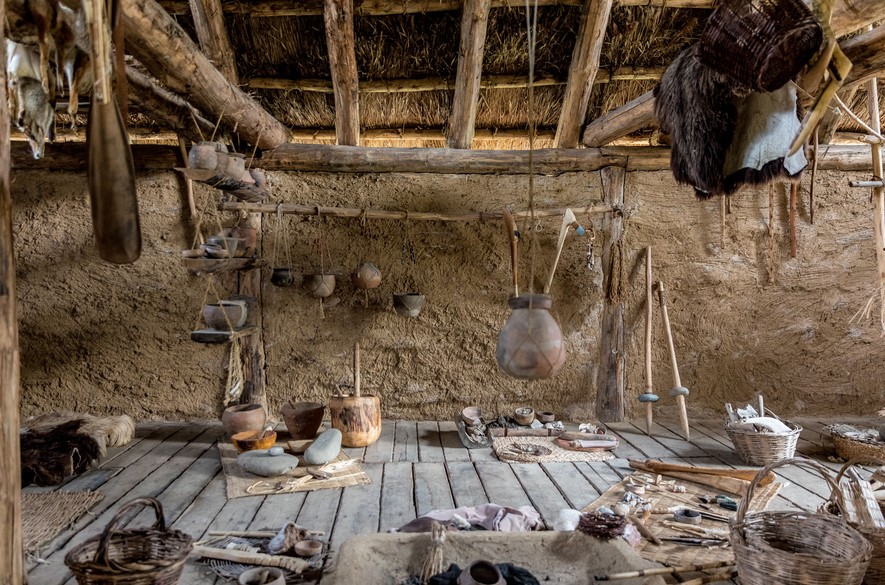
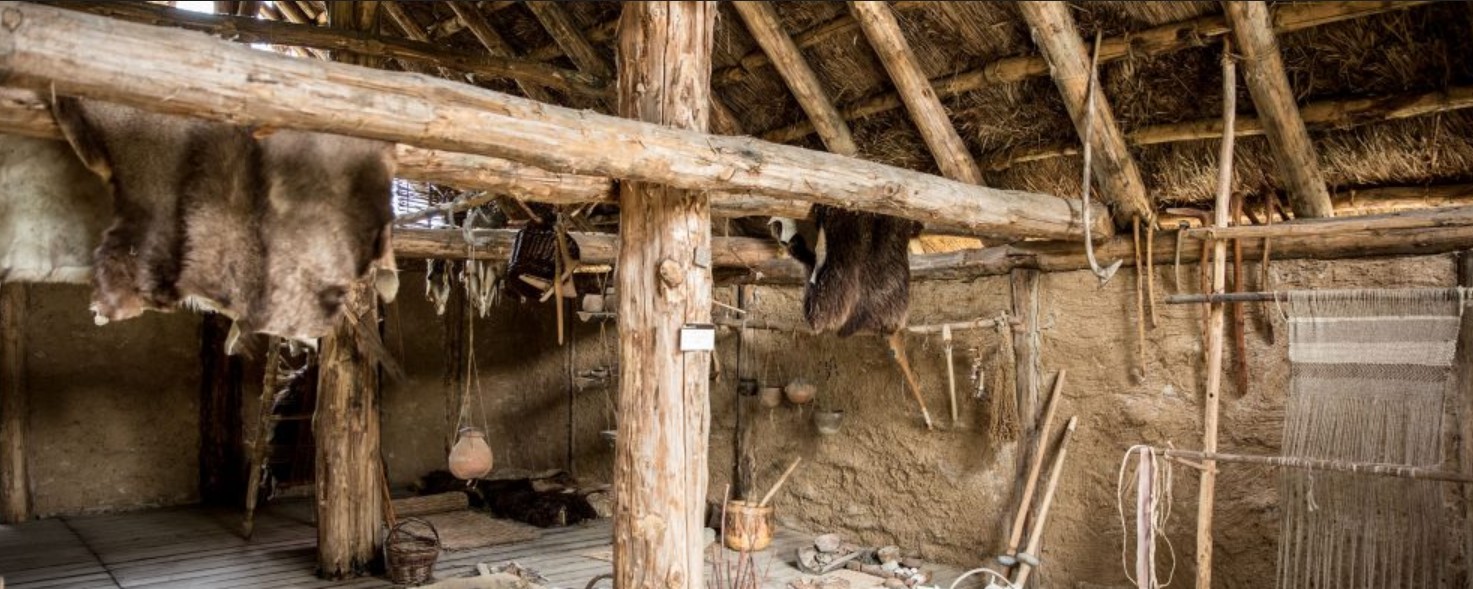
In 2010, reconstructions of three Neolithic huts—brought to light during the excavations—were completed. They are furnished with replicas of original artifacts found in the excavation campaigns, including wooden objects, ceramic vessels, and stone tools characteristic of the Neolithic community that once lived there. The archaeological materials recovered are displayed in the Civic Archaeological Museum, housed in the Anguissola Castle in the medieval village of Travo. Since 1997, with subsequent updates, the museum has hosted an exhibition exploring the ancient settlement of the Trebbia Valley, from the Paleolithic to the Middle Ages.
Between 2005 and 2011, in the southern portion of the park, not far from the Neolithic settlement, traces of a later inhabited area and a cemetery of great interest were identified, dating to between the 5th and 8th centuries CE. This is an extensive early medieval necropolis covering 545 square meters, with 117 tombs. In 2020, six Lombard-era burials were reconstructed, among which the tomb of a woman stands out—the only one found with a funeral assemblage, featuring a decorated brick covering inscribed with a funerary epitaph..