What Secrets Lie Behind the Paglicci Woman's Hood and the Ancient Gravettian Burials?

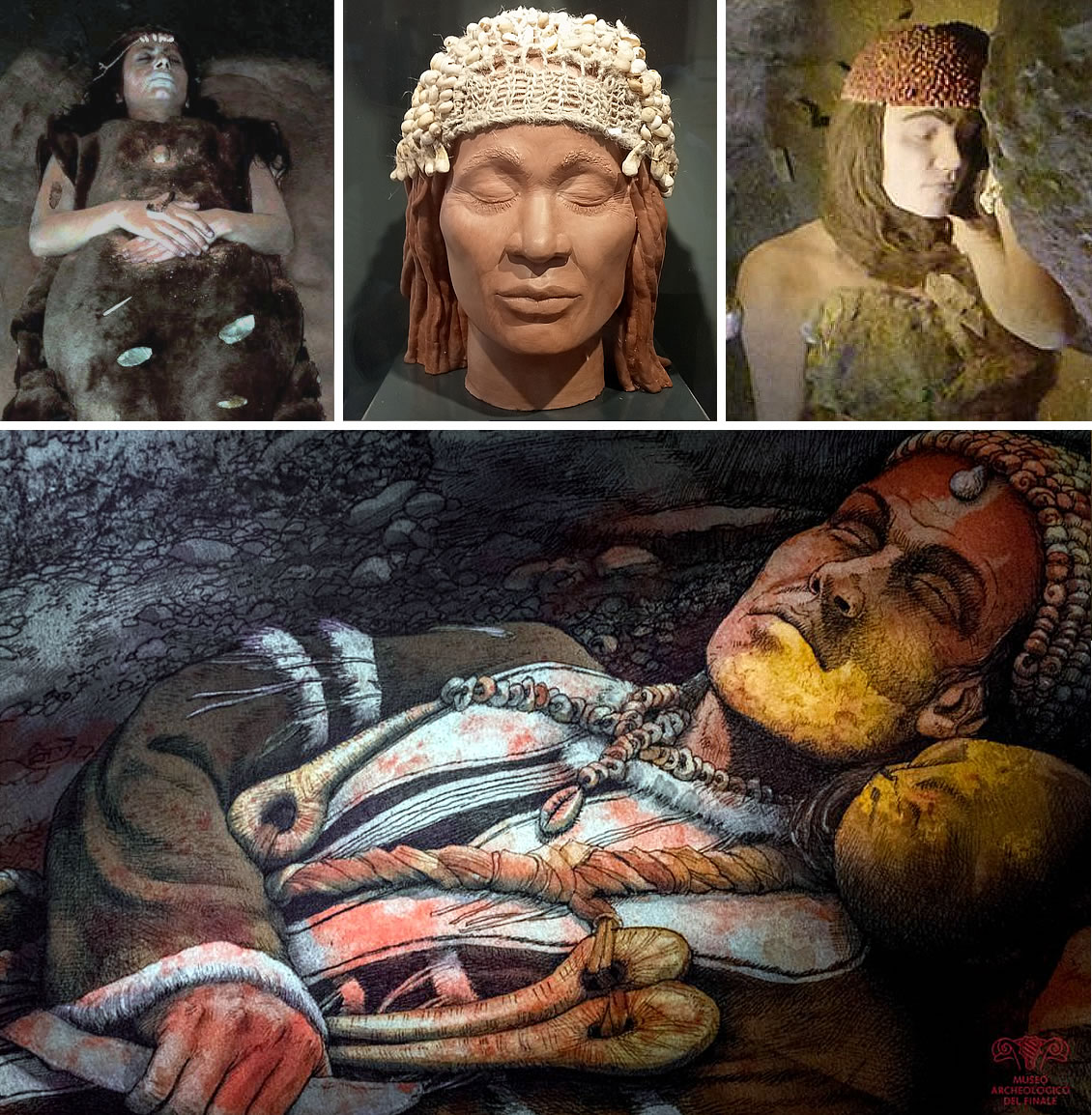
During the Upper Paleolithic (approximately 29,000 to 20,000 years ago), a particular object was shared among some burials on the Italian peninsula. This object was a sort of headdress or "hood," crafted from small interwoven shells of the genera Nassa neritea, Trivia, or Columbella, sometimes adorned with red deer canines. The entire piece was finely knotted to form a type of head covering, coated with red ochre (powdered hematite), and placed over the cranium of the interred individual.
These burials belonged to three women and one man: the Woman of Paglicci (Apulia), the Woman of Caviglione (Liguria), the Woman of Ostuni (Apulia), and the so-called Prince of Arene Candide (Liguria). Beyond the hood, they all shared the same period and the same culture: the Gravettian.
The term "Gravettian" derives from the French gravettien, itself originating from La Gravette, an important prehistoric site in the Périgord region (southwestern France). It is a term used to indicate the cultural aspects of the Upper Paleolithic in certain European countries, including Italy, characterized by the widespread presence of points and blades known precisely as "La Gravette points" (or backed blades, or simply, backed).
It is precisely in France that we find a burial of the same type documented for the woman of Abri de Cap Blanc: dating back to between 17,000 and 12,000 years ago, her cranium shows traces of a "hood" made from interwoven shells and coated with ochre.

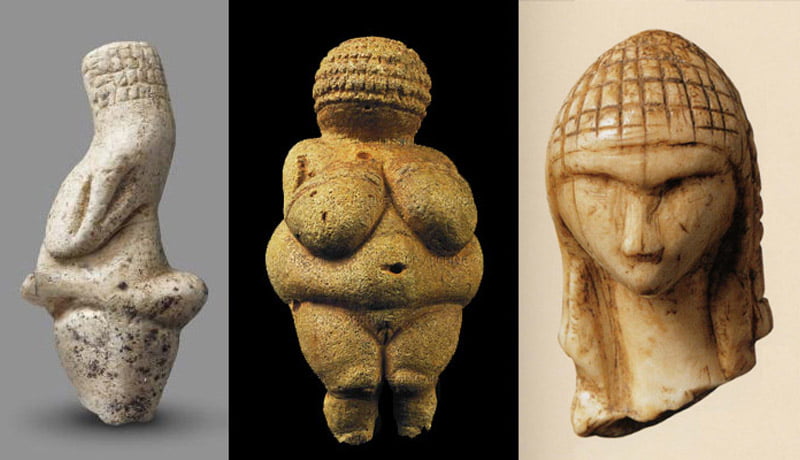
Almost always belonging to female individuals, we do not know whether these hoods were also worn during life. However, similar depictions are also found on the heads of many small statuettes, the so-called "Venuses," dating from the same era. These often feature a grid of incisions on the head that seems to reproduce this very same type of woven headdress: the Lady of Amiens in France (circa 23,000 years ago); the Lady of Willendorf in Austria (23,000–19,000 years ago); the Lady of Brassempouy (27,000 years ago), known precisely as the "Dame à la Capuche" (Lady with the Hood).
According to scholars, these could represent a hairstyle, indicate the lineage of the deceased, or be part of a ritual reserved for specific individuals within the community at the time of their passing. In this sense, the hood would have been a symbol of what these women (and the man from Arene Candide) represented for their community, warranting such an honorable burial. This was not necessarily a sign of power, as these objects have been found almost exclusively worn by women, often mothers, suggesting a deeper connection to fertility, maternity, or a spiritual role.
The Woman of Paglicci and Her Context
Paglicci Cave, located in the Gargano region (Apulia), is one of the most important Paleolithic sites on the continent due to the quantity and variety of the finds uncovered: over forty thousand lithic tools, human skeletal remains, paintings, engravings, and floral and faunal remains spanning the entire Paleolithic period.
During the excavations at the Paleolithic site, several finds have come to light concerning human remains and human occupation. The most evident ones can be attributed to Homo sapiens, while there are indirect clues regarding the presence on site of Homo neanderthalensis and Homo erectus.
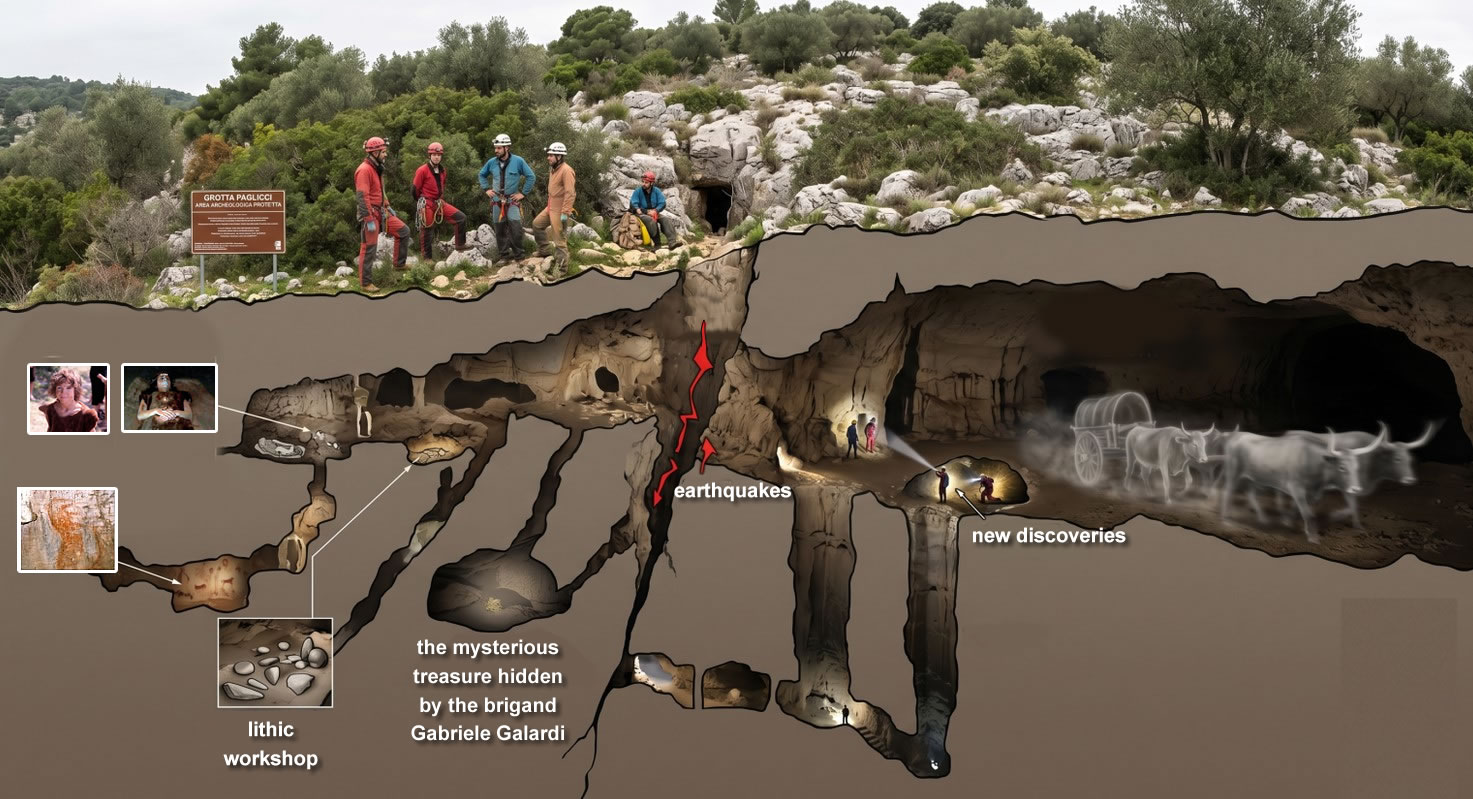
The cave was discovered by chance around the mid-1950s by locals in search of the mysterious treasure hidden by the brigand Gabriele Galardi. He had taken refuge in the cave during a brigand revolt, hiding all the loot amassed over years of robberies and extortion inside. Instead of the treasure, however, they found lithic artifacts. The news captured public attention, and universities began to investigate. This led to the discovery of 146 human bone remains, in addition to the much more famous burials of the woman and the child. Both burials are among the oldest in Europe and featured rich grave goods, numerous ornaments, and were sprinkled with ochre, constituting one of the finds that established Paglicci as a Paleolithic site of international importance.
The Site
Paglicci Cave experienced a troubled history, both due to geo-environmental events and reckless human intervention. In fact, its karst composition and geographical position, fully exposed on a ravine, along with the area's seismic activity, exposed the cave to erosion and landslide phenomena. The site was only saved thanks to the stubborn and tenacious defense by its owners and the intervention of the universities.
The Paglicci deposit consists of a rock shelter and an adjoining cave, dating back to the Paleolithic (therefore datable between 500,000 and 11,000 years ago); to date, over 45,000 finds have been discovered inside.
Paglicci Cave is part of a karst system that includes:
• The external area, once called "il Riparo" (the Shelter), actually an ancient hall frequented during the Middle Paleolithic, whose ceiling later collapsed.
• The "Grotta dei Pilastri" (Pillars Cave) served as the water source for the man of Paglicci. This includes the current entrance hall of the cave, where the main excavation area lies, along with two other intermediate halls, and finally, at the back, the hall and the apse containing the paintings.

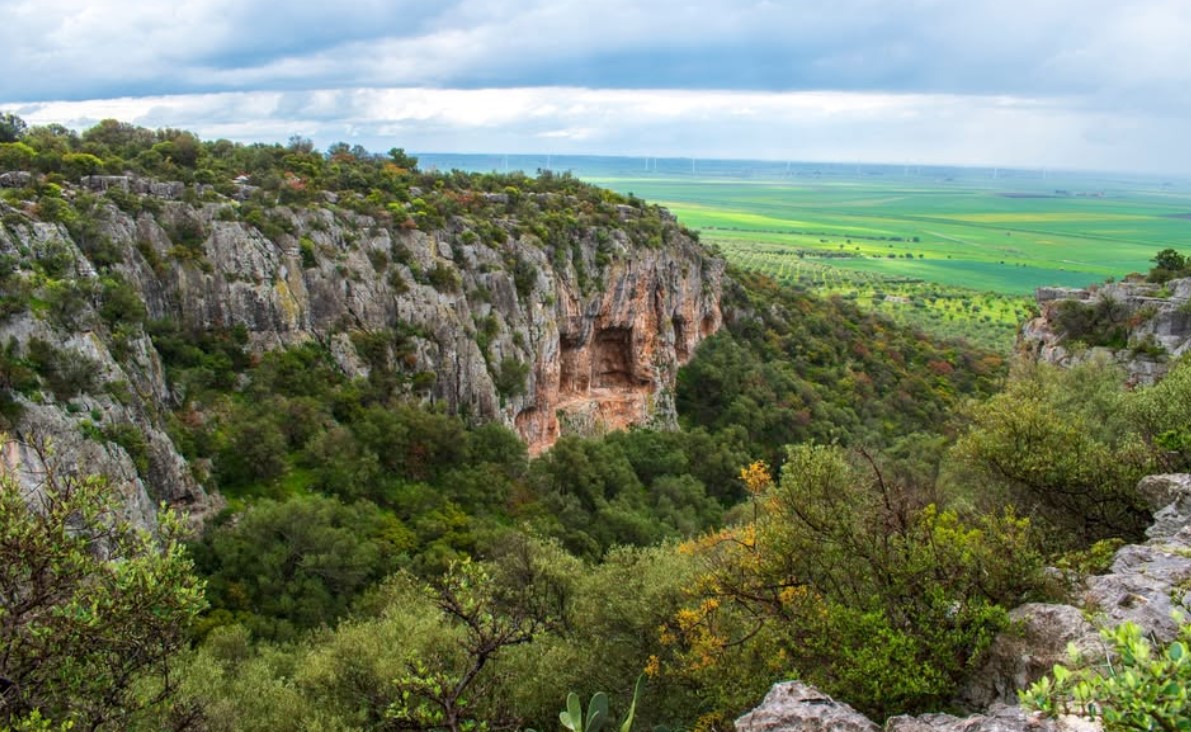
Below lies the Foggia plain, which for long periods must have offered sparsely wooded meadows or steppes; above, the mountain with its rocky cliffs; scrub and small woods likely clustered in the mountain valleys and along the main watercourses of the plain. All these elements can explain the extraordinary richness of the Paglicci deposit, which, despite the local absence of flint, hosted humans for an extremely long period.
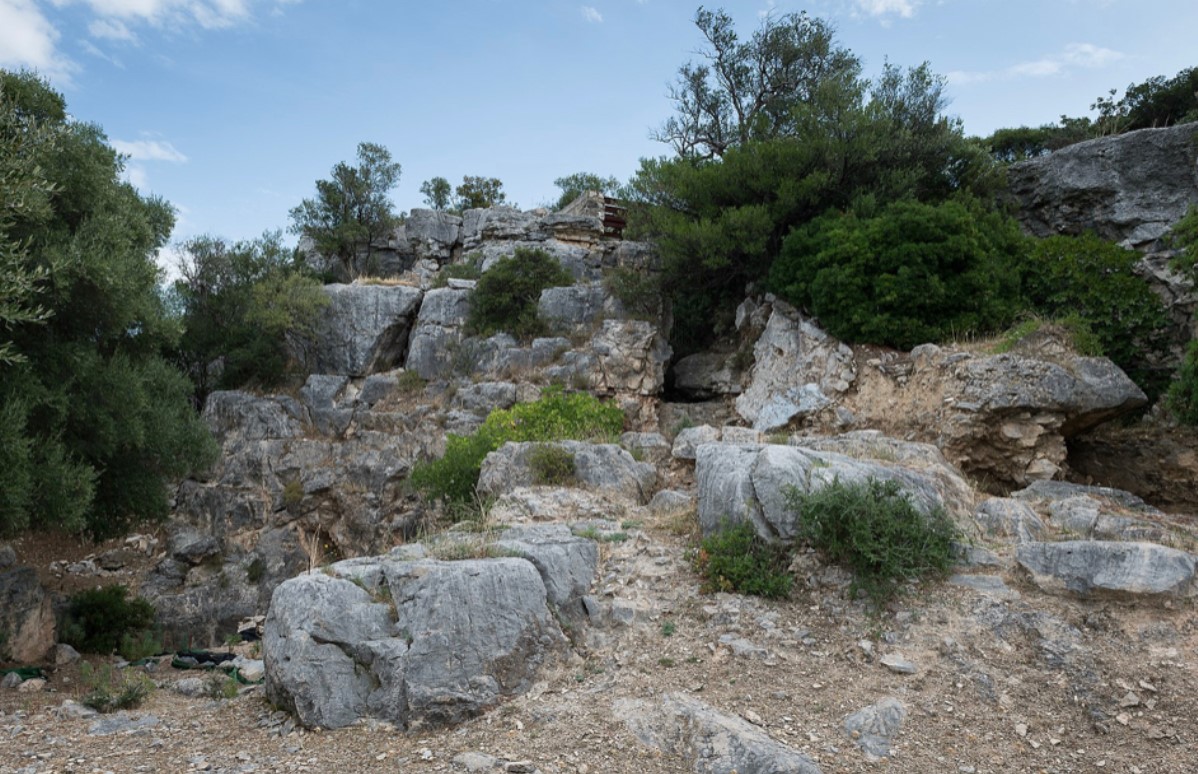
The karst cavities, represented by the so-called "external Shelter" and the adjoining Paglicci Cave, open into the limestone wall just below one of the steps that characterize the western side of the Gargano.
The thickness of the archaeological deposit found inside the cave and in the area in front of it (external Shelter) documents the occupation of the site by various human groups throughout the Paleolithic (from about 300,000 to 11,000 years ago). Of this latter period, which began about 34,000 years ago, all the cultures (Aurignacian, Gravettian, Epigravettian) and their internal articulations are represented.
The external Shelter adjacent to the cave was demolished following subsequent collapses of the ceiling, so its deposit, approximately 8 meters thick, is now completely exposed.
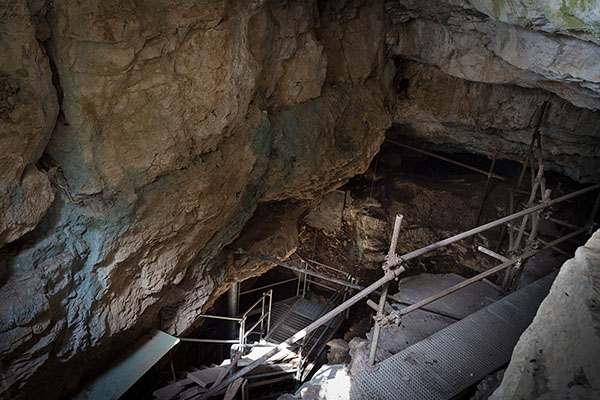
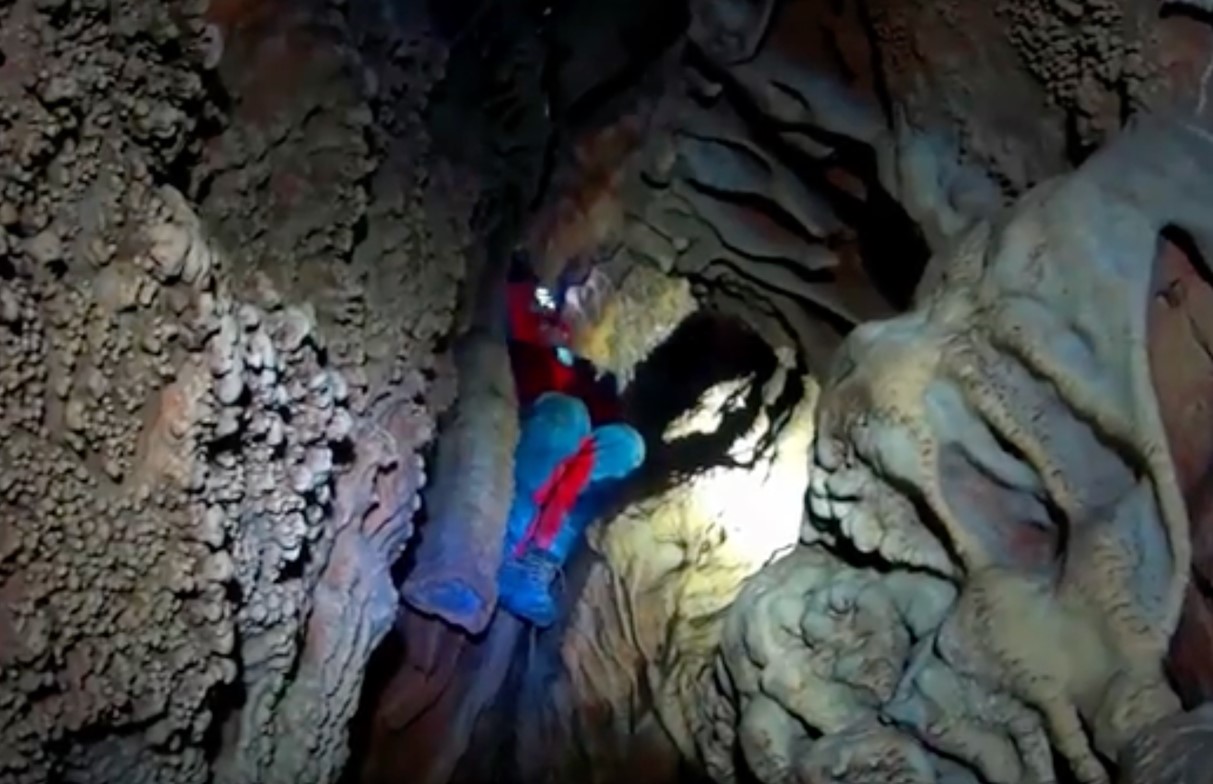
The entrance to the cave was intercepted between large collapse boulders, presenting an access that was obviously different from the original one. With a length of 60 meters, it consists of a large hall, where the archaeological deposit reaches its maximum thickness, and an inner circular hall from which several passageways branch off. One of these allows access to the smaller innermost hall, where Paleolithic paintings are preserved.
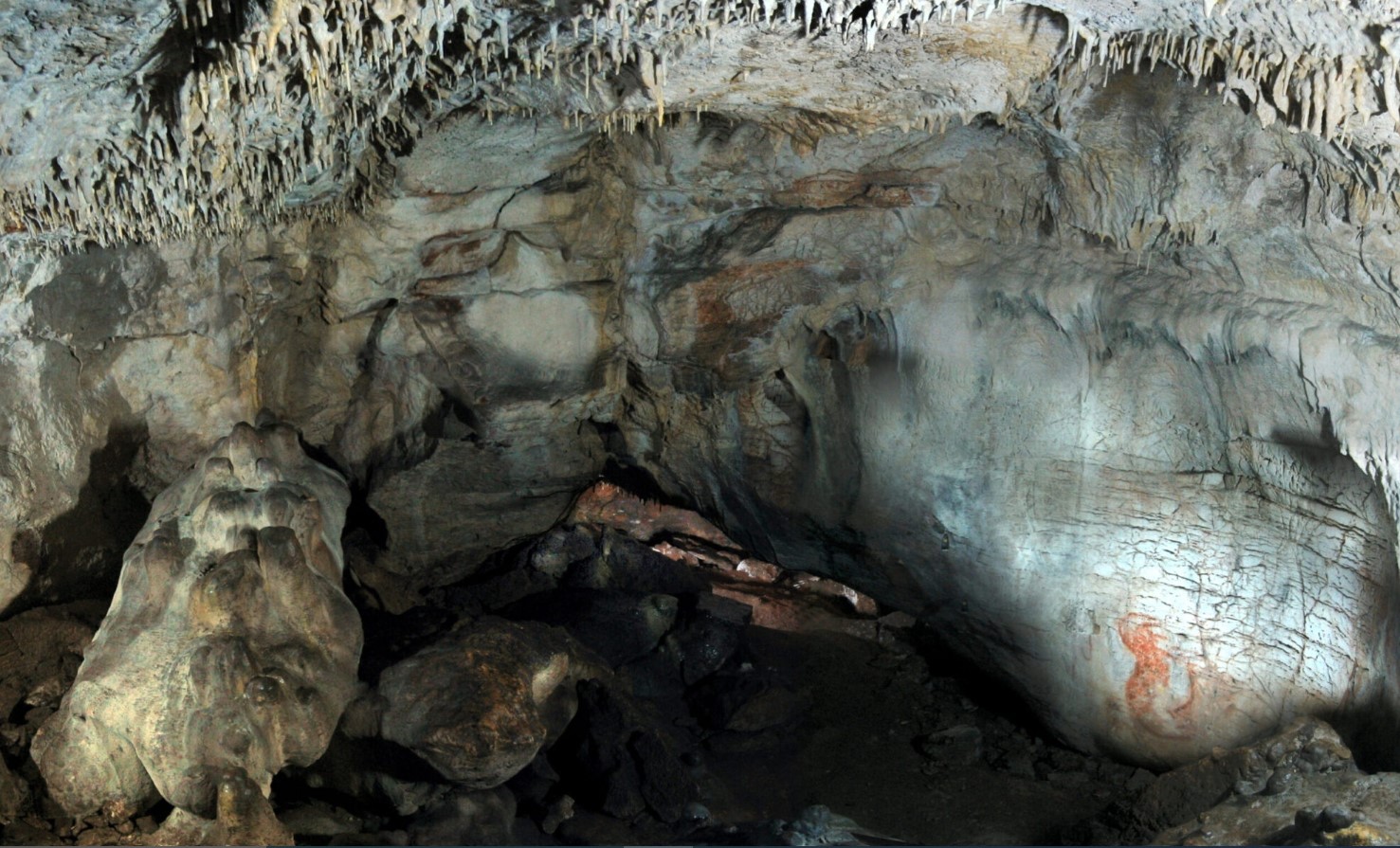
Another passageway, instead, led to a small cavity once filled with water and now inaccessible.
The cave was the site of a wide range of human activities related to both daily life and the spiritual sphere, as evidenced by combustion structures, living floors marked by substantial quantities of meal remains and artifacts, burials, portable art, and parietal art.
Corresponding to the entrance of the cave, a significant quantity of faunal remains is documented in some of the upper layers, while hearths are established on some sandy-clayey floors. Moreover, burials are located on some of these levels. Fire pits, with their associated occupation floors, are also attested in subsequent layers datable to between about 20,000 and 11,000 years ago. Dating back to about 15,000 years ago are some objects of portable art, made on bone and stone and decorated with engraved figures, while several living levels, represented by silty soils on which a series of hearths sometimes rest, date back to between 14,000 and 11,000 years ago.
Finds
In a sequence of twelve meters, finds from the Lower Paleolithic to the end of the Upper Paleolithic were stratified:
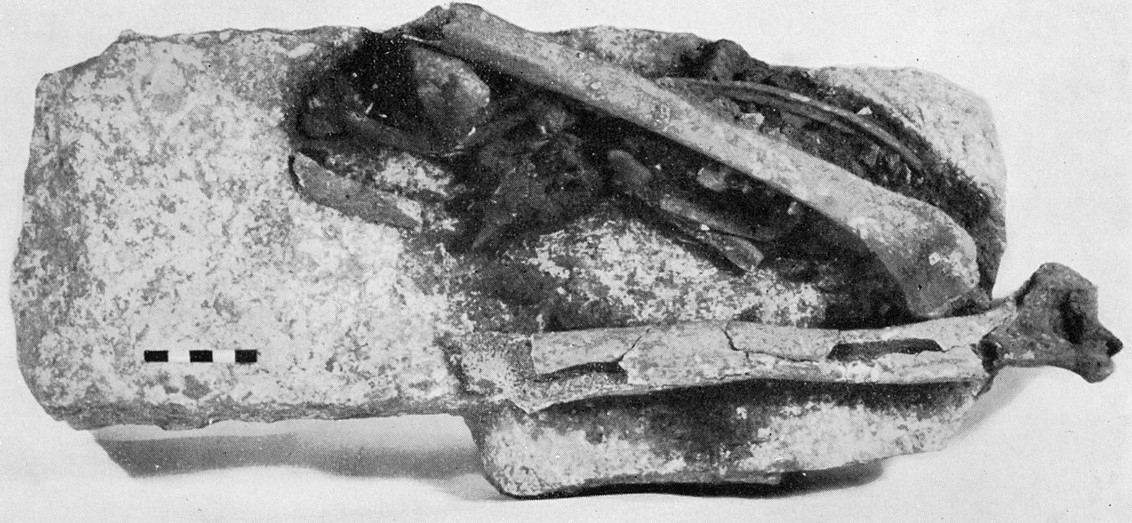
• A partial burial (lower limbs and fragments of the pelvis) and a probably intentional deposit of "relics," both dating back to the final Epigravettian, approximately 17,000 years ago.
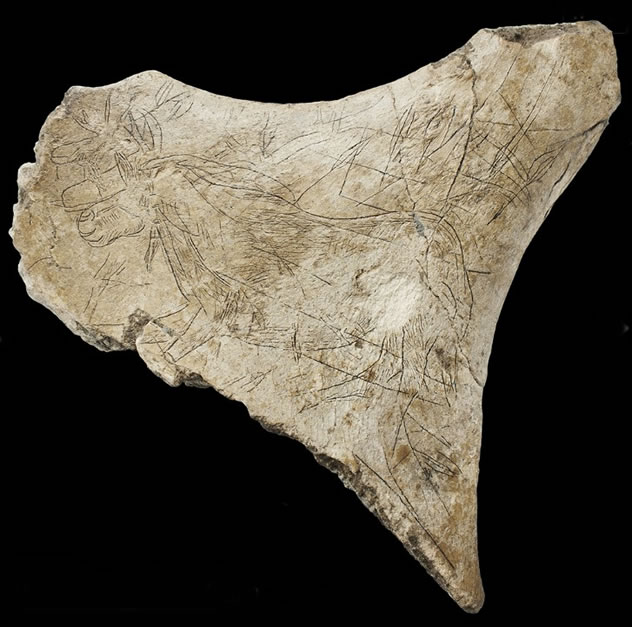
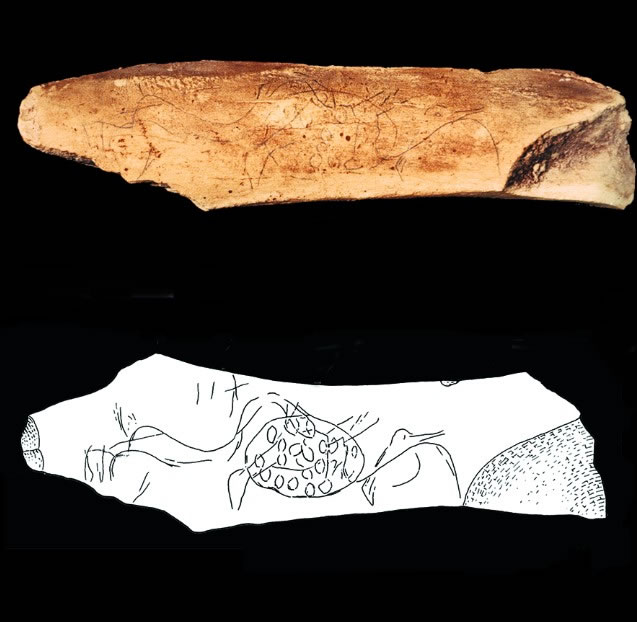
• Some artistic engravings on bone or stone depicting animal subjects, generally aurochs (wild cattle), horses, deer, and birds from the evolved Epigravettian, about 18,000 years ago.
• Another irregularly rounded pebble, measuring 17.6×10.7×6.5 cm, features on one face the head of a bovid seen in left profile, with a square snout, well-defined nose, eyes, and mouth, with the left horn pointing forward while the right follows the other's trend with a broken line. On the same face, other indecipherable signs are superimposed.
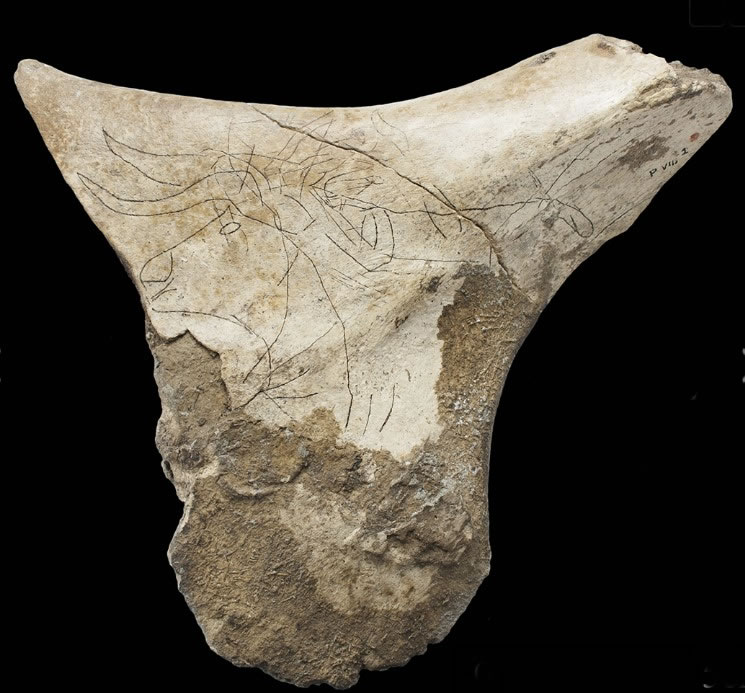
• Another important fragment, dating to about 15,000 years ago, is engraved on both faces with zoomorphic figures; on one side, a lively hunting scene is engraved, with a galloping horse flanked perspectively by two deer followed by a cloud of darts; on the opposite face, the head of an ox with large horns pointing forward is depicted, partially superimposed by the head of another smaller bovid and the profile of a young deer.
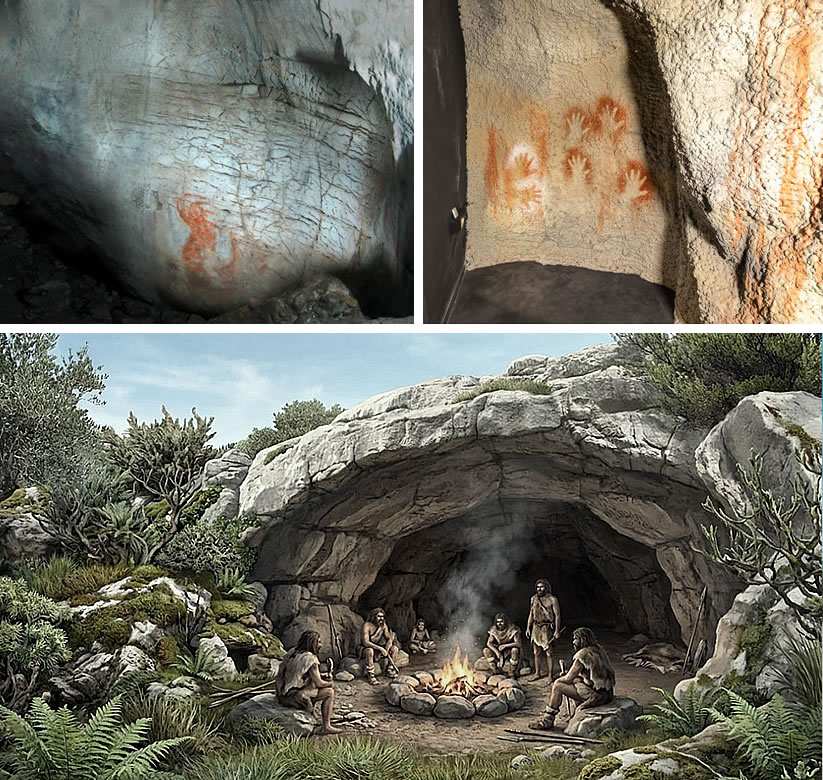
• Extraordinary Paleolithic parietal paintings found in the innermost hall of the cave: hands and horses, perhaps the work of the Gravettians. These can be considered the only certain evidence of Paleolithic paintings in Italy. The survey, conducted in the passageway leading to the chamber, has shown that the upper level of this narrow passage can be placed at about 20,000 years ago, thus providing a date for the creation of the paintings, hypothetically frameable within the preceding Gravettian age.
• Among the finds, also the remains of the oldest domestic dog that lived in Italy (dating back to a period between 14,000 and 20,000 years ago).
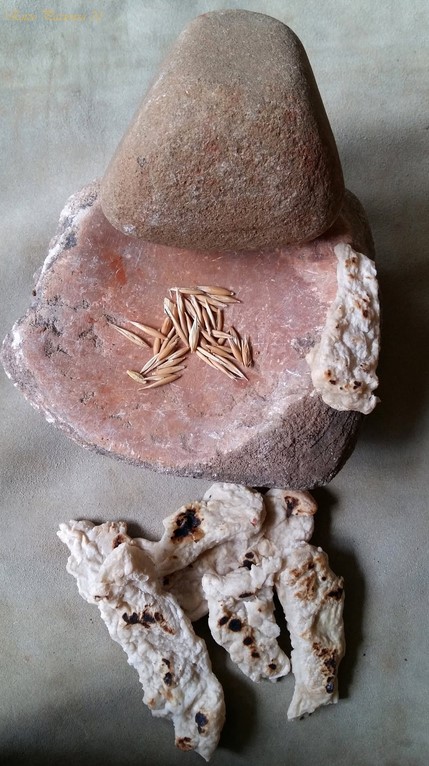
• A grinding pestle with residues of starch grains was also found in the cave. These shed light on the plant component of the diet at that time. Grain analysis revealed that the inhabitants of Paglicci Cave gathered wild grass grains, showing a clear preference for oats. The fact that the residues derive from grass grains and not from tubers and roots, the researchers observe, provides much information about the lifestyle of these populations who, despite being hunter-gatherers, had begun to use techniques for manipulating plant resources; indeed, they obtained oat flour from the grains, dating back to about 32,000 years ago.
The Child
In 1971, at the end of the annual summer excavation season, a human cranium belonging to the burial of an adolescent was discovered in Paglicci Cave at Rignano Garganico (Foggia). Two months later, the burial was fully brought to light and recovered.
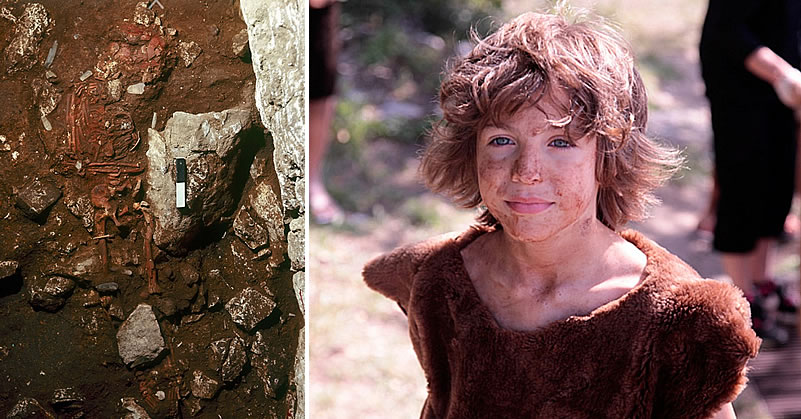
The first burial was located along the southwest wall of the main cave hall, at a depth of about 8 meters from the original walking surface. The deceased, a young individual of about 12-13 years of age, of the Cro-Magnon type, male, slender and tall for his age (estimated between 157 and 165 cm), appeared simply laid on the stony surface and completely covered with a layer of red ochre, lying supine with the cranium facing southwest and feet towards the northeast, parallel to the rock wall. The head was turned to the right and appeared resting on a large stone, a sort of headrest; the right forearm was completely bent over the arm, the left placed transversely across the torso, and the lower limbs extended. Around and above the skeleton, a rich funerary equipment was found, including a "hood" made of perforated deer teeth placed on the cranium, a necklace, a bracelet, and an anklet, each consisting of a perforated deer tooth and a Cypraea shell, along with several lithic tools, all features that find very evident correspondences with the burials of Balzi Rossi and with the child of Arene Candide in Liguria.
The Woman
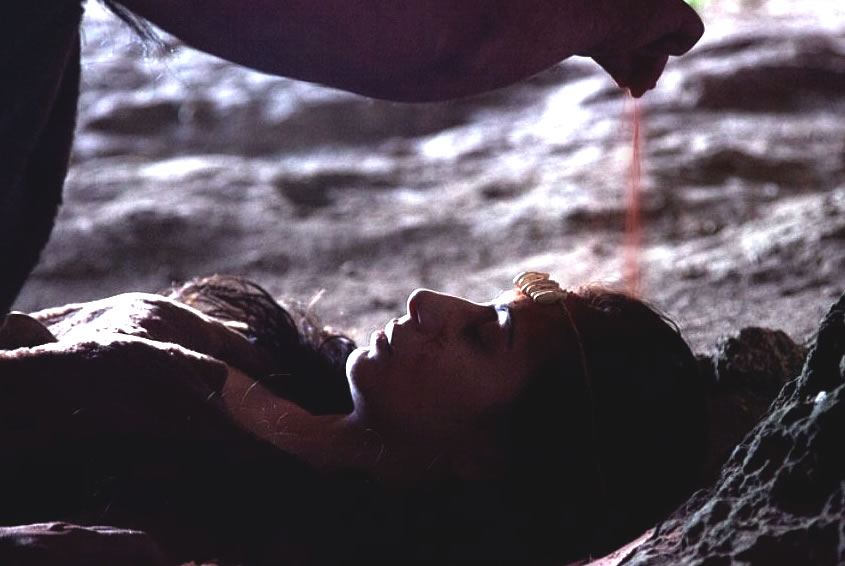
During the recovery of the child's remains, the hip and humerus of another burial were grazed, positioned orthogonally to the first, roughly at the same level, but still under about 6 meters of archaeological deposit. It took almost twenty years to reach this second interred individual, excavating from the overlying layers, down through the Epigravettian and Gravettian deposits. The skeleton grazed in 1971 was that of a young woman who lived in the Gravettian era but after the child.
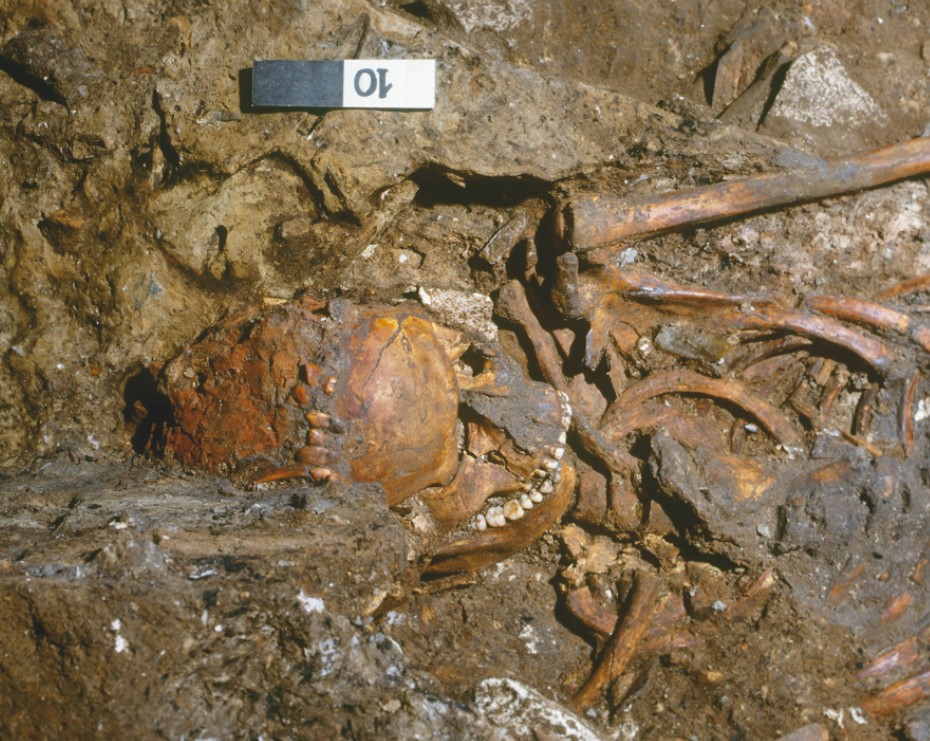
The young woman had a very robust skeleton and a tall stature compared to the standards of current European populations. The interred individual, also of the Cro-Magnon type, lay in a deep pit, in a supine extended position, her head placed in a horizontally carved niche with the cranium tilted to the left, forearms converging towards the median axis of the body, and hands placed on the pubis close to each other, in a posture that recalls that of the two small statuettes of Parabita; of the lower limbs, only the femurs were in an extended position, while the leg bones were out of place due to a probable collapse of the ground.
Interestingly, the pit was widened at the level of the lower part of the body, leaving space laterally to accommodate a newborn (of which no certain traces were found), suggesting a possible death of mother and child during childbirth. The skeleton was covered with abundant red ochre, particularly concentrated around the cranium, pelvis, and feet; added to the ochre was a calcareous layer of white substance, probably the so-called "mountain milk," obtained from the precipitate of cave water.
Perhaps the ochre was used as a sort of symbolic diaphragm, aimed at protecting the burial, or as a seal to prevent the deceased from returning among the living. It is hypothesized that Paleolithic people believed the deceased were capable of having a life analogous to that of the living, with the same needs and customs; and they defended themselves from these by covering them with earth and large stones: a sign of the rejection of death as definitive annihilation, as "eternal nothingness," and perhaps the origin of rites and religious cults also intended to make the unknown world of the afterlife less terrifying.
The funerary equipment was rather simple compared to that of the child, consisting of a single row of seven perforated deer teeth placed on the head corresponding to the coronal suture, like a sort of "diadem"; all seven deer teeth had the perforated root facing forward. In addition to this, there were also a few lithic tools. According to the most recent scientific research, the Homo Sapiens of Paglicci Cave would not have been autochthonous but would have had African origins, and the woman who inhabited Paglicci Cave would be one of the evolutionary mothers of the many Homo Sapiens who later colonized ancient Europe.
The Other Gravettian Burials
The "hood" of Paglicci is not a unique case but is part of a broader phenomenon involving other prestigious burials. The peculiarity of these headdresses and the fact that they are also represented on the statuettes of the Mother Goddess lead us to wonder whether they might not represent the origin of what, in less remote times, was attributed to sacred objects: artifacts capable of connecting a human being with the divine.
• The Woman of Ostuni discovered in 1991. She was a young woman of about 20 years, who died in a terminal state of pregnancy about 28,000 years ago. Her body, carefully laid down, was adorned with a hood of red ochre, shells (Columbella rustica), and deer teeth.
• The Prince of Arene Candide (Liguria, c. 23,000 ya), a young man of about 15 years. His burial, extraordinary for the exceptional richness of the grave goods, features a head surrounded by a hood composed of hundreds of perforated shells.
• The Woman of Caviglione (or of Mentone), discovered in 1872 at Balzi Rossi, on the Italian-French border. Initially mistaken for a man, DNA analysis revealed her to be a 37-year-old mother, who lived about 24,000 years ago. Her burial was characterized by a hood made of shells and deer teeth.