Was the Devil's Well a Neolithic Cult Site?
Mount Venus
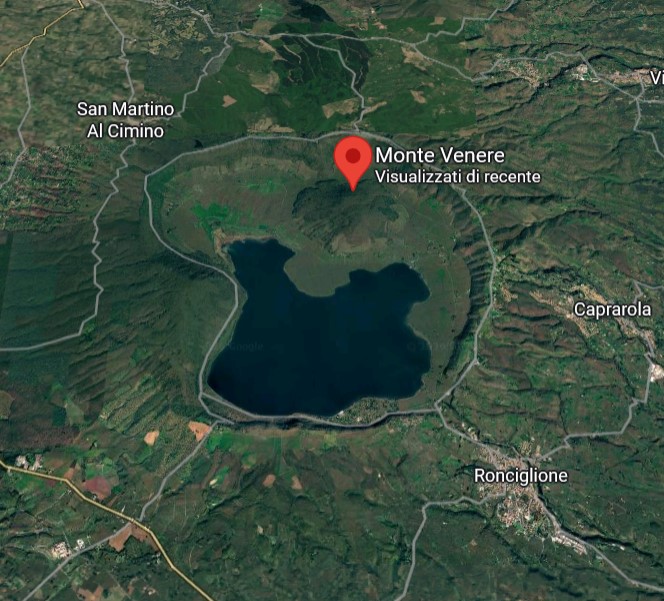
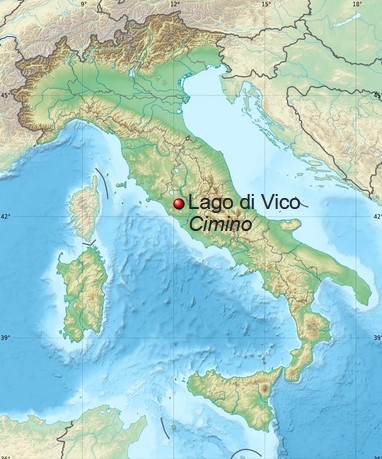
We are in the Cimini Mountains, a mountainous area of volcanic origin that divides the northern province of Viterbo from the southern one. What we see today is the result of a long and intense volcanic activity. First, the Cimino Volcano, located slightly further northeast, and then the Vicano Volcano, where Lake Vico now lies, which began its activity approximately 800,000 years ago.
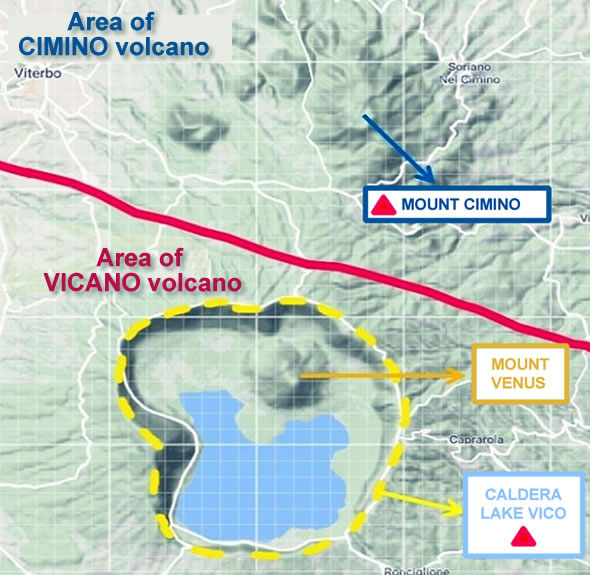
They profoundly transformed the surrounding territory, onto which violent eruptions poured rivers of magma. After a period of inactivity, following the collapse of the Vicano volcano's magma chamber, this volcanic cone (Mount Venus) emerged; after a brief period of activity, it became extinct about 93,000 years ago.
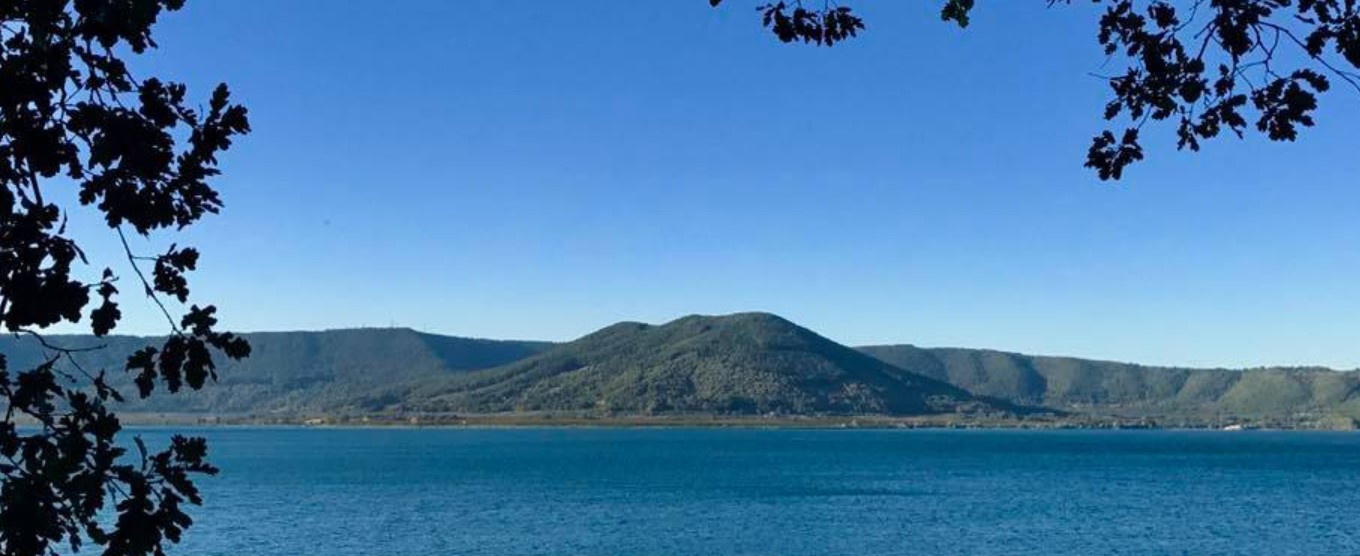
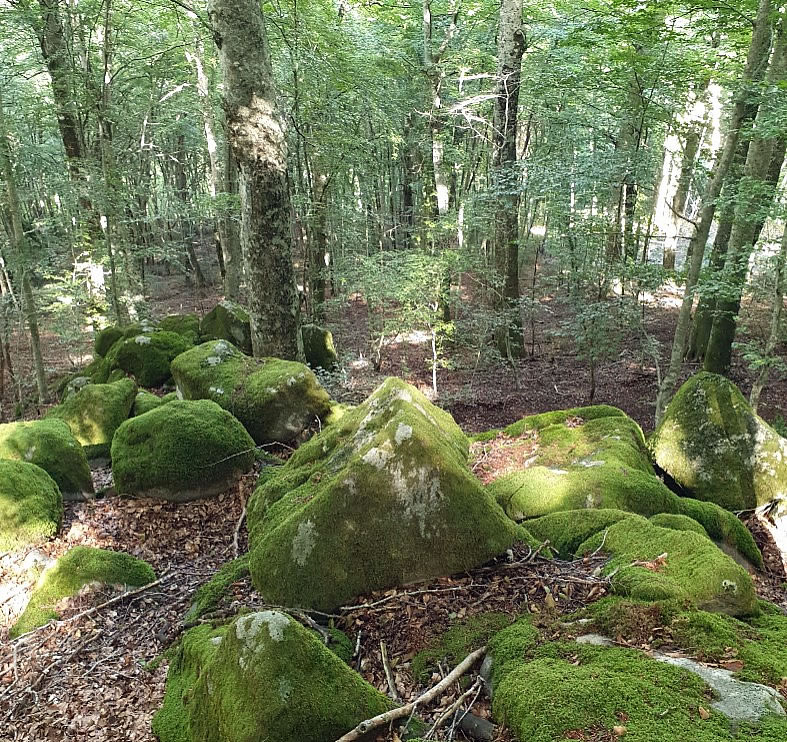
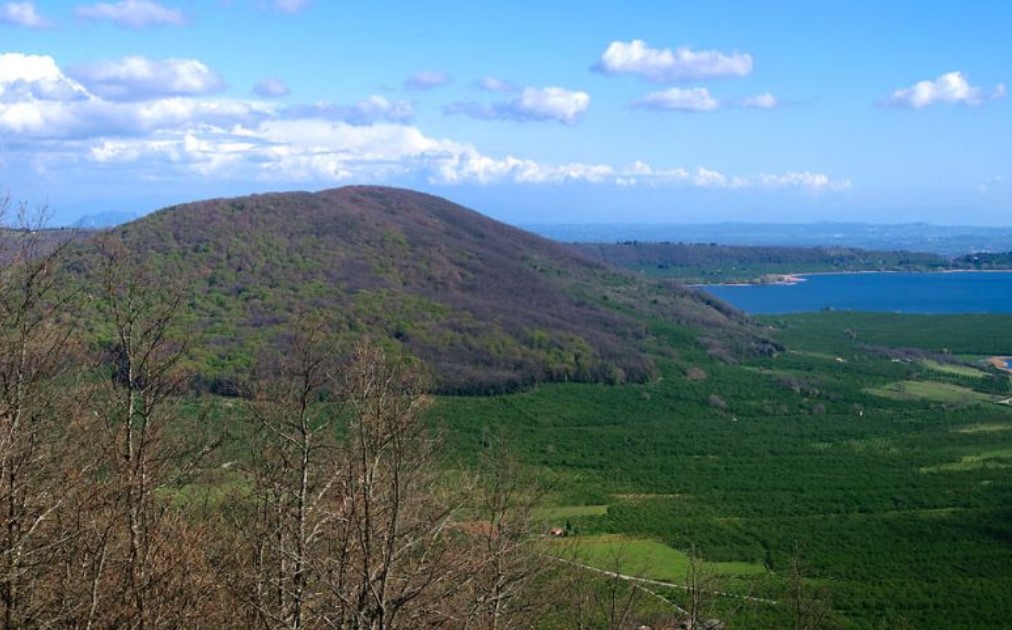
Mount Venus was built in the northeastern sector within the caldera and is a cone-shaped relief about 830 meters high, formed essentially by lava flows. Today it is also called "Monte Trecimole" (Three-Peaked Mountain), because its summit consists of three peaks. Despite the indiscriminate deforestation that occurred over the centuries, it constitutes an extraordinary ecosystem: on the northeastern slope it preserves a splendid beech forest, while on the southeastern slope there are oak woods, fruit-bearing chestnut groves, and hazelnut orchards.
Lake Vico
Also 93,000 years ago, after the cessation of volcanic activity, the volcanic caldera filled with rain and snow from glacial periods, forming Lake Vico.
Today the lake has an area of 12 square kilometers and a maximum depth of 50 meters. Due to the volcanic composition of the soils, its waters have high arsenic levels.
The origin of its name is uncertain: it may derive from the locality of Vicus Matrini—an important center that stood on the Via Cassia about three kilometers away and is also mentioned on the Tabula Peutingeriana—or from a small Vicus that arose in Roman times on the southern shores of the lake basin, Vicus Elbii.
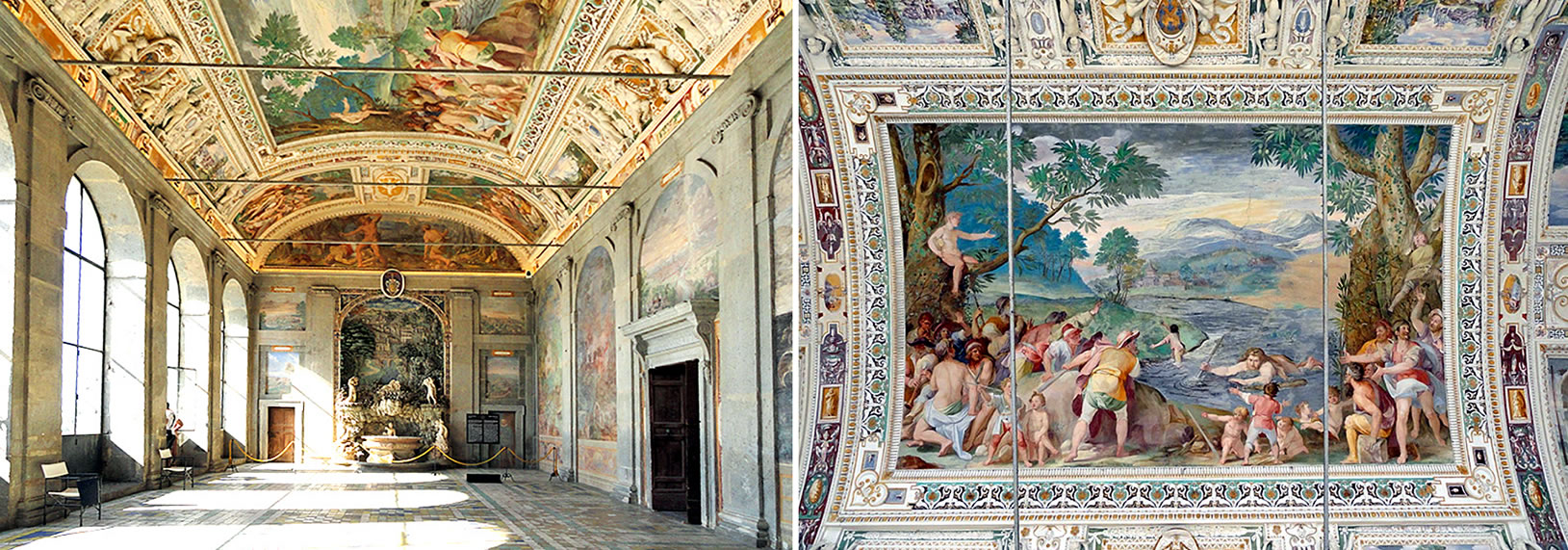
According to the legend reported by the historian Marcus Servius Honoratus (4th–5th century AD), the Ciminus Lacus was created by Hercules with a blow of his club. It is told that Hercules was passing through the Cimini Mountains and, invoked by shepherds complaining about the scarcity of water for their flocks, drove his heavy club into the ground and then pulled it out, causing a great amount of water to gush forth. The grateful shepherds erected a temple in his honor on Mount Venus. The allegorical meaning of the scene is evident: on the pole used by Hercules, the Farnese lily is depicted, attesting to the significant hydraulic works carried out by Cardinal Alessandro Farnese for the benefit of the population.
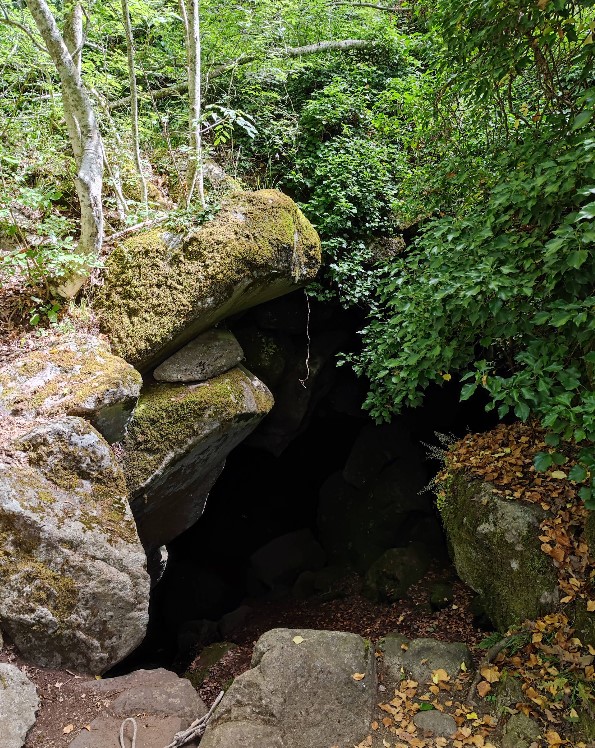
The Devil's Well cavity
Inside Mount Venus lies the Devil's Well cavity, which currently appears to be the only example of a volcanic cavity in the Lazio region, where volcanic phenomena affected a large portion of the territory in earlier times.
The Devil's Well is the largest volcanic cavity in Latium. It opens near the summit of the adventitious cone of Mount Venus at an elevation of 800 meters above sea level.
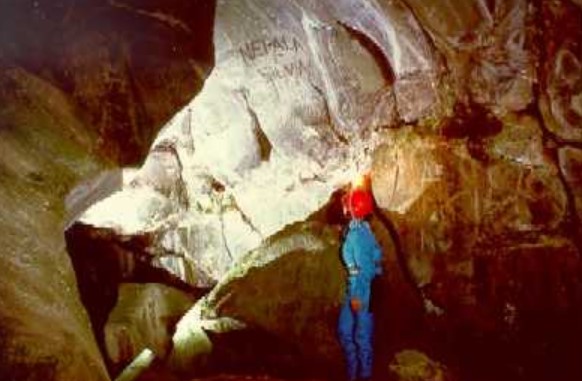
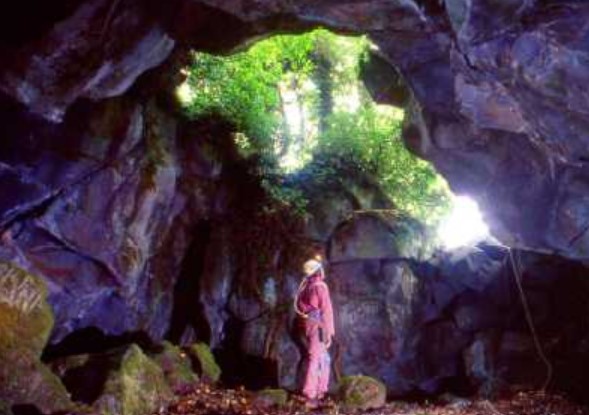
It appears as a small chasm in the ground, where a short drop leads to the first open-air chamber covered with foliage and debris. The cavity appears as a large, sloping collapse chamber, whose floor is covered with numerous loose boulders and slabs, while the vault and walls are smooth, formed by dark basalt blocks with sharp edges. Continuing toward the bottom, one encounters short, narrow passages between chaotic and unstable collapse boulders, until reaching a short sloping section that narrows and marks the end of the cave.
The general conditions of the environment indicate an advanced state of senescence; the original structure is difficult to recognize. The collapse debris, the well-preserved basalt blocks, and the ongoing sedimentation are particular aspects that distinguish volcanic caves. Recent studies and research suggest that the cave, located within the eruptive conduit of the Mount Venus volcanic edifice, originated from the contraction of the magma melt following its solidification.
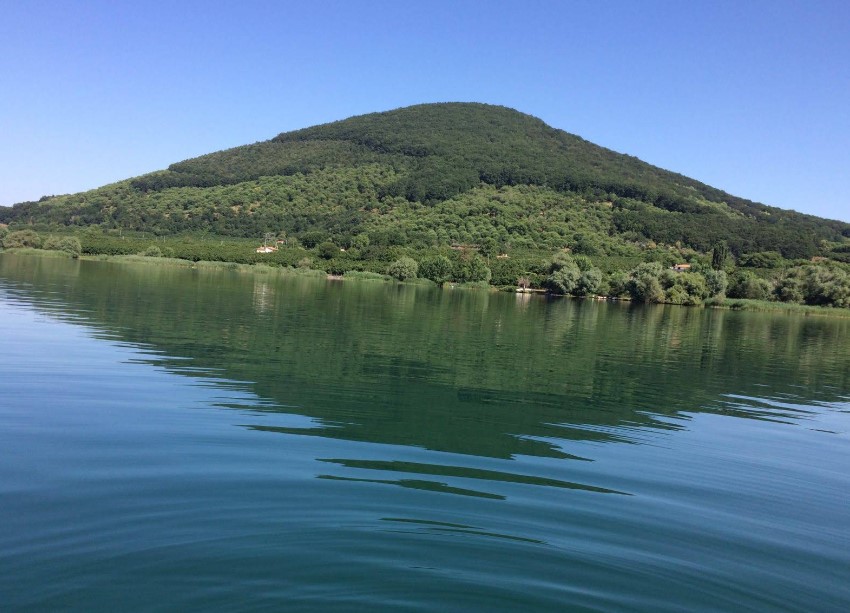
It seems difficult to imagine that Mount Venus was once an island completely embraced by water: in fact, the lake level was significantly higher than today, having been lowered as a result of both Etruscan and 15th-century canalization works.
The Etruscans, famous hydraulic engineers, built an underground emissary to the southeast of the crater basin, where the ridge is thinnest, and channeled the waters downstream, ensuring a constant water supply for agriculture. During this phase, the lake level dropped considerably, and the eastern slopes of Mount Venus emerged.

In the 15th century, the Farnese family began to expand their holdings in the Lake Vico area, taking over control of strategic towns such as Ronciglione and laying the foundations for their great power in Tuscia, which exploded in the 16th century with the construction of Palazzo Farnese in the charming village of Caprarola.
At that time, the most illustrious member of the family was Alessandro Farnese (1468–1549), who became Pope Paul III in 1534. He is remembered as one of the greatest patrons of the Renaissance: for example, his portraits were painted by Titian, and he summoned Michelangelo Buonarroti from Florence, commissioning him to paint the Last Judgment and to design the construction of Piazza del Campidoglio in Rome.
In 1537, Paul III appointed his son Pier Luigi Farnese as "Gonfalonier of the Holy Roman Church" and bestowed upon him the title of "Duke of Castro," granting him full possession and dominion over the ancient holdings, including those between the Tyrrhenian Sea and Lake Bolsena, including Lake Vico.
It was then that the landscape of the lake valley changed radically: the Farnese planned to further lower the lake level in order to bring additional land to the surface for cultivation and to exploit the water drop from the emissary on the other side of the ridge, toward Ronciglione, to power the famous ironworks and paper mills. Obviously, this gave a great economic boost to the region.
Neolithic Occupation and Cultic Interpretation
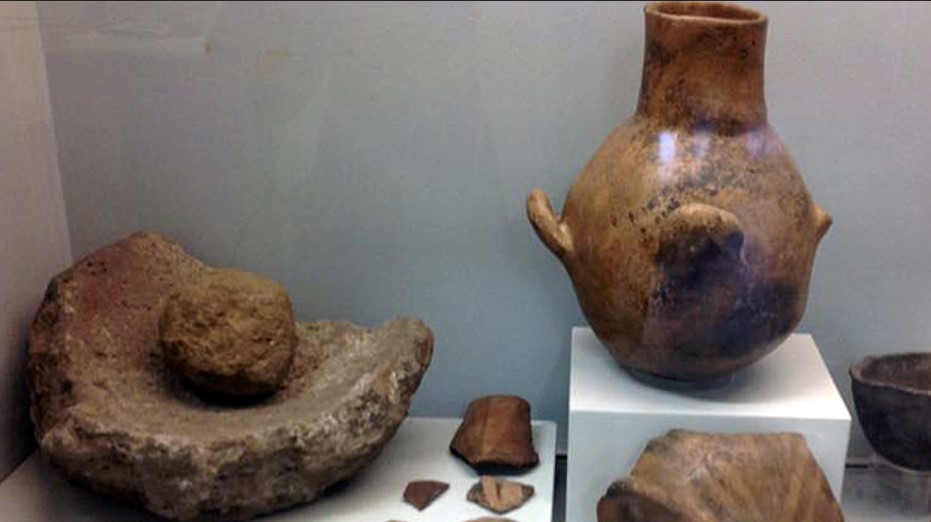
During the Neolithic period (5th millennium BC – 4th millennium BC), Mount Venus was an island in Lake Vico, covered by dense forest with an inexhaustible water supply and abundant game. Inside the volcanic cavity known as the "Pozzo del Diavolo" (Devil's Well), artifacts dating to approximately 5,400–4,000 BC were recovered. Even then, the cave entrance was obstructed by a collapse—still visible today—of large boulders that had detached from the vault, making access and frequentation difficult. If we also consider the difficulty of reaching the mountain, surrounded by water, it is reasonable to assume that the cave was used for ritual purposes.
The objects recovered inside included distinctive ceramic wares (which gave their name to a peculiar Neolithic pottery facies, employing the so-called "reserved slip" technique, known specifically as the Mount Venus style) and artifacts very similar to those produced in the Adriatic region during the same period, testifying to the dense network of exchanges and contacts that existed since the Neolithic. It can therefore be hypothesized that the island's inhabitants frequently traveled away, perhaps for hunting or trade, using boats—a theory that may be supported by a site near the locality of Canale (Channel), where a tufa bank that could have served as a landing place is found, along with various rooms entirely carved out of tufa.
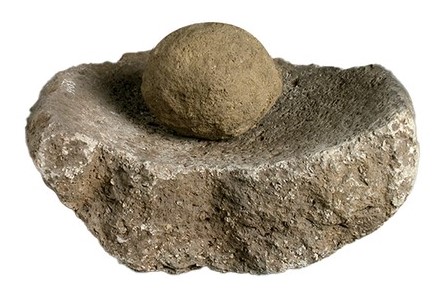
The presence of grinding stones—also found in other Latium caves frequented during the same period—attests to fertility cults in societies with a strong agricultural component. Many of the vessels found are characterized by incised shapes and decorations (Sasso style), while among the findings a particular class of vessels stands out, made with light clay fabrics and painted with brown decorations (angular bands on the body and sometimes solid triangles on the neck) executed using the Mount Venus style technique.
All this suggests that a deity linked to the fertility of the earth was probably venerated in the cave, to whom food and miniature terracotta vessels containing it were offered.
The Deities
Over the centuries, primitive peoples depicted their deities in animal forms or human likenesses, made of clay or bone. In each of them they saw the presence of a "spirit"—good or evil—that symbolized protection, health, death, and happiness. They attributed to them the power to govern the world and their own lives.
Evidence of ritual practices and religious thought, already present in earlier periods, offers from the Neolithic onward an extraordinary richness and variety of expression. Manifestations of the sacred are documented not only in burials but also in numerous other forms, including female clay figurines found in settlements, connected to a probable fertility cult.
Woman, as mother, was held in high regard because fertility was considered a divine work. Indeed, during archaeological excavations, numerous statuettes depicting the goddess of fertility, protector of mothers (lithic Venuses), have been found.
The Cult of the Dead
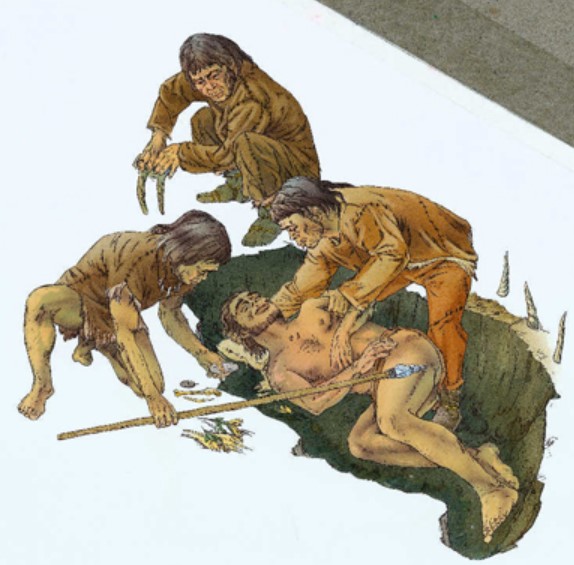
During the Paleolithic period, death was experienced as a non-definitive experience, akin to sleep. Unlike animals, loved ones were given a dignified burial: in pits dug into the ground, in artificial rock-cut cells, and in natural caves. In all these tombs, objects that the deceased had used during their lifetime were placed: weapons, tools, and even food.
During the Neolithic, in addition to the deceased's social status, the various elements characterizing a burial allow us to assess beliefs about the afterlife: the funerary rite adopted (inhumation or cremation), the type of deposition (individual, multiple, or collective), the funerary structure (natural or artificial cave, megaliths), the position of the body, the presence of alterations or disturbances to the bones, the presence of personal grave goods or offerings, and their abundance.
In the earliest phases of the Neolithic, burial often took place within the settlement itself, sometimes beneath individual huts. Later, a specific area was reserved for the dead—the necropolis ("city of the dead")—usually located not far from the inhabited area.
Places of worship
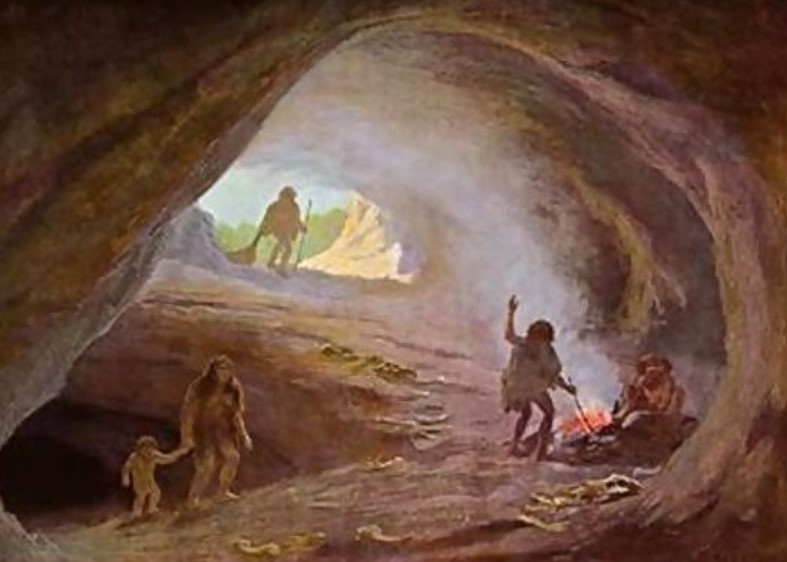
In the Paleolithic, caves were the first "temples" where primitive peoples celebrated their rites. In the Neolithic, they also sought out places such as a green clearing in the middle of a forest, a hilltop, or a strange object that captured their imagination, like a large tree or a solitary rock in the middle of the plain. Here they built stone altars and carved cupules (small cups) into the rock, into which they poured milk, water, fruit, cereals, and the blood of sacrificial victims.
There were also other sacred places, such as springs and watercourses, and megaliths (dolmens, menhirs, and cromlechs).
In Italy, most cultic manifestations are attested inside caves: these include, for example, wall paintings and/or human skulls arranged within stone circles, sometimes together with animal parts or small accumulations of cereals; the latter, deposited in vessels or in small pits, can be interpreted as offerings in the context of agrarian cults. On other occasions, the presence of offerings near springs or inside caves with dripping water suggests a specific water cult.