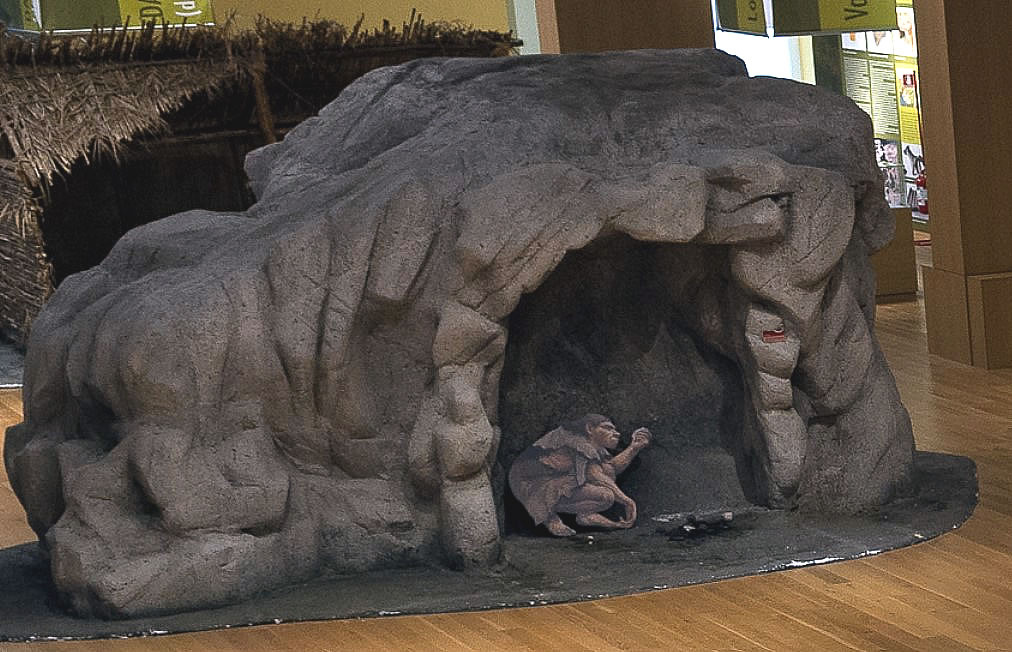
Where was the oldest human remain on the Italian Peninsula found?

In 2014, the oldest human remain in Italy was believed to be the one discovered within the archaeological strata of the Isernia La Pineta site, dating back to approximately 600,000 years ago. It is an upper left deciduous incisor belonging to a child who died at around 5–6 years of age, having lived only a short time within that small community of Heidelbergensis.
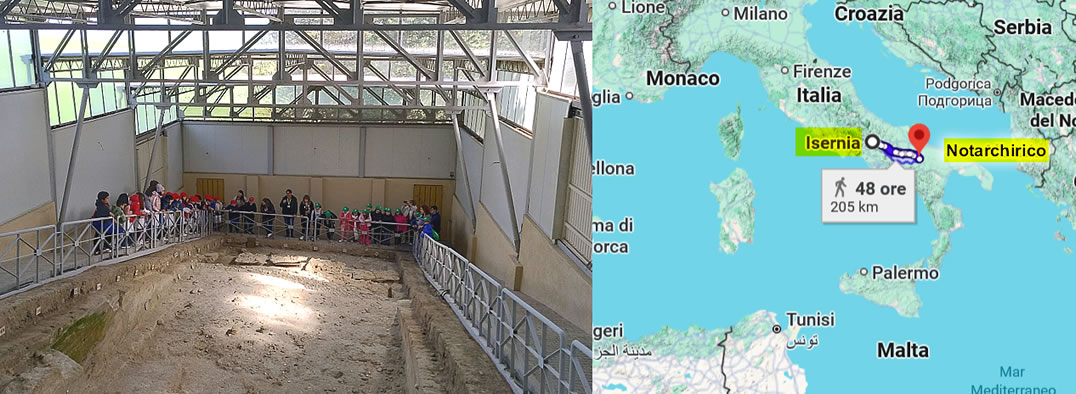
However, two years later, excavations carried out by an international team of researchers, led by the National Museum of Natural History in Paris, suggested that the site of Notarchirico (Venosa, Potenza, Basilicata), located less than 200 km from Isernia, had already been frequented 700,000 years ago by individuals of the species Homo heidelbergensis. They also proposed that a femur fossil discovered in 1985, reanalyzed with the most advanced scientific techniques, belonged to an adolescent of the species Homo heidelbergensis who lived between 661,000 and 614,000 years ago.
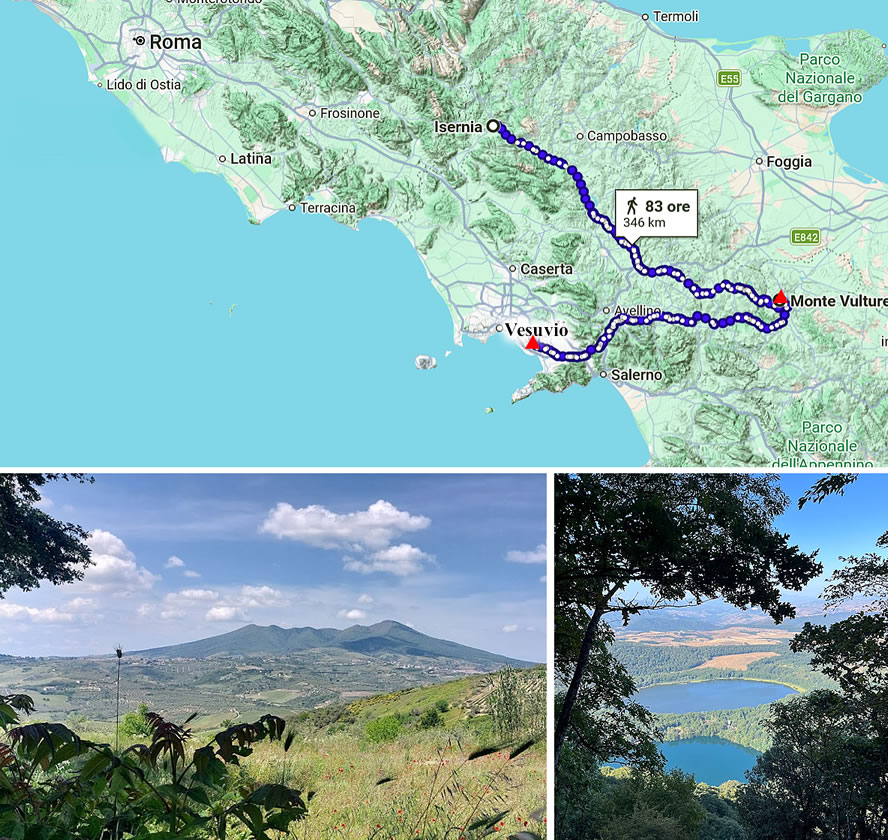
Mount Vulture is an extinct volcano located in the northern part of the province of Potenza, in Basilicata. Rising to 1,326 metres, it remained active until approximately 130,000 years ago, with long periods of quiescence. Secondary volcanic phenomena also occurred in more recent times, up until 1820. At an elevation of about 660 metres above sea level, two volcanic lakes occupy the main crater of the volcanic edifice that existed during its final phase of activity.
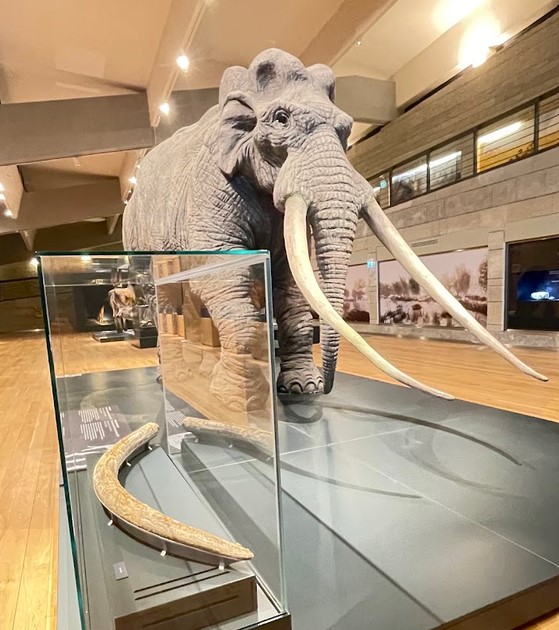
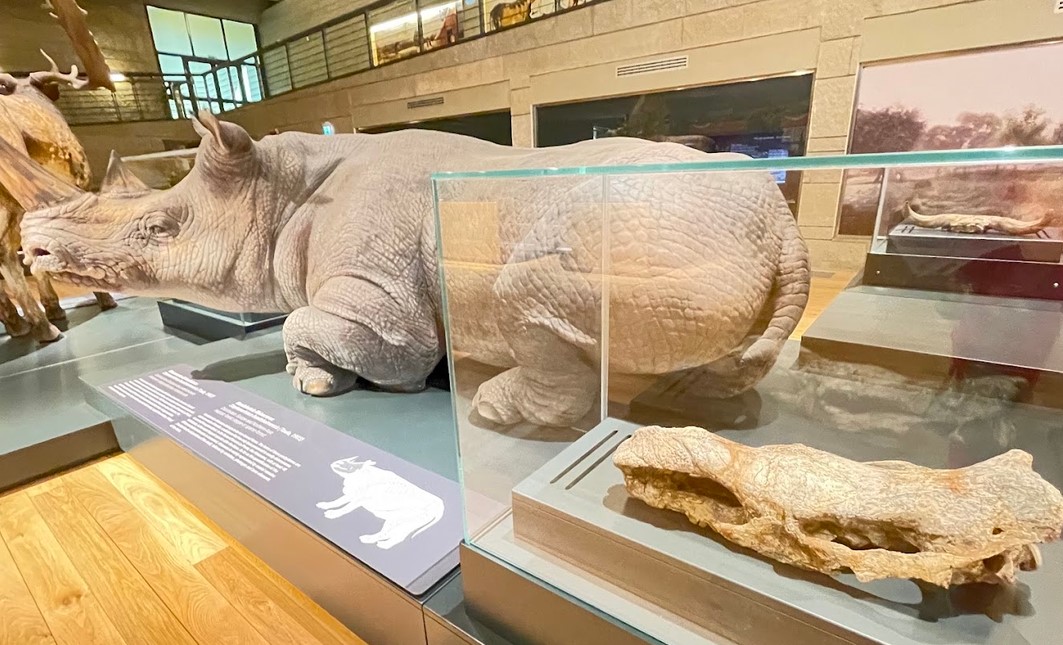
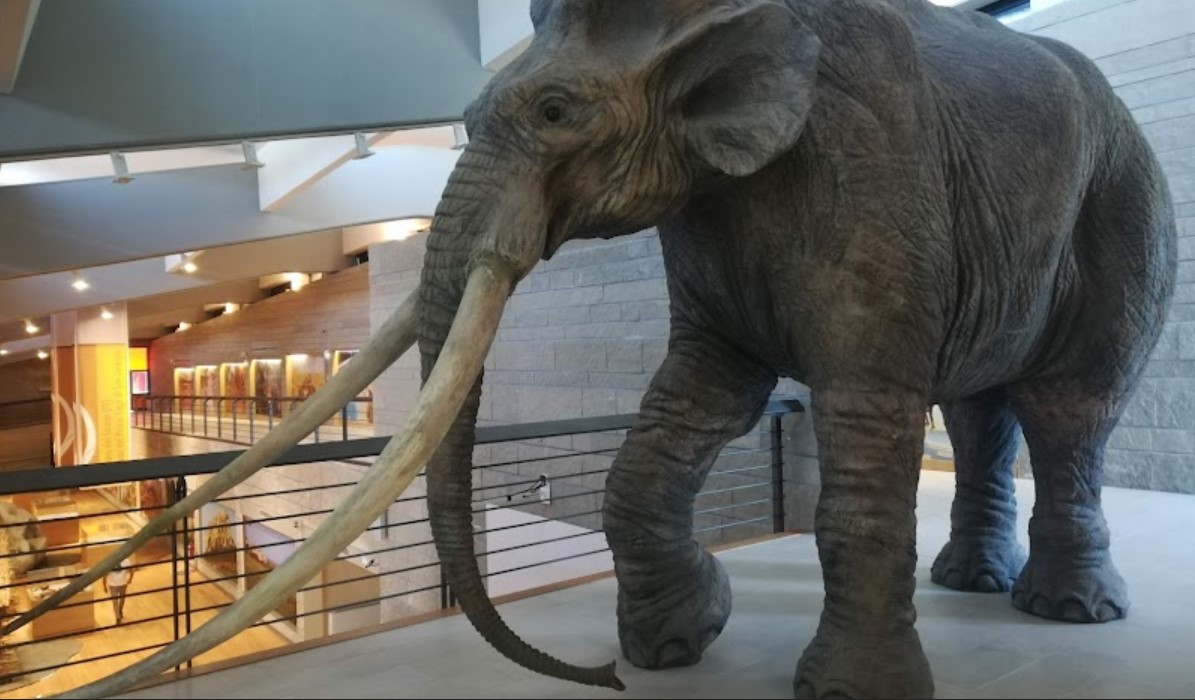
Dating back to the period of its activity, the Notarchirico site features as many as eleven stratigraphic levels, resulting from the rapid accumulation of ash. Remains of bison, aurochs, and an entire elephant skull are visible, accompanied by bifacial tools used for butchering. A female human femur of Homo erectus has also been found here—a unique discovery in Basilicata. The site is characterized by the presence of numerous stone tools, including several bifaces among the oldest ever found in Europe, as well as the remains of large animals such as elephants, bison, oxen, and rhinoceroses belonging to extinct species, deposited at the site either by water or by hunters.
These discoveries are extraordinary because they document a prehistoric phase about which currently nothing is known in Europe. It must be considered that human remains in Europe older than 600,000 years are not common. The most famous are the finds attributed to Homo antecessor (Atapuerca, near Burgos, Spain), which cover a chronological range between 1.2 and 0.7 million years ago. Apart from the human mandible found at Mauer in Germany, dated to about 600,000 years ago, in Italy these represent the first human remains attributable to Homo heidelbergensis.
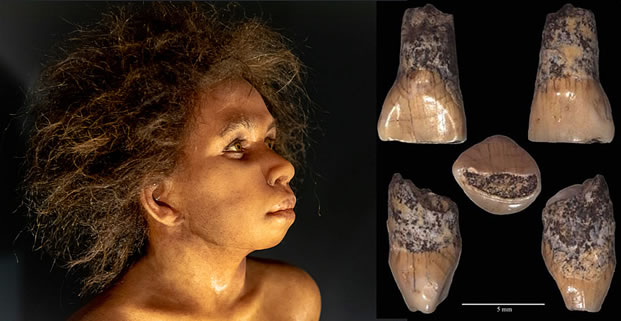
We know that the deciduous tooth of the site of Isernia La Pineta, barely seven millimeters in size, shows considerable wear on its surface, a sign that the child followed a tough, fibrous diet. From the finds excavated at the site, paleontologists know that meat intake must have been considerable, given the quantity of rhinoceroses, bison, elephants, deer, and other species found in the deposit within the soil frequented by this human community. However, it cannot be ruled out that they also made use of fruit, seeds, and tubers.
The little tooth did not fall out naturally, because it still has its complete root, not resorbed, demonstrating that the child died, and the tooth came loose only in later times. At that time, infant mortality rates were very high. Determining the infant's sex is not possible because the specimen is too small to carry out DNA sampling.
How did Heidelbergensis children live in prehistory?
Fossil footprints dating back 700,000 years, found at the site of Melka Kunture (in the upper Awash Valley, Ethiopia) in 2018, tell us that playing with sharp tools and watching the butchering of the evening meal were part of everyday life even for very young children. The footprints belong to adults and children of Homo heidelbergensis and are found next to many animal tracks (ungulates, other mammals, and birds) gathered around a muddy pond. Stone tools and the remains of a butchered hippopotamus were also found at the site. The entire scene was covered, and has been preserved to this day, by a layer of volcanic ash that settled over the tracks shortly after the passage of humans and animals. Some footprints belong to children one or two years of age, with their feet in the mud while adults were engaged in other activities. This suggests that the young accompanied adults in their daily activities, first as onlookers and – progressively – as helpers, just as in some modern hunter-gatherer societies, where children contribute to herding activities or help their mother care for younger siblings.
The position of the footprints also suggests that children were allowed to familiarize themselves with stone tools, practicing on smaller pieces of animal carcasses, while staying aside as the adults, a little farther away, were occupied with subsistence activities. The school of survival began early, and there was little time to be children in the modern, Western sense of the word.
Homo heidelbergensis
Homo heidelbergensis appeared in Europe starting from 700,000 years ago and lived until about 200,000 years ago in Africa, Europe, and possibly Asia. He was the ancestor of the Neanderthal, which disappeared from Europe about 40,000 years ago, eventually making way for Homo Sapiens.
Homo heidelbergensis was the first human species to live in colder climates. He had a short, broad body, likely an adaptation to heat conservation. This species lived at the time of the earliest definitive control of fire and was the first to build shelters, creating simple dwellings of wood and rock. Furthermore, he was also the first hunter of large animals. Fossilized bones of wild deer, horses, elephants, hippopotamuses, and rhinoceroses with butchery marks have been found alongside sites with Homo heidelbergensis fossils. Evidence of this also comes from the wooden spears found at the site of Schöningen, Germany.
Although his appearance might seem seemingly primitive, in reality Homo heidelbergensis was much more similar to modern humans than once thought, and also from a cognitive point of view, he possessed extraordinary abilities, especially considering that he was the first human species able to successfully hunt the European mega-fauna.
In other areas of Europe, his remains have often been accompanied by findings of some of his prey – such as deer, horses, elephants, hippopotamuses, and rhinoceroses – which almost always showed signs of butchery. A clue as to how he had begun to exploit prey not only for meat but also to obtain antlers, claws, and furs.
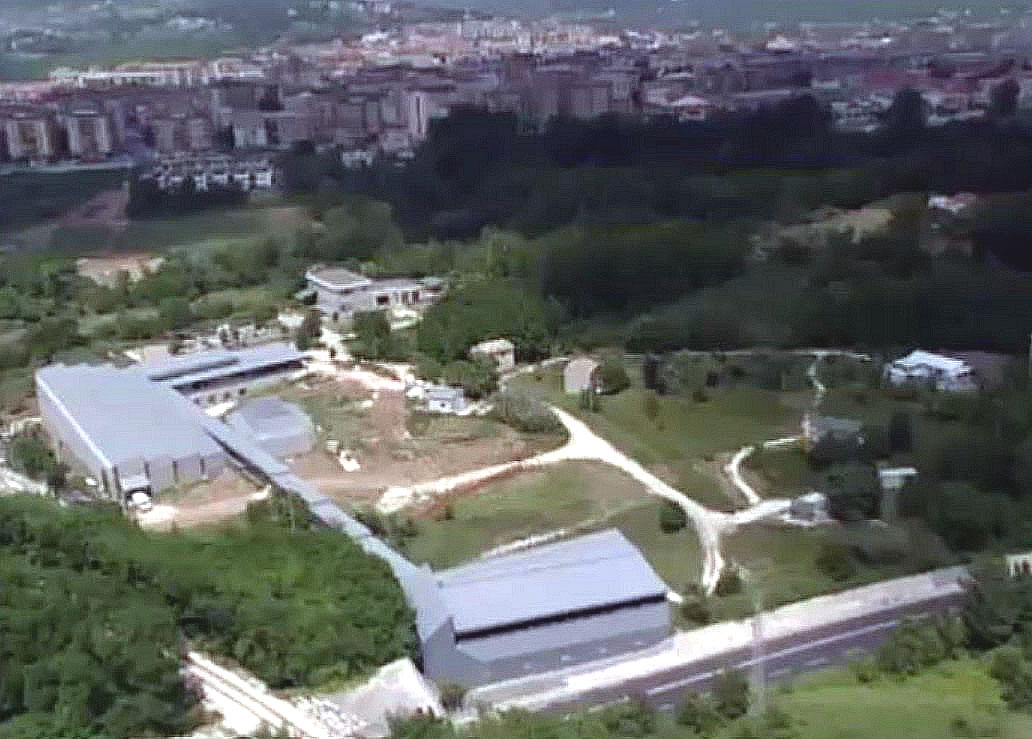
Among the earliest documented Paleolithic settlements in Europe is an exceptional Paleolithic bone deposit in Molise, near the city of Isernia, in the locality of La Pineta, discovered by chance in 1978 and from 1979 during excavations for the construction of a major highway.
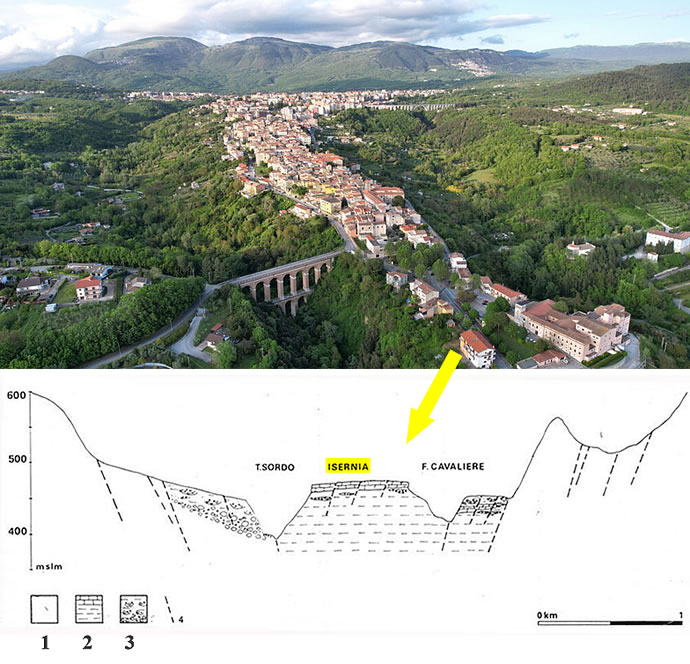
The basin on which the town of Isernia currently stands, in the heart of the mountainous formations of the Apennines, is the site of a small lake basin, fed by the Carpino River and large springs responsible for the origin of substantial travertine formations.
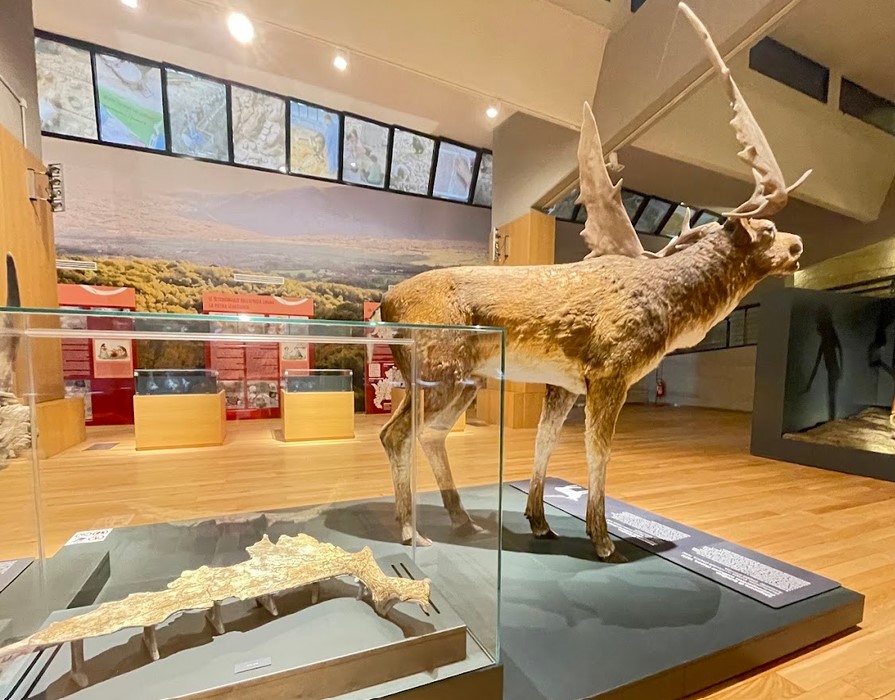
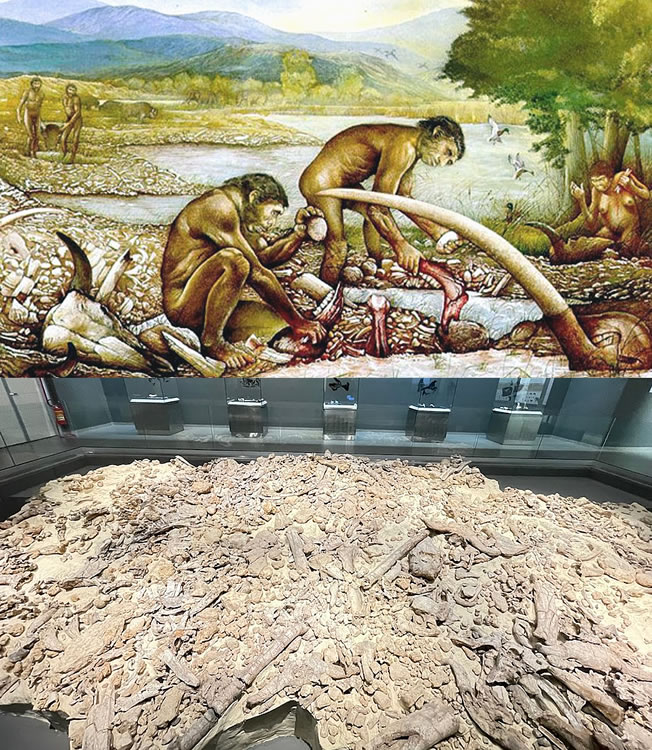
Approximately 700,000 years ago, in the grassy savannahs, along the shores, in an exotic setting, besides bison, elephants, and hippopotamuses, lived Paleolithic men who were hunters and gatherers of spontaneously growing vegetation. They were nomadic or semi-nomadic, organized into small family-type bands, probably composed of no more than 15-20 individuals. These were very likely patriarchal societies, with a clear division of tasks along gender lines: women were responsible for gathering plants and men for hunting. Their preferred prey was bison, but the men of Isernia did not disdain other fauna such as elephants, rhinoceroses, bears, megaceros, hippopotamuses, and wild boars. All animals of which we now find massive accumulations of bones in the deposit. Those of bison, after being stripped of meat, were intentionally fractured to extract the nutritious marrow.
Along the shores of the lake and river, there were abundant flint slabs that were knapped to make tools. The sharp flakes produced from flint slabs about ten centimeters long were sufficient to butcher an entire bison.
It cannot be established with certainty how long these hunters stayed in the locality of La Pineta, how many they were, or what kind of activities they practiced.
Lithic artifacts and bones of hunted prey extend over particularly extensive surfaces of several tens of thousands of square meters. That they might have been very numerous groups is highly unlikely, just as it is unlikely that they stayed for prolonged or even permanent periods at the same site.
The explanation that now seems most reasonable is that they returned cyclically, on multiple occasions, to the same area which, for reasons related to the procurement of raw materials and water, and perhaps for particular aspects of hunting strategies, must have offered specific advantages.
Clear evidence that they returned on multiple occasions to the same site can certainly be found in the vertical distribution of the evidence: the phases of Paleolithic settlement of the area are documented by a stratigraphic succession of at least four anthropogenic horizons. The Paleolithic people settled for the first time on the large travertine bank, leaving behind numerous artifacts made of flint and limestone and the osteological remains of their prey.
A flood of the river covered these first traces with a thick layer of lacustrine silt. Above the silt, the prehistoric people soon returned to settle, leaving other traces of their passage.
This time, a flow of volcanic mud covered everything, sealing the precious finds and preserving them from destruction. The sanidine and biotite crystals present in these volcanic sediments can be dated using the Potassium/Argon method, indicating an age of 736,000 years c. 40,000. The prehistoric people returned a third time to the area, settling above the volcanic sediments, leaving behind numerous lithic artifacts made of flint and limestone, and some osteological remains, mostly of small size. Once again, the evidence was sealed by the accumulation of new fluvial sediments.
A fourth phase of settlement in the area is documented in the southernmost part of the deposit and is characterized by a very high concentration of artifacts, made exclusively of flint, and scarce, small-sized osteological remains. This last group of evidence has proved to be of particular interest, both for the probable presence of traces of the use of fire (the oldest documented so far in the world), and for the exceptional reliability of the depositional conditions of the finds, which do not seem to have undergone any post-depositional disturbance: they look very fresh, are highly concentrated in a delimited area, and often fit back together.
It is not easy to establish precisely what time interval elapsed between the four different phases of Paleolithic settlement in the area: the characteristics of the sediments interposed between them, which may have accumulated even very rapidly, the constant presence of the same types of fauna, and the strong analogies characterizing the four groups of lithic artifacts, suggest that the timespan was particularly short, ranging from a few months to a few centuries.