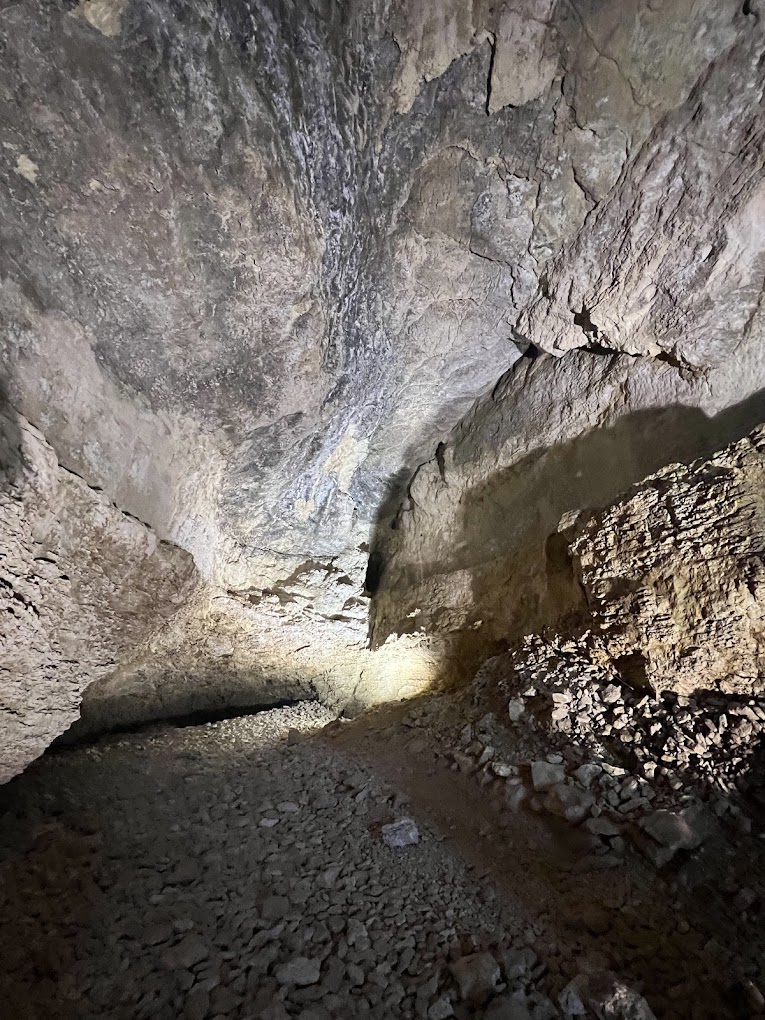
What made the San Bernardino Cave a strategic stop for Neanderthals?
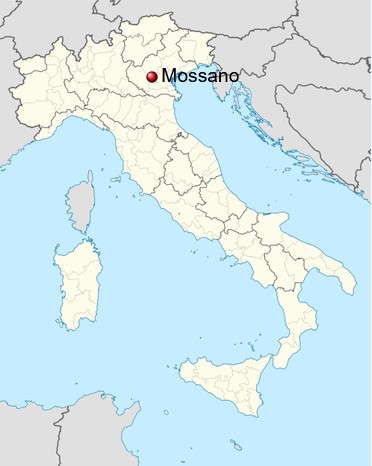
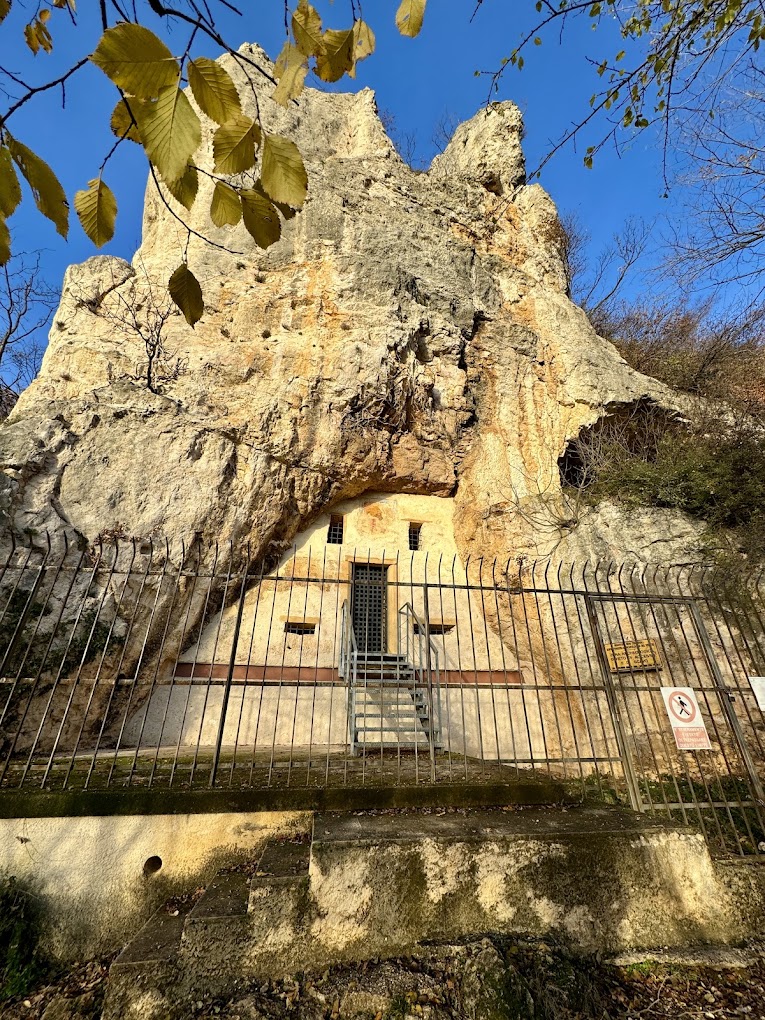
Mossano is perched on the ridge of a short hill along the eastern slope of the Berici Hills in Veneto. These areas have been frequented since prehistoric times due to the presence of caves and water springs. One of these is the San Bernardino Cave, one of the most significant sites in Europe. It consists of two chambers:
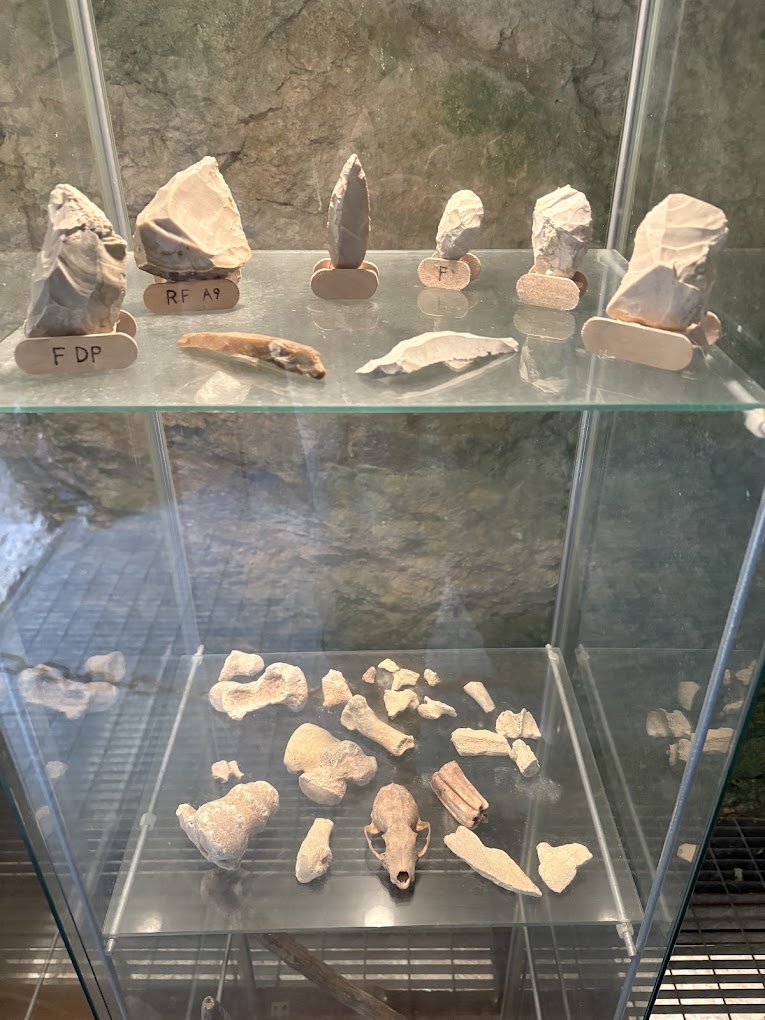
• The smaller chamber: a small anterior cavity located a few metres from the larger cave. Here, only an interesting deposit with Pleistocene fauna and Middle Paleolithic stone tools has been found.
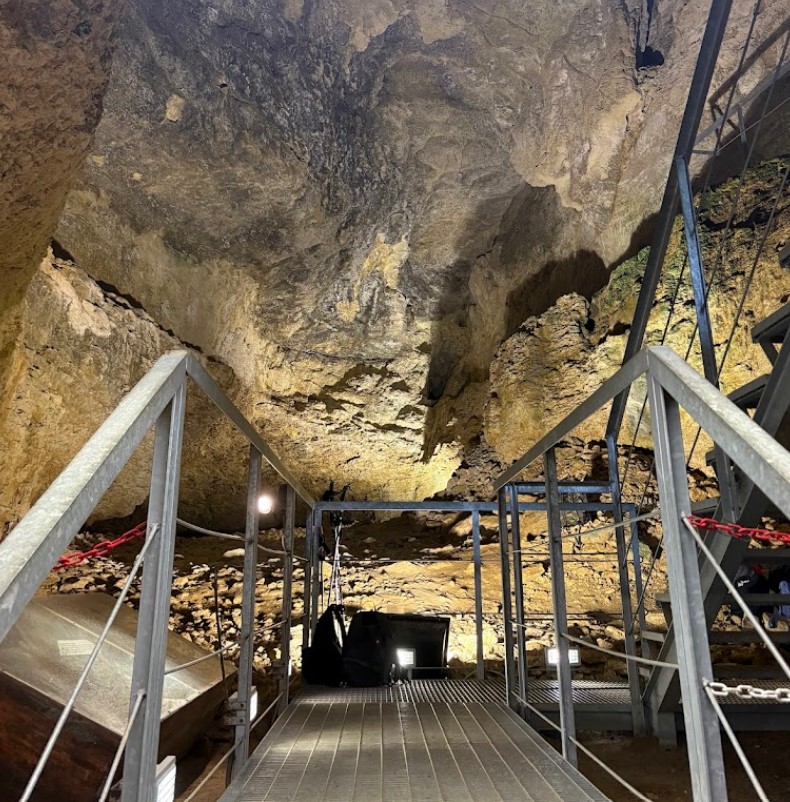
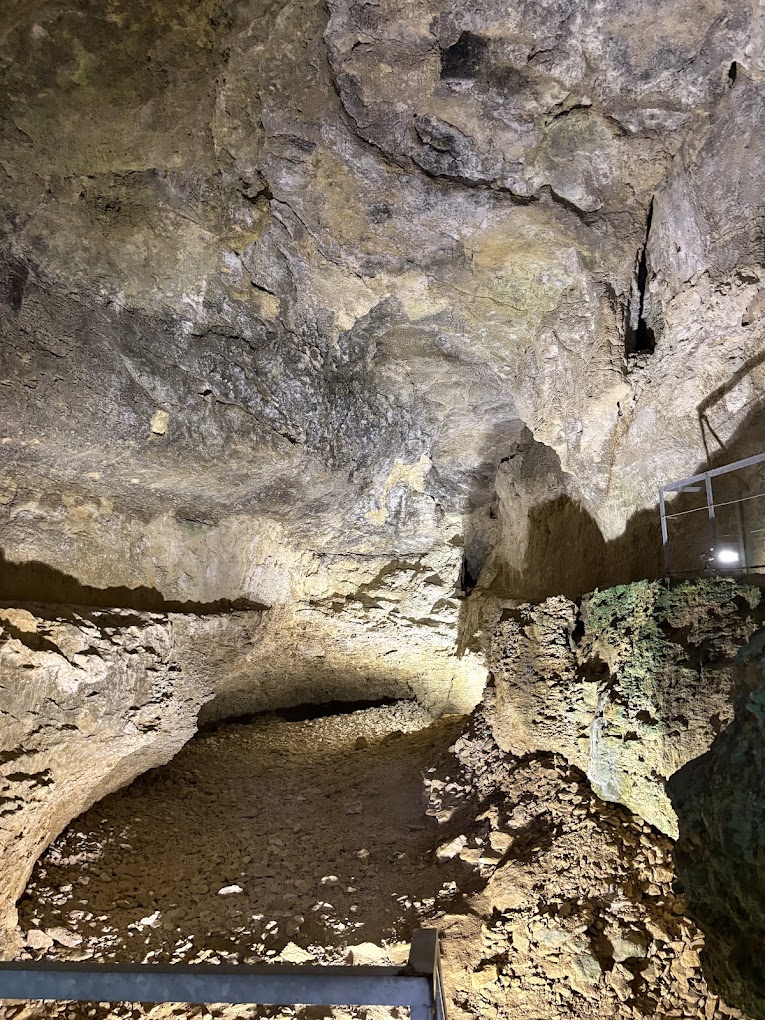
•The larger chamber: a spacious, sub-horizontal rear cavity. In its innermost part, there was a deposit of fossil remains and prehistoric artefacts, all since dispersed, dating back to the Upper Paleolithic. At the cave's entrance and the area in front, however, intact Pleistocene deposits were discovered, containing lithic industries and ancient hearths from the Mousterian period. The hearth at the entrance, surrounded by large stones, is one of the oldest known in Italy.
Excavations and research have been carried out for over a hundred years, revealing that over 250,000–200,000 years ago, nomadic or semi-nomadic Neanderthals, moving between the Berici and Euganean Hills while following the game that sought shelter in these highlands, used the San Bernardino Cave as a temporary shelter or resting stop. There, they butchered their prey, including mole, cave bear, fox, wolf, marten, dormouse, Dolomys, Dyromys, deer, elk, roe deer, chamois, ibex, and the field vole (Microtus agrestis.)
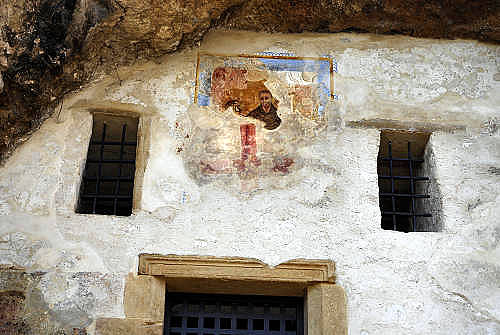
The cave's name comes from its 15th-century use as a hermitage by Saint Bernardine of Siena, who was present in the Vicenza area in 1423 and 1443. By then, the cave had already been adapted as a hermitage and refuge, with a massive wall built featuring a door for access and loopholes to control the area in front.

Seventy years later, during the War of the League of Cambrai against Venice (1509–1510), when Emperor Maximilian's troops invaded the Vicenza territory, many people sought refuge in the cave. Contemporary chroniclers report that the imperial forces suffocated them with smoke and then mutilated the corpses.
As documented in various historical records, the cave continued to be used as a hermitage in subsequent centuries. In 1890, when the memory of the massacre had faded, it was decided to empty the cave's internal rock deposit—about four metres deep—to use the bone-rich soil as agricultural fertiliser. To this end, a cableway was installed down to the plain below, and all sediments down to the bedrock were sieved on site; the coarser stone rubble was discarded and left in place.
Towards the end of the clearing, a university geology student noticed that the skeletal remains collected belonged almost entirely to the Upper Pleistocene (between 130,000 and 10,000 years ago): aurochs, ibex, elk, giant deer, red deer, wild boar, marmot, cave bear, as well as some human remains (three teeth and a phalanx). Numerous flint artefacts later found among the abandoned stones inside the cave made it possible to attribute part of the destroyed deposit to Neanderthals and part to Paleolithic Homo sapiens.
It was believed that all traces of prehistoric life in the cave had been destroyed by this clearing. However, in 1958, flint tools were discovered outside the medieval wall, suggesting the existence of a Paleolithic deposit in the underlying area. Systematic excavations were then initiated, bringing to light the deeper, still intact layers.

When did humans learn to control fire?
The earliest secure evidence of human mastery over fire dates back about one million years. These are crude hearths, testifying that humans had overcome the innate fear that fire instils in all living beings and had acquired the ability to ignite and maintain it. The oldest traces of fire used for cooking go back approximately 700,000 years.
Indirectly, however, through analyses of tooth size and body mass indices derived from bones, it has been discovered that around 1.9 million years ago, Homo erectus already knew the process of smoking, useful for preserving meat and fish, and relied on a diet that included cooked foods.
The domestication of fire required hunter-gatherer groups to pay constant attention not only to managing this vital resource but also to procuring combustible materials. This activity implied a specific perception of time—calculating how long the fire would last; if not sufficiently fuelled, it risked going out, causing harm to the community.
Fire was an invention of great technological value that improved daily life during the Paleolithic. From its use in various domestic activities to its symbolic aspects—such as the earliest practice of cremation in funerary contexts—fire was perceived as an irreversible and destructive force, capable both of generating and of annihilating the materiality of inanimate objects and human beings.
The ability to control and dominate a force of nature allowed humans to light up the night, extending the hours available for distinctly human activities; to keep fierce beasts at bay; during hunting, to frighten prey and drive them in a desired direction; or to set controlled fires to capture small animals; to create a more favourable environment for gathering seeds and berries; to keep warm; and above all, to improve health by cooking food, making a wide variety of edibles more digestible and nutritious, and enhancing protein and carbohydrate absorption.
Moreover, the hearth had a unifying value because it fostered social relationships: gathering around it, people developed strong and lasting bonds, accelerating cultural and social evolution as well.
There were many fire-lighting methods during the Paleolithic, but archaeological evidence is scarce. This is partly due to the poor preservation of the materials used—wood for friction, natural iron sulphides for percussion, and possible tinder—and partly to a lack of knowledge about the specific techniques.
In Italy, the earliest evidence of stable hearths and fire control comes from the San Bernardino Cave in the Berici Hills during the Middle Paleolithic (around 250,000 years ago).
During the Upper Paleolithic, the practice of maintaining and feeding flames spread across many Italian caves (such as the Guattari Cave in Lazio) for warming, defence against animals, or cooking meat.
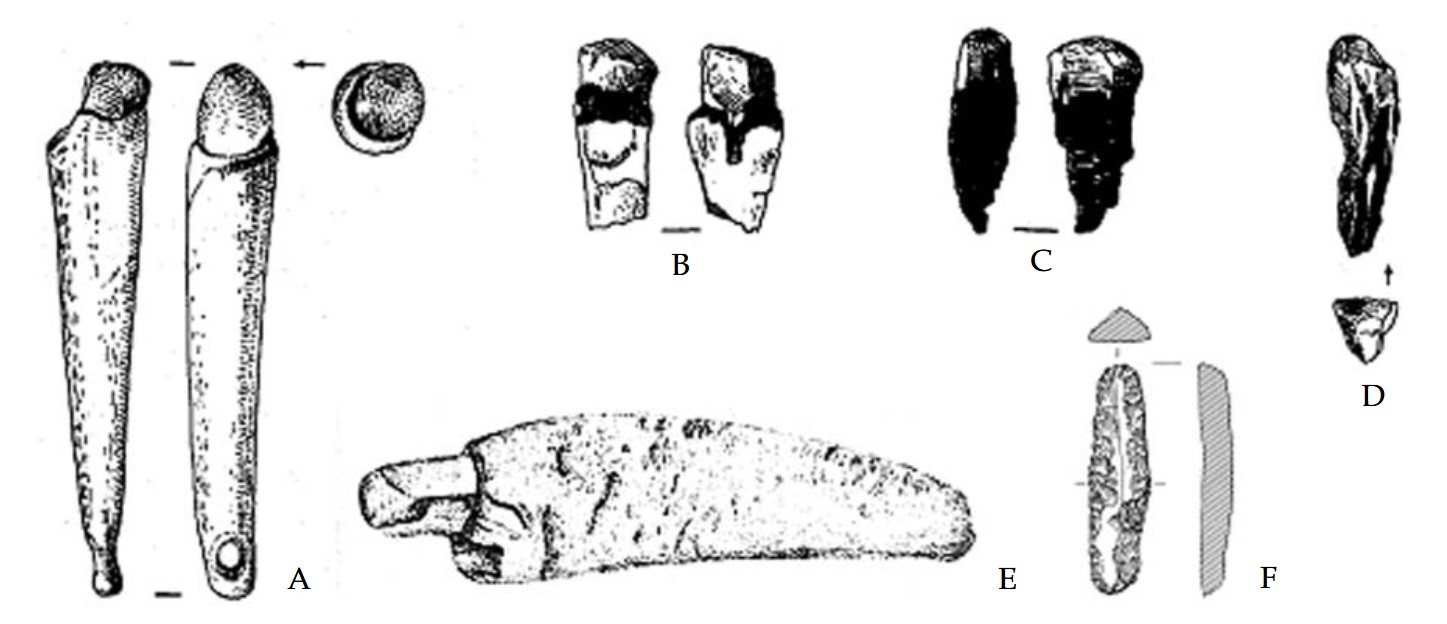
Fire-lighting tools from the Paleolithic and Neolithic have been found in various sites: percussion strikers for fire-lighting in Tomb no. 40 of the Copper Age Remedello Necropolis near Brescia (a flint tool inserted into a deer-antler handle), or those in the late Neolithic layers of the Isolino di Varese site (a lithic element set into a handle), or the objects needed for the percussion technique carried by Ötzi, the Iceman (5,300 years ago). In his belt, sewn like a pouch, were fragments of tinder fungus, on which natural iron sulphide powder—typically produced during percussion—was identified, along with a keeled scraper. It is plausible that these pieces together constituted a single fire striker.