Where was the oldest evidence of Homo sapiens found in Sardinia?

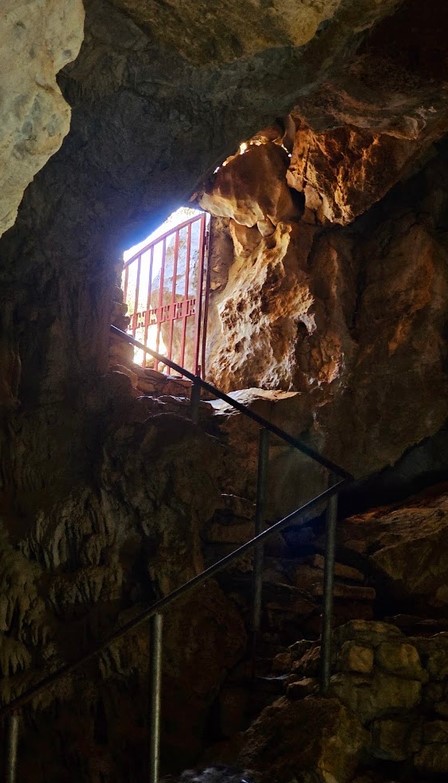
Accused of cattle theft and a long list of other crimes, including stagecoach robbery, Giovanni Corbeddu Salis (1844–1898) took refuge in a natural cave within the Lanaittu Valley (Oliena, Nuoro) in Sardinia. Its narrow entrance was concealed by a removable stalagmite: the bandit would remove it to slip through, and after squeezing halfway into a nearly vertical passage about two meters long and less than half a meter wide, he would put it back in place, carefully aligning the fractures. Anyone who had pursued him into the cave would not have noticed—nor would they have thought of such a maneuver. In that place, having abandoned all criminal activity, he began to serve as a peacemaker and arbiter in disputes among the local inhabitants, as he was recognized for his great wisdom. However, after eighteen years as a fugitive, he was tracked down and killed in a shootout with law enforcement.
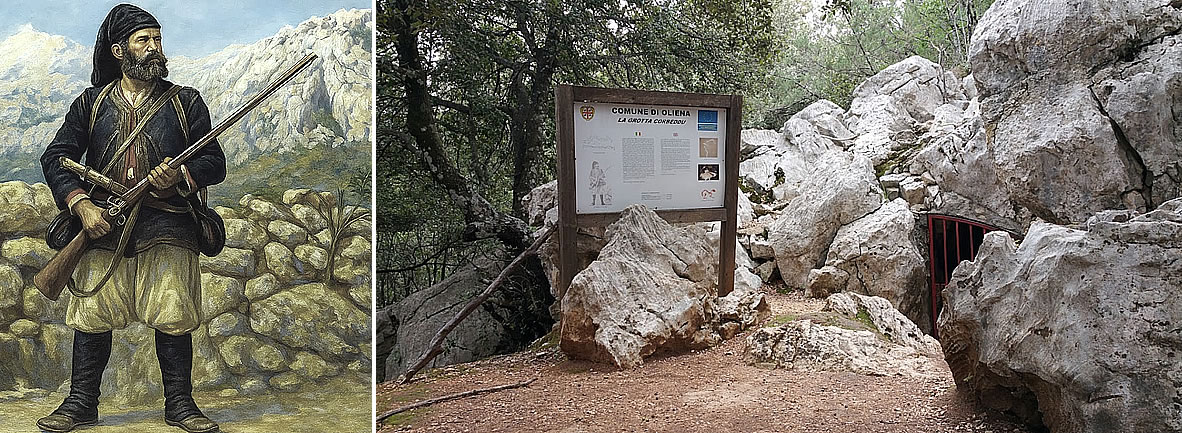
The cave came to be nicknamed Corbeddu, and the newspapers spoke of it again in the late 1960s when bones of Prolagus sardus—a rabbit-sized rodent now extinct—were found inside. This was followed by roughly twenty years of scientific excavations, which allowed the various chambers of the cave to be explored.
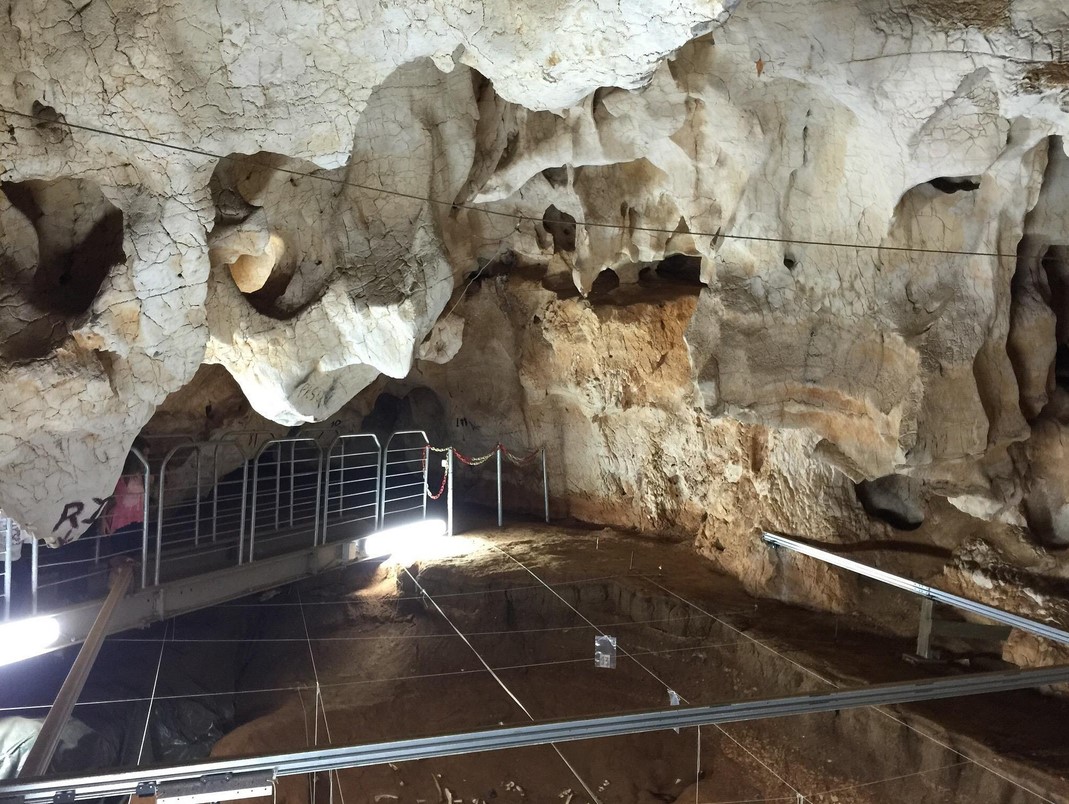
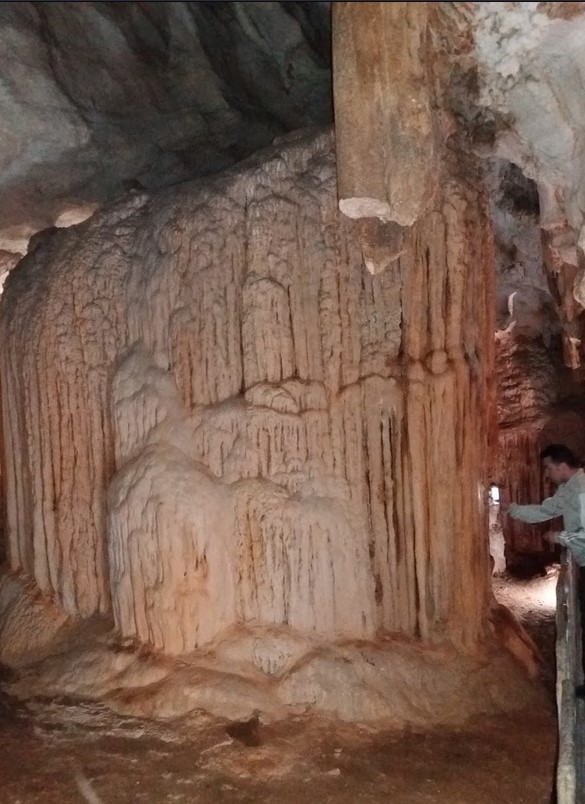
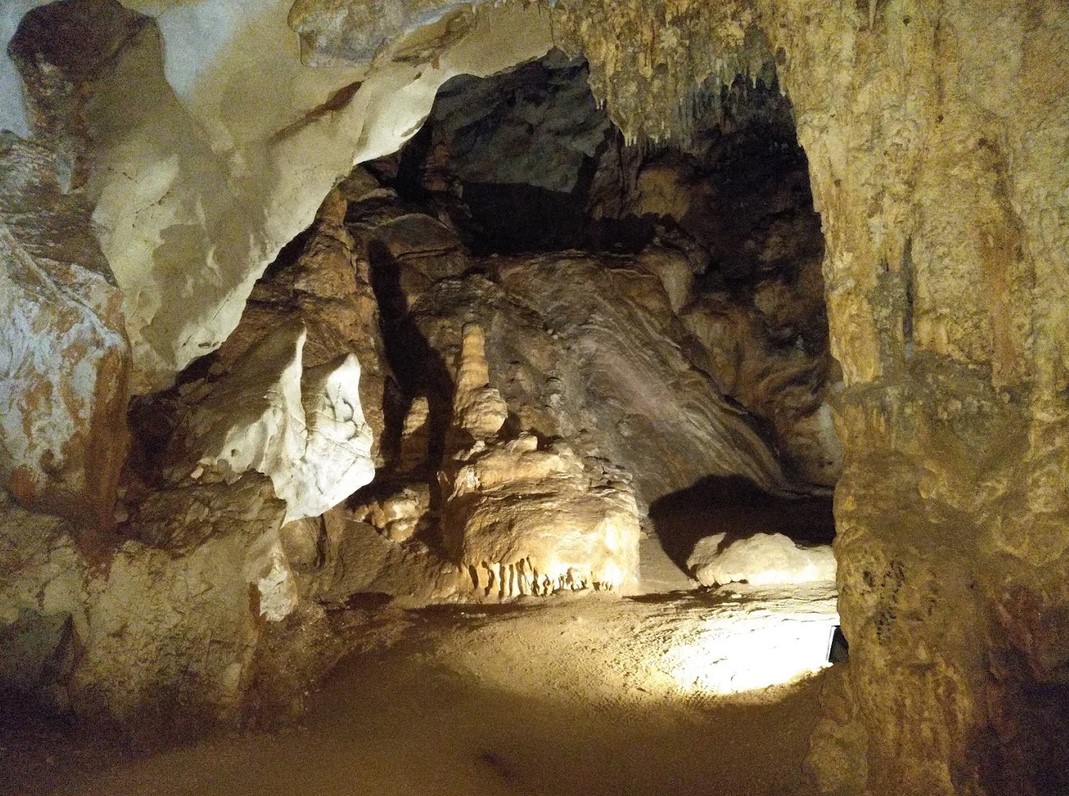
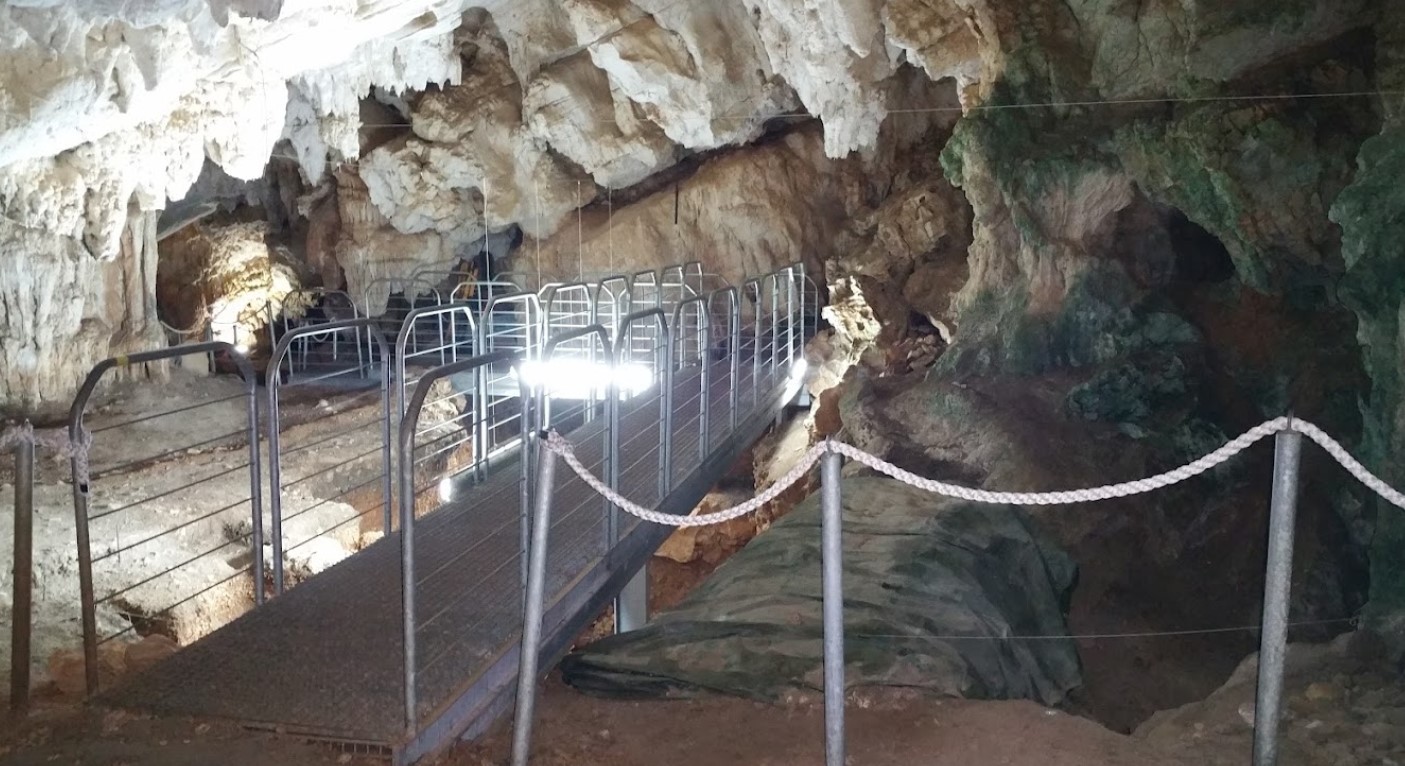
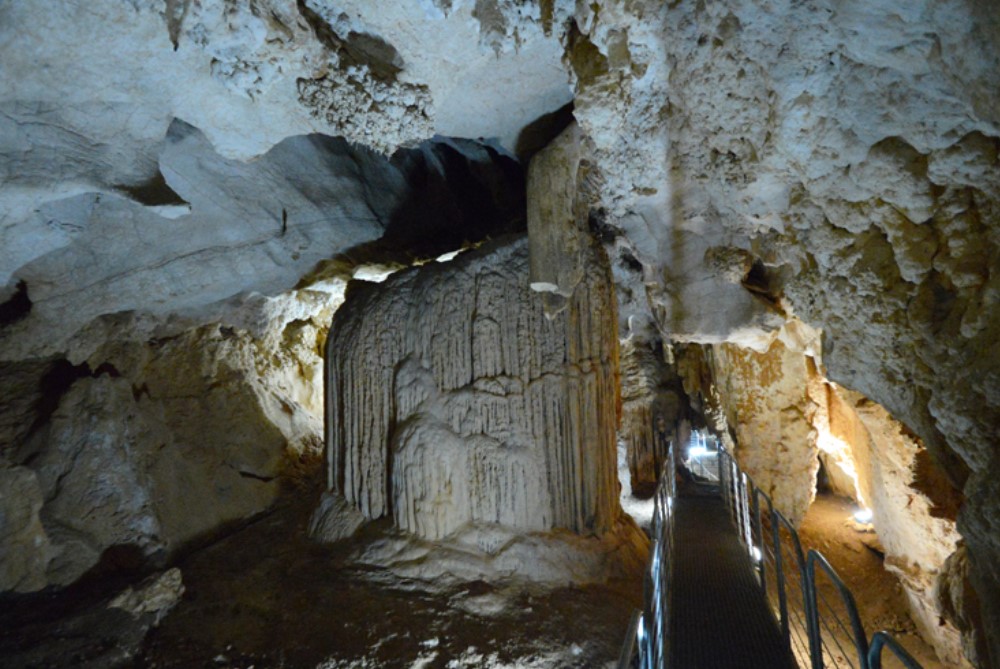
The cave is a mostly horizontal cavity, about 130 meters long, divided into three main halls and ending in a small chamber. Archaeological excavations have recovered finds of great importance for reconstructing Sardinian history: indeed, it is from the second hall that the earliest archaeological evidence of Homo sapiens in Sardinia comes, dating to about 22,000 years ago (Upper Paleolithic), along with other human bone finds dating to 8,750 years ago (Mesolithic). To this day, these remains are the oldest human remains found in an insular Mediterranean archaeological context.
Another distinctive feature is that these bones display morphological characteristics showing a certain degree of differentiation—likely due to isolation—between these populations and other populations living on the European continent at the same time. This is much the same kind of geographic isolation that differentiated the Ceprano man in the Liri Valley from other humans living beyond the valley.
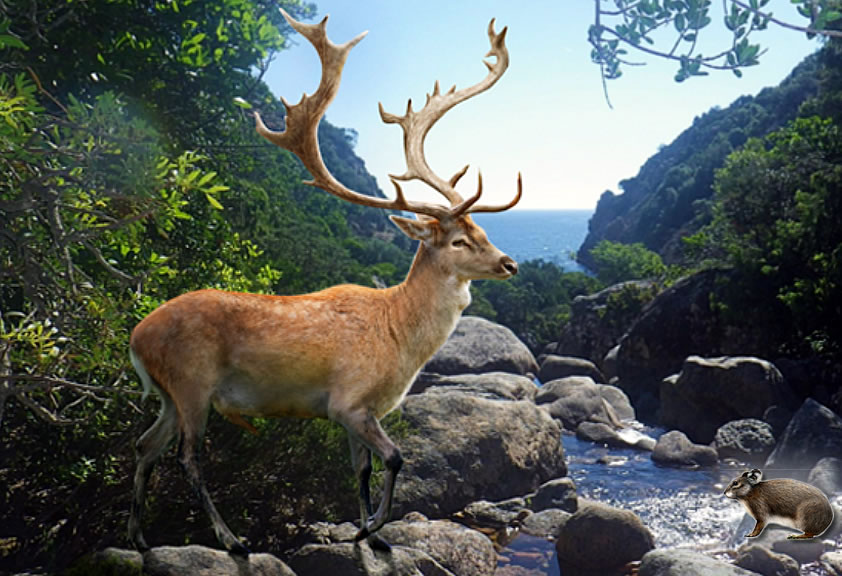
From the same layer in which the human bone remains were found come fossils belonging to a small number of endemic wild fauna species: the deer Megaceros cazioti and the aforementioned rodent Prolagus sardus, both now extinct, associated with a few Upper Paleolithic artifacts.
Of particular note is also the subsequent discovery, at the bottom of the excavation section in the first hall, of a proximal portion of a human ulna, attributed to an individual different from those found in the second hall. This interesting bone fragment also displays a morphology different from that of Homo sapiens and appears to be characterized by pronounced endemism.
Also found were fragments of charcoal mixed with bones of wild animals, bearing traces of fire, dated to about 25,700 years ago.
Equally significant is the discovery of bone and lithic industry: scrapers, blades, burins, etc., made of flint, quartz, and marly limestone, dating between 14,500 and 12,000 years before present.
The man continued to frequent this cave non-consecutively until the Early Bronze Age (1800–1600 BCE), spanning a period of approximately 20,000 years—a rather uncommon occurrence in prehistory.
Finally, finds attributable to the Early and Middle Neolithic phases should be mentioned, when villages and Nuragic tribes were present throughout the territory. The first permanent settlement of Oliena, understood as a permanent societal structure, only dates to the Roman era.