Did a WWII explosion accidentally reveal prehistoric art?
In Upper Paleolithic art, most of the male figures that appear in the engravings and paintings of French, Spanish, and Italian caves are depicted as fantastic composite beings, born from an imaginary union of man and horned animal. Many of these figures are grotesque and enigmatic: horned, nude, and generally ithyphallic figures, men wearing animal masks and costumes, and participants in rituals.
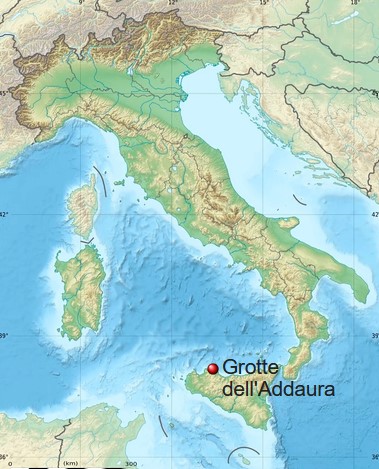
One example is the Addaura Caves, on Monte Pellegrino near Palermo in Sicily, which attest to the presence of a Paleolithic hunter settlement in the area as early as the Mesolithic era. These people fed on marine and land mollusks, vegetables, and practiced hunting and working within an agro-pastoral context.
Description of the Addaura Caves
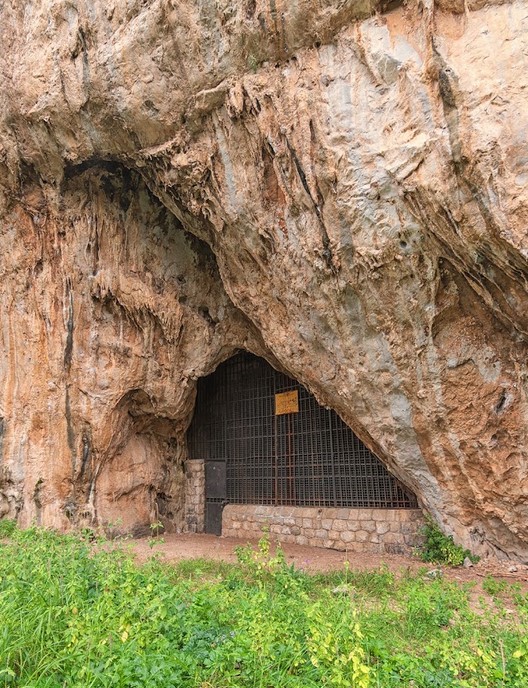
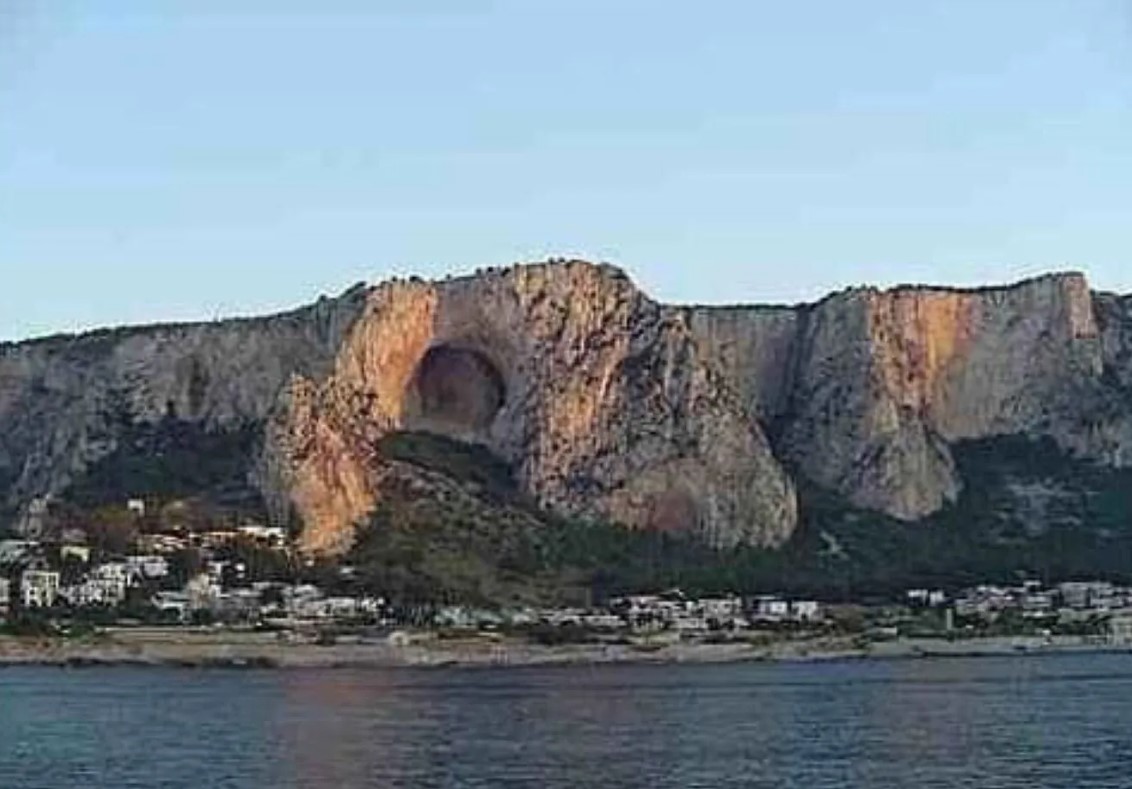
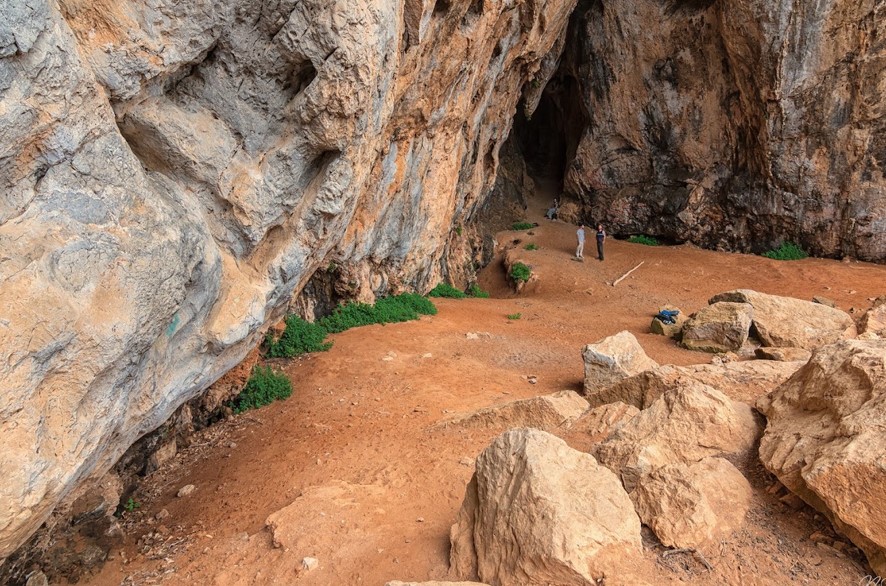
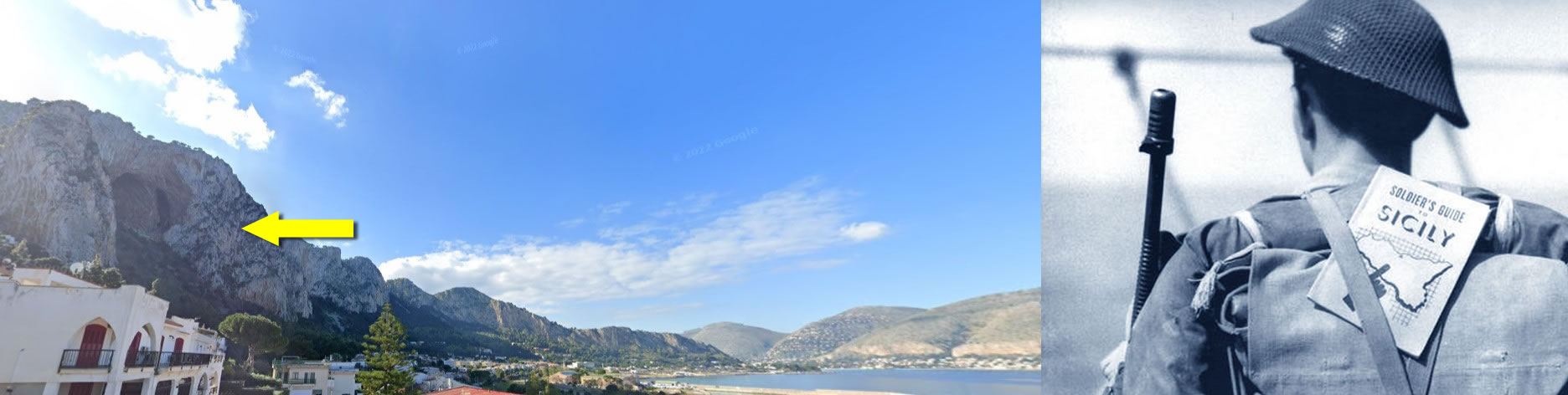
The Addaura Caves complex consists of four main cavities, located about 70 meters above sea level on the northern slope of Monte Pellegrino, facing the sea, southeast of Mondello beach.
1. Perciata : the largest of all, visible even from a distance, featuring internal karst phenomena.
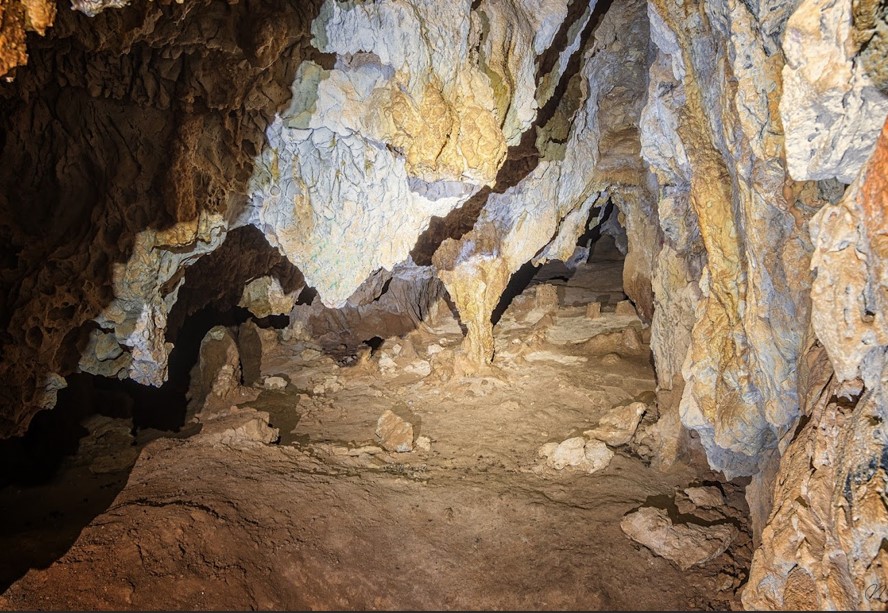
2. Caprara: discovered in the second half of the 19th century, yielding deer, horse, and cattle bones, flint and quartzite weapons (tools used for hunting), charcoal, and fossil bones of Pleistocene fauna such as dwarf elephants and hippopotamuses; it also presents internal karst phenomena.
3. Grotta delle Incisioni (Cave of the Engravings): features engraved images and incisions dating back about 14,000–20,000 years, representing the highest testimony of Upper Paleolithic parietal art due to the presence of unique human figures, both in the way they are drawn (with impressive realism) and in the enigmatic meaning of the scenes depicted.
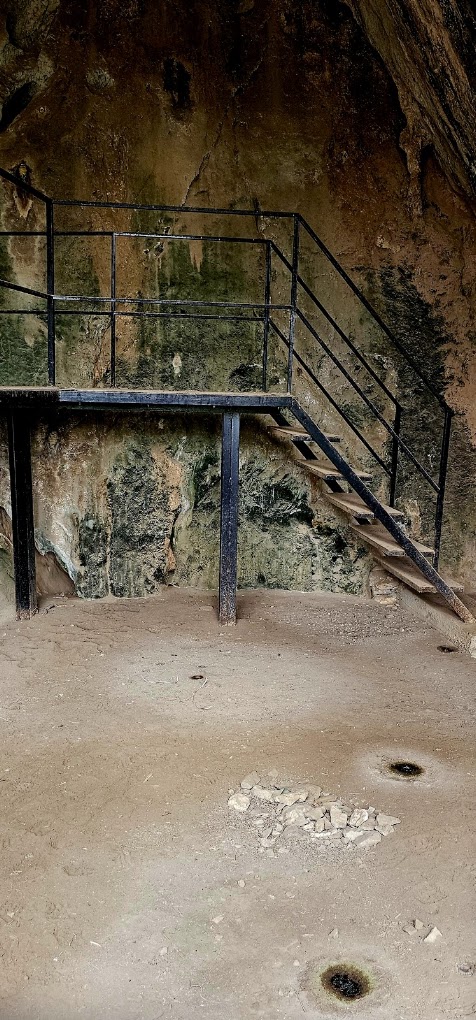
After the landing in Sicily and the arrival in Palermo in 1943, the Allies, seeking a suitable site, designated the caves as a munitions and explosives depot. The accidental explosion of the arsenal caused the main cave's crusted diaphragm to crumble and collapse, revealing graffiti that had until then been covered by the "patina of time." The war continued, and in 1946 the cave was investigated, but since no graffiti were found, it was used as a storage for excavation tools; it was only in 1952 that they were discovered, and the news made these caves known to the international scientific community. In 1956, excavations were carried out that determined the period of occupation of the site, from the Upper Paleolithic to the Mesolithic.
4. Grotta dei Bovidi(Cave of the Bovids) or Antro Nero: rich in flint and quartzite tools and fossil bones of Pleistocene fauna such as dwarf elephants and hippopotamuses; it features engraved images and incisions dating back about 14,000–20,000 years, depicting various animal species (bovids, deer, and wild horses).
Cave of the Engravings
The graffiti on the back wall of the cave are all of animals—deer and horses—some not precisely identifiable due to erosion from dripping water.
The engravings on the back wall and the left wall are the most important: they are located 1.50 to 3.90 meters above the ground, so presumably the original occupation level was much higher than the current one. The walls receive enough light from the outside, precisely because the cave is small, and it was likely used as a place of worship. Over time, the rock surface has undergone evident karst erosion due to dripping water, making the reading of the graffiti difficult; on the left wall, however, many graffiti were erased by the Paleolithic people themselves to superimpose other engravings, thus canceling the oldest part of the depictions, of which only the deepest grooves remain.
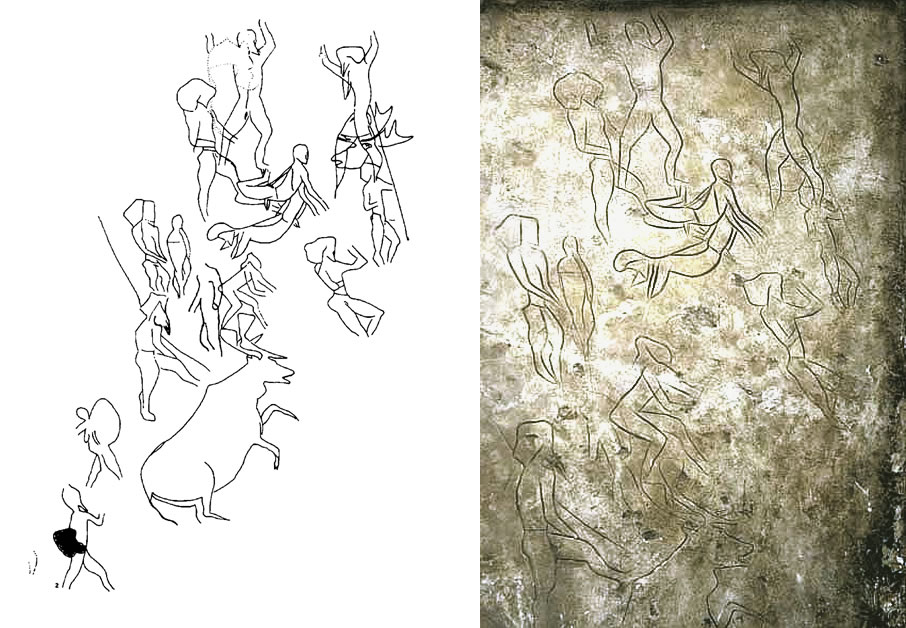
It is precisely the graffiti on this last wall that have sparked the greatest interest: eleven human figures and one animal are depicted, linked together in two compositions. In the first composition, there are ten male figures and one female.
Men with bird masks appear as if participating in rituals. Some Upper Paleolithic representations, considerably present at Addaura, are clearly ritual scenes. The Addaura composition features at least 11 male figures, with bird masks and excellently drawn, engaged in a dramatic ritual. Two ithyphallic men lie on the ground, tied by the neck to the ankle. Nearby, five men in a state of ecstasy seem to perform a ritual dance. Two are shown with arms raised high, others with arms half-raised or lowered—and their movement is vivid. Beneath this dance scene, seven figures are equally engaged in other activities, perhaps connected to the deer (a sacrifice?) shown near them. One of the dancing figures in the upper part is drawn on top of the deer's head, which suggests that the dancer was dated later than the animal; thus, the contemporaneity of men and deer is debatable. Although we will never be certain of what this scene depicts, it can be hypothesized that the dance around the two bound men is a spring or summer ritual, perhaps a scene of simulated sacrifice of excited males to ensure the flourishing of vital forces.
The female figure, on the other hand, is motionless and watches the scene with something dangling along her legs, perhaps an empty sack; the figure has been interpreted as female both because it has an incision at chest level that does not appear in the other figures, and because its rounded head is similar to another female figure in an evident state of pregnancy, carrying a sack on her shoulders, depicted in the second composition. In this latter composition, there is also a male figure behind a large galloping stag, with its hind legs strongly bent as if climbing; behind him is the aforementioned female figure along with two other male figures walking in opposite directions from one another.
At the bottom, various animals are scattered across the wall, some drawn completely and others only sketched: a mare with a foal emerging halfway up its back, a headless horse over which a bovine is superimposed, parts of other horses, and finally a running fawn. In general, these graphic representations do not have the same value as the human ones, either in the quality of the line or in the expressiveness of the figures.
According to another interpretation of the scene mentioned in the first composition, the figures were conceived as if in motion, and the various characters dancing around the two men lying on the ground are actually one or two figures wearing bird-beak masks, engaged in a shamanic practice directed toward the single figure on the ground, depicted in a double position, probably in the throes of convulsions or even an epileptic seizure, typical of those chosen as shamans.