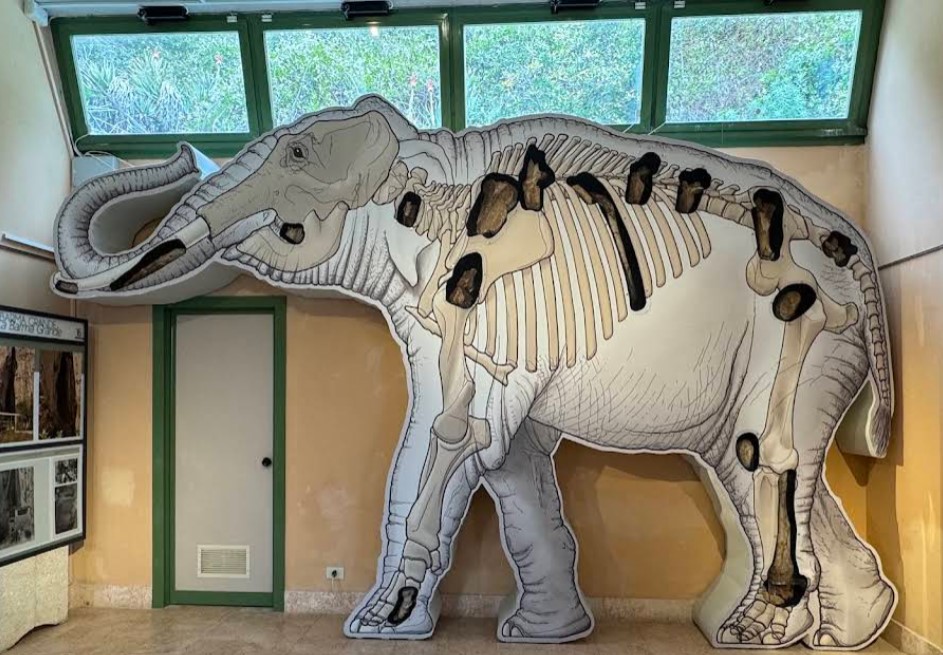
Was the 'Paleolithic Man' Actually a 190cm Woman?
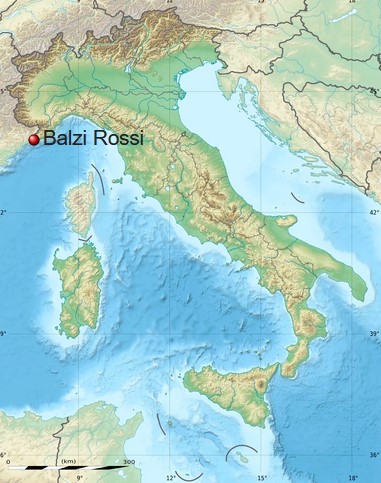
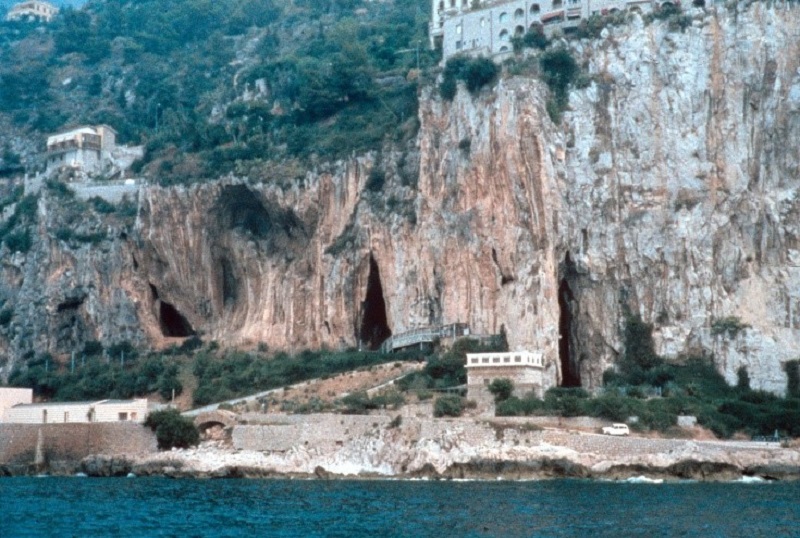
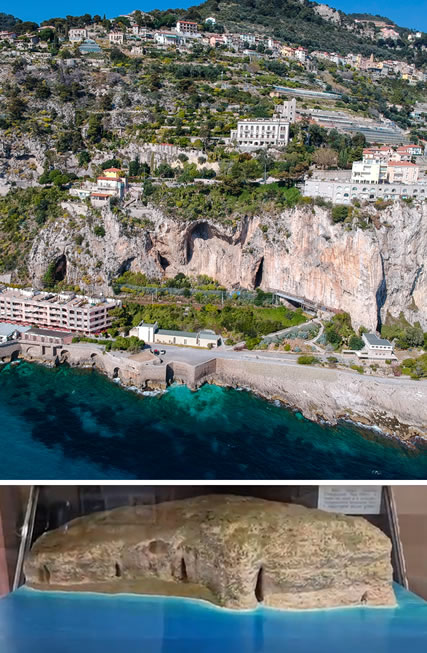
She lived at Balzi Rossi, an exceptional prehistoric site on the border between Italy and France, just a few kilometers from Ventimiglia and Menton, nearly at the water's edge. The rocky cliff features a series of caves called "Bausi" in the local dialect—meaning "holes"—from which the Italian name "Balzi" derives.
The Balzi Rossi area was frequented by prehistoric humans from the Lower Paleolithic (230,000 years ago, Homo Heidelbergensis) to the Upper Paleolithic (10,000 years ago, Homo Sapiens). Within the caves and outside them, extensive deposits rich in faunal remains and lithic artifacts accumulated over millennia, along with significant burials, all discovered through centuries of archaeological excavation.
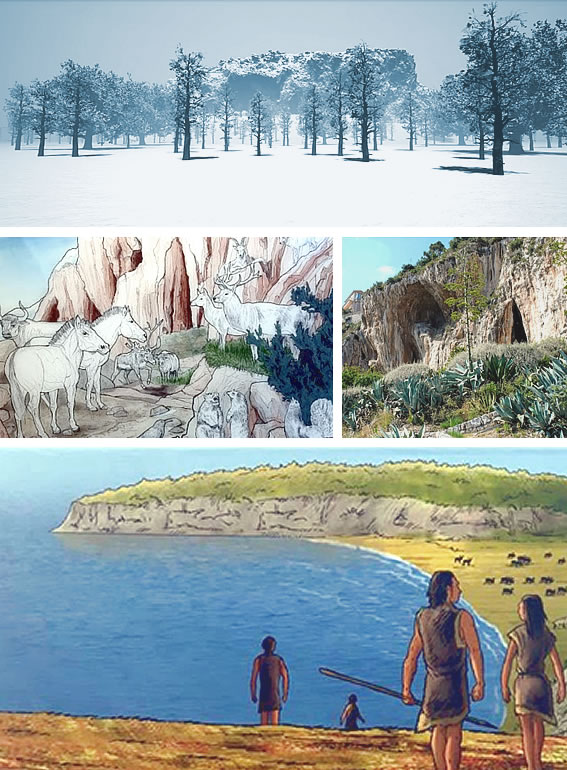
Today, the cavities face directly onto the sea, but this location has witnessed the alternation of different climatic phases, with fauna and shells from both warm and cold periods—testified by the stratigraphy. This also resulted in numerous sea level variations: 100,000 years ago, the sea level was 120 meters lower than today, while 12,000 years ago, during the Würm glacial period, the coastline had retreated approximately two kilometers, and the vegetation was typical of alpine or northern environments.
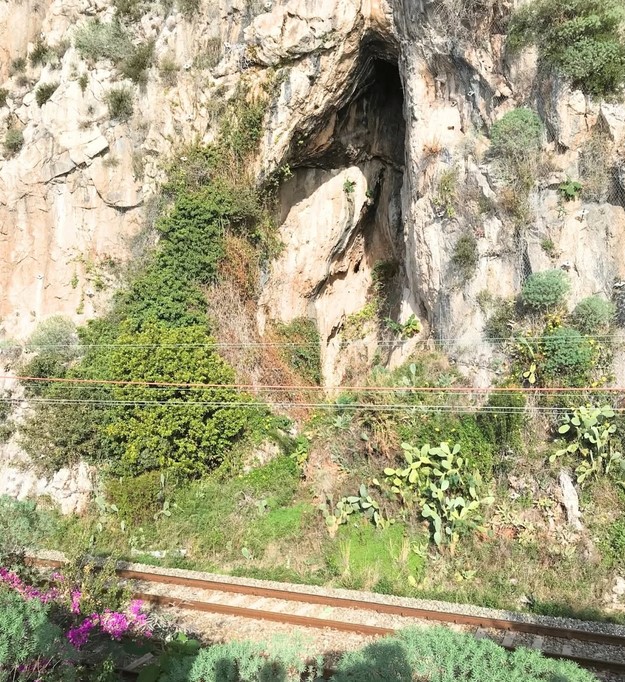
In the late 1800s, during the construction of the Genoa-Nice railway line, workers encountered archaeological finds beneath the cliff of the Balzi Rossi Caves in Liguria. Systematic investigations focused primarily on the Caviglione Cave, where over 7 meters of archaeological deposit were excavated. At 6.55 meters below the cave's surface level and approximately 25 meters above sea level, the burial of an adult individual was brought to light. This individual had a healed fracture on the left arm, stood 190 cm tall, and wore a skull cap (or headdress) made of over 300 perforated seashells and deer teeth, strung together on some sort of mesh covering the head. The skeleton, whose bones remained in anatomical connection, had been subject to a funerary ritual. It was covered in ochre, lay on its left side with its back against a wall engraved with a horse, facing west, with hands near the face and legs bent. Nearby were numerous offerings (flint blades, hematite, shells, deer bones, etc.). The burial also contained the bones of an equid, an extinct ancestor of the horse. Dating places it at approximately 24,000 years ago, in the Upper Paleolithic (Gravettian period), and the individual's age at death has been estimated at 37 years.
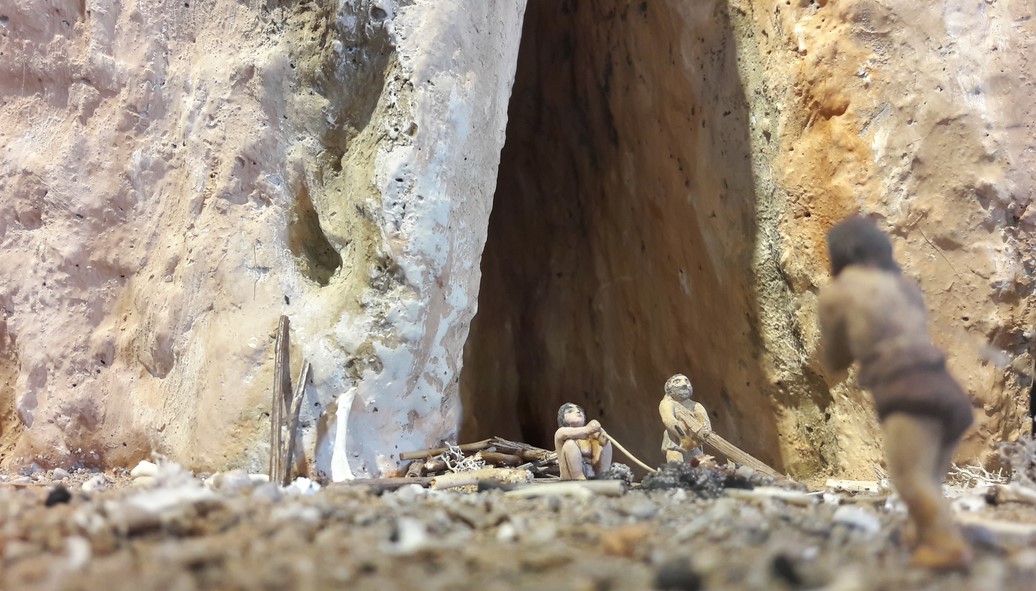
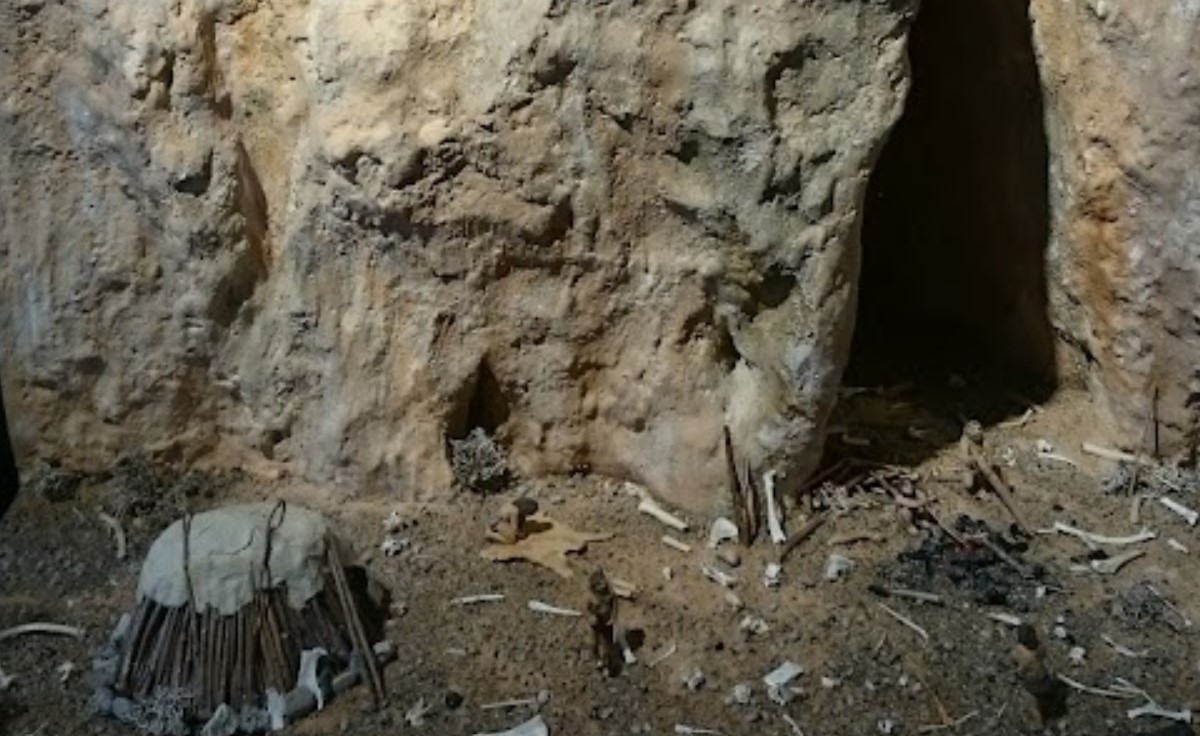
This person lived near the coast in a cool, dry climate. The environment consisted of steppes traversed by herds of horses and forests inhabited by deer. Their group subsisted on hunting, fishing, and gathering. Their diet, evidenced by tooth wear, shows a high consumption of meat and fish.
The discovery caused considerable excitement at the time, and the skeleton was dubbed the "Man of Menton." After 20 days of work, the burial was removed in a block along with the surrounding deposit and transferred to Paris, to the Institute of Human Paleontology, and then displayed from 1937 at the Musée de l'Homme.
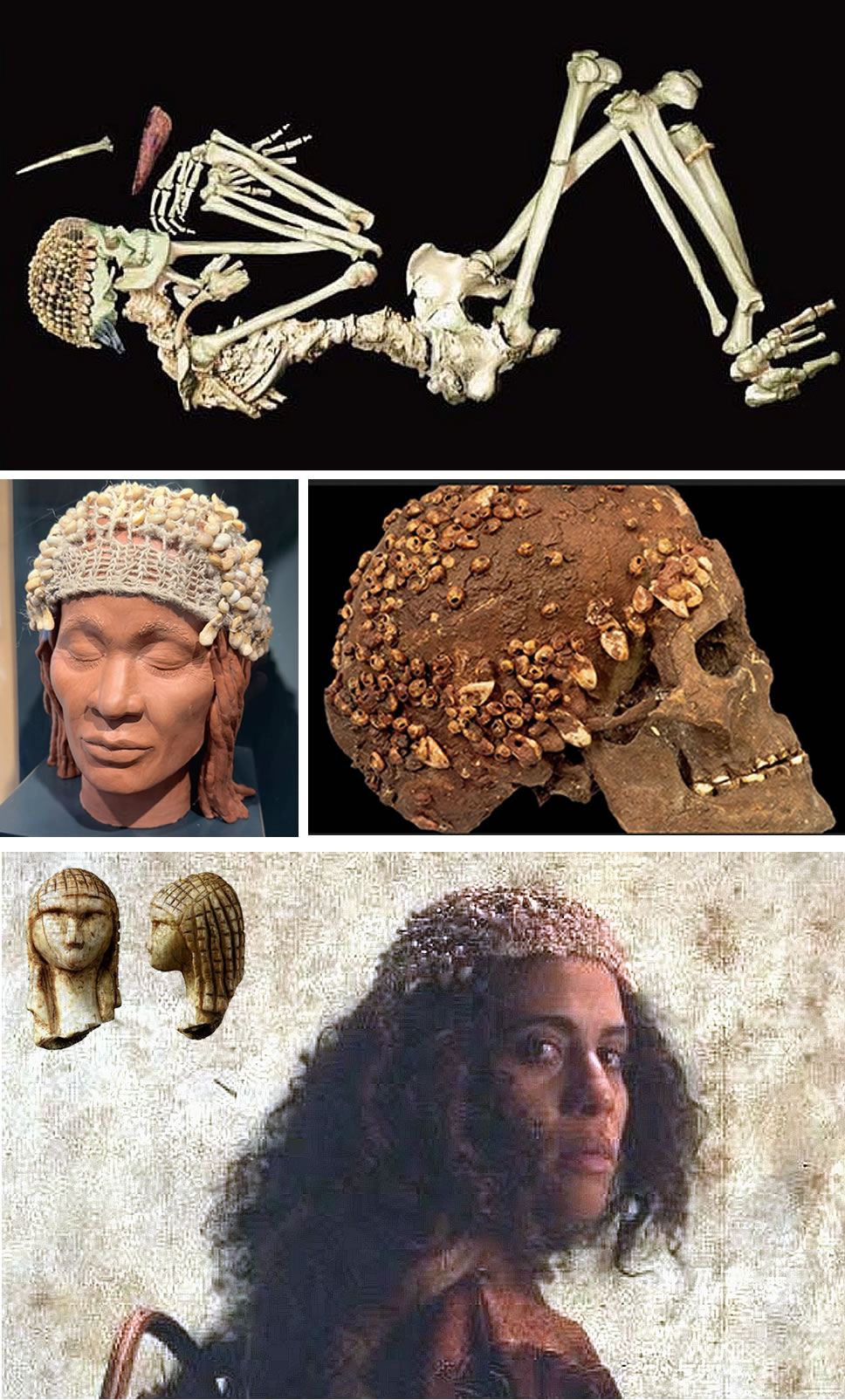
However, in 2016, the skeleton was re-examined by an international team led by Henry de Lumley, revealing that the "Man of Menton" was actually a woman. The first suspicion came when the researcher's wife observed the pelvis. It was subsequently confirmed that this Paleolithic woman must have had at least one child during her lifetime. The bones also show a defensive wound—offering little insight into how she died, though 37 years made her elderly for her time.
The headdress she wore was similar to those found associated with the woman of Paglicci and the woman of Ostuni in Apulia, and with the so-called Prince of Arene Candide discovered in Liguria in the Arene Candide Cave, as well as some figurines (e.g., the so-called Lady of Brassempouy). These circumstances have led to speculation that these headdresses were not used exclusively as funerary objects but as actual headwear worn in life.
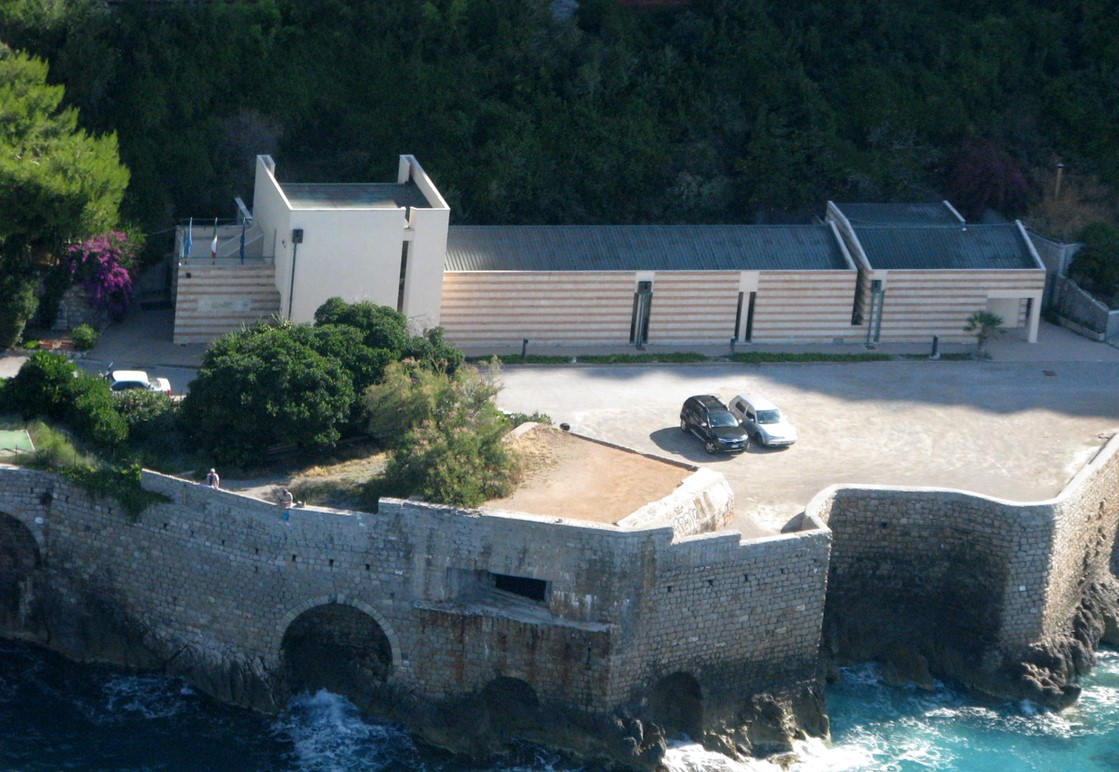
Today she is known as the "Dame du Cavillon" and at the Balzi Rossi Museum, a cast of her burial and a facial reconstruction are on display.
The Balzi Rossi
The Balzi Rossi constitute one of Europe's most important prehistoric sites, comprising a series of caves at the foot of a rocky cliff, frequented by prehistoric humans during the Paleolithic. They are located at the far western end of the Ligurian coast, just a few dozen meters from the Italian-French border.
The toponym relates to the reddish coloration and surface patterning of the rocks, caused primarily by exogenous agents, and derives from the local Menton dialect "Baussi Russi," literally translated as "red stones."
But until 1861 the complex is also known as the "Grimaldi Caves." because the territory belonged to what is now the Monegasque principality.
The Balzi Rossi caves, originally numbering 11, were already known in the 18th century, but research at Balzi Rossi began in the first half of the 19th century and has continued for two centuries. Their location on the Italian-French border has meant that investigations have been conducted by international scientific teams—unfortunately, this has also led to the dispersal of numerous artifacts across various museums in Italy and abroad, as well as into private collections.
Over the past two centuries of research, 16 individuals have been recovered, deposited either singly or in multiple graves. Of these burials, 13 date to a period between 25,000 and 23,000 years ago, while three later ones date to between 12,300 and 11,000 years ago.
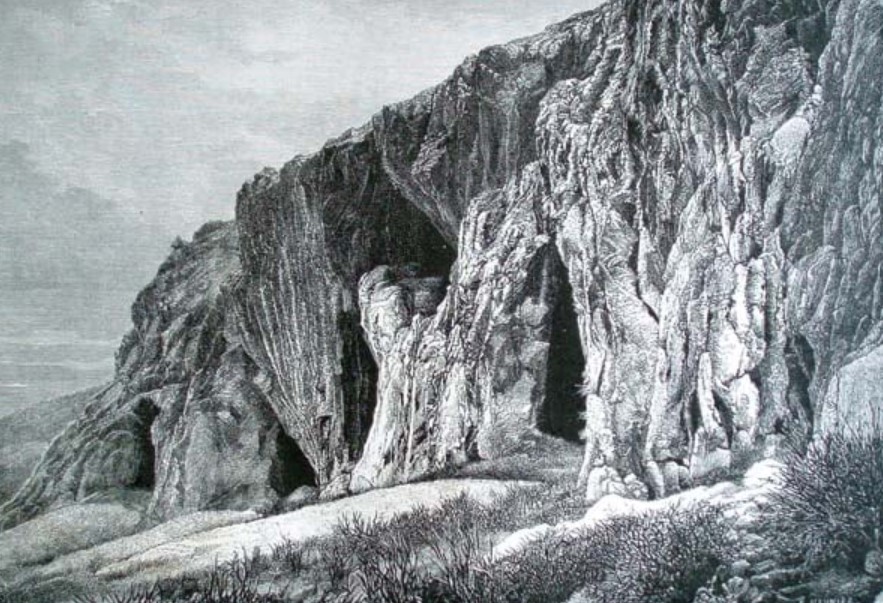
The railway line, which passes extremely close to the caves, divides them into two groups—one on the north side and the other on the south: Conte Costantini Cave, Fanciulli Cave, Florestano Cave, Caviglione Cave, and Principe Cave to the north of the railway; Barma Grande and Barma du Bausu da Tore (destroyed by quarry works at the end of the 19th century) to the south.
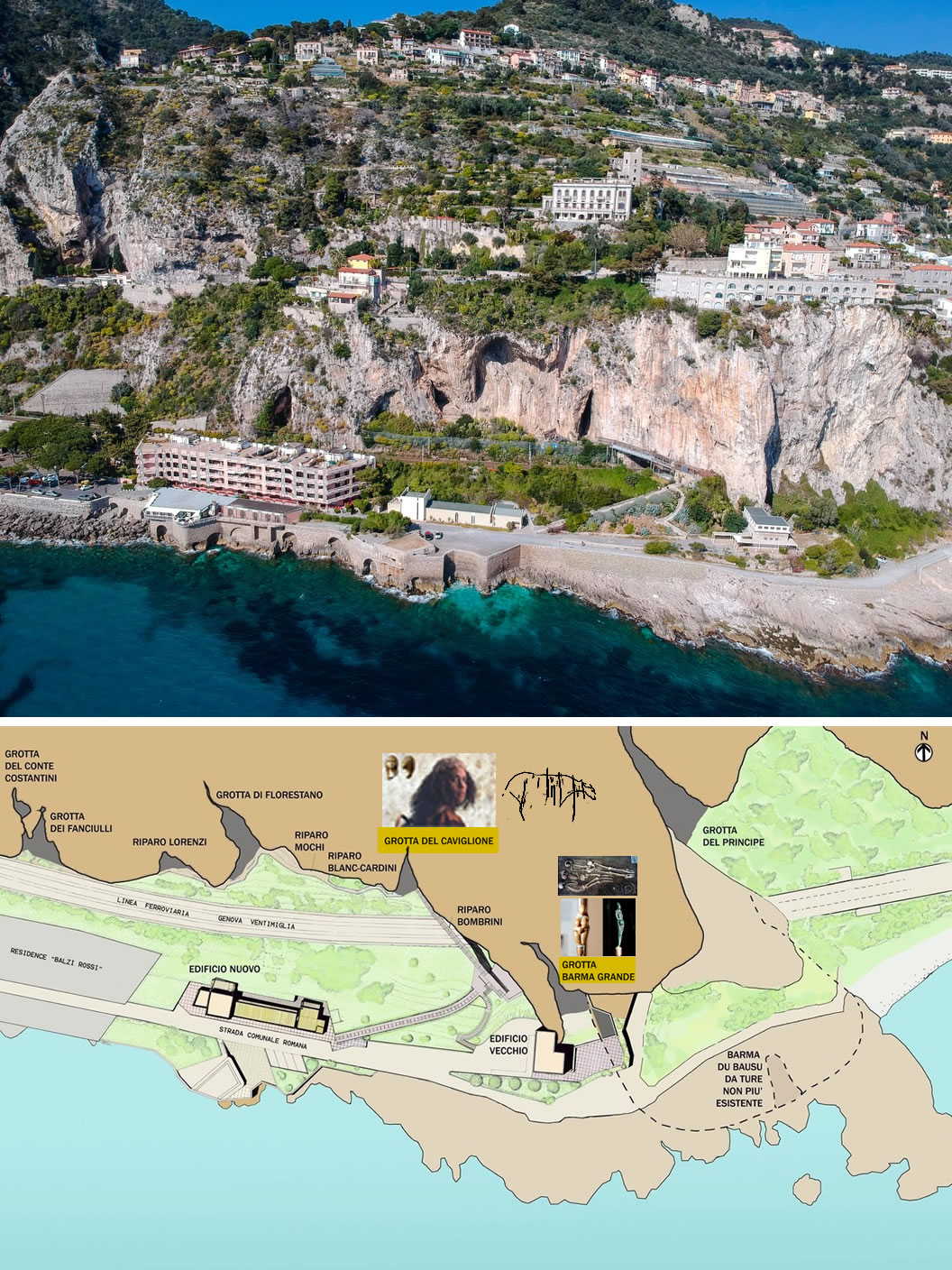
The most important caves open at the foot of an imposing rocky cliff of Upper Jurassic dolomitic limestone approximately 100 meters high; they are located a short distance from the shoreline, at elevations between 8 and 17 meters. Other caves are situated at a higher level, at elevations of about 100 meters in the uppermost portion of the cliff. Their genesis can be attributed to a combination of karst processes and erosion.
At the foot of the cliff, over millennia, a thick deposit has accumulated, consisting of a debris slope descending from the rock face almost to the current shoreline, resting on a broad marine erosion platform: these are Middle-Lower Pleistocene deposits, rich in human evidence.
Currently, the cliff is located in a retreating position relative to the shoreline and, not being directly affected by wave action, constitutes an example of a dead cliff. The highest and oldest sea level has been reconstructed at 108 meters (Voronov Cave), based on the presence of fossiliferous beach deposits dating to the Lower Pleistocene. Lithodome boreholes found at 30-35 meters in the Caviglione and Fanciulli caves are associated with a Middle Pleistocene transgressive phase, while a wave-cut notch at 22-23 meters in the Fanciulli Cave has been linked to the transgression between the Mindel and Riss glaciations.
In Barma Grande, faunal remains of Strombus bubonius dating to the Tyrrhenian period have been found, placing the sea level at 9.5-11 meters. After this last transgressive event, a regression occurred coinciding with the transition from a warm climate to a temperate-cold one: the caves, freed from the sea and now distant from the coastline, became an ideal location for human habitation, beginning in the Upper Paleolithic.
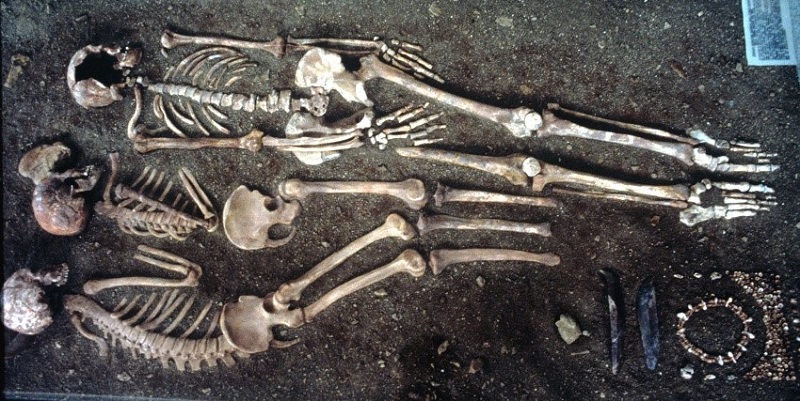
The importance of the caves was recognized by Sir Thomas Hanbury, who in 1898 financed the construction of a museum building (the current Old Museum) where the famous "triple burial" was exhibited—a Paleolithic burial dating to 25,000 years ago, comprising the skeletons of an adult Homo sapiens and two youths buried simultaneously with a rich grave goods consisting of long French flint blades, perforated marine shells, fish vertebrae, deer canines, and worked bone pendants.
The Main Balzi Rossi Caves
Barma Grande: The term "Barma" in the local dialect means cave. This cave yielded the famous "Triple burial" and the remains of the "Cro-Magnon" man, whose local type is known as the Grimaldi Man.
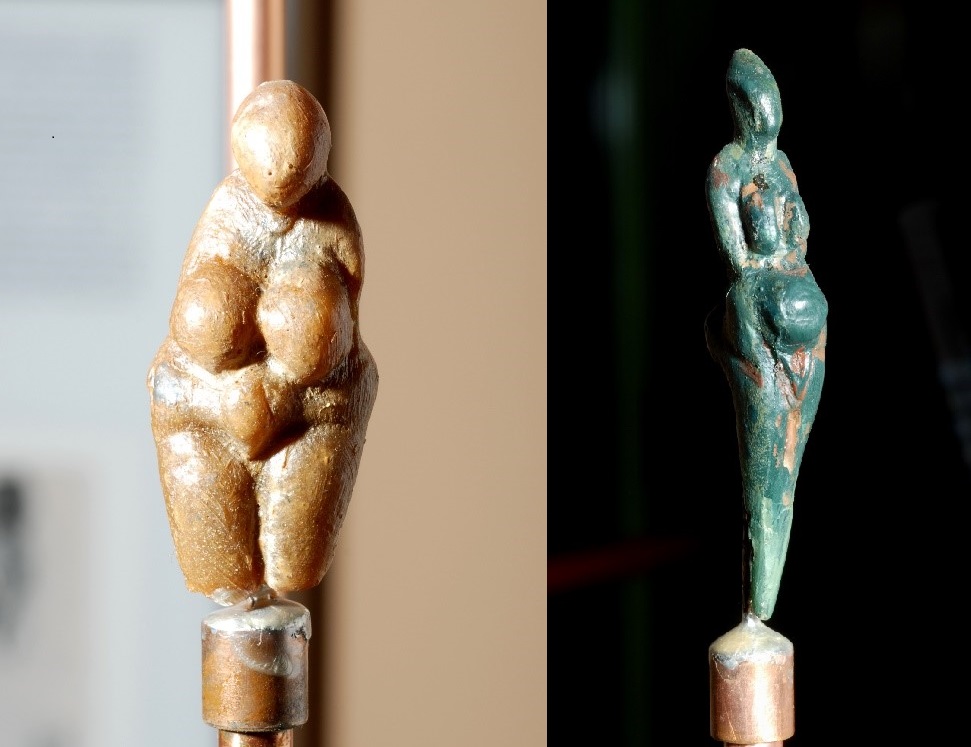
Here, 15 female figurines in stone (the so-called Venuses) were discovered, with highly pronounced female traits, representing a significant manifestation of Upper Paleolithic portable art. Today, some of these are preserved in Paris at the Musée des Antiquités Nationales.
The figurines, made from various raw materials (stone, bone, ivory), are characteristic of the Upper Paleolithic, particularly the so-called Gravettian phases. Those found in the Balzi Rossi caves measure around 10 cm and display the usual exaggerated female features: large breasts, prominent buttocks, and pronounced abdomen. The head, by contrast, is merely suggested and sometimes absent.
Principe Cave: In this cave, remains of tropical fauna such as the hippopotamus have been found. Ascending through the layers from bottom to top, signs of animals adapted to a warm climate disappear, and remains of animals typical of harsh climates appear—clear evidence of the onset of glaciation.
Caviglione Cave: Situated at about 18 meters above sea level, near the western entrance of the railway tunnel opened in 1870. It is a shallow cave, aligned along a diaclase in the Jurassic limestone; it measures 19 meters in length and about 8 meters in width at the mouth. Originally, before excavations, the surface of the Quaternary fill was situated at approximately 32.40 meters above sea level, and the Quaternary deposits had a thickness of about 16.50 meters.
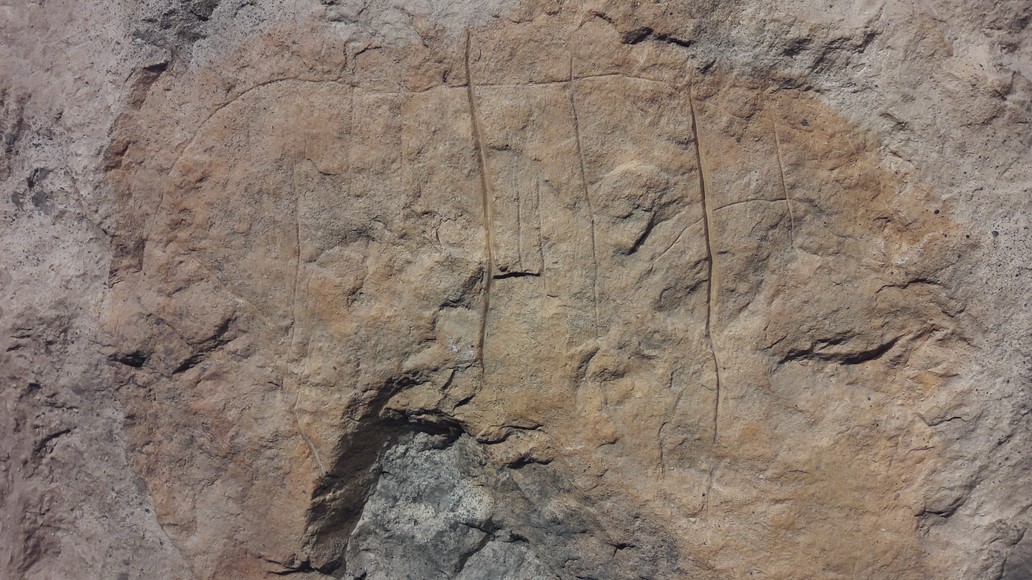
Inside is a rock engraving depicting a wild horse in profile, datable to the Gravettian period. It represents one of the rare examples in Italy of Paleolithic rock art.
Near the cave entrance, at the end of the 19th century, there was a lime kiln dating to the 1st century BCE
Florestano Cave: It is among the largest in the area in terms of internal dimensions.
Children (Fanciulli) Cave: Named after the skeletons of two children discovered by Rivière in 1870. Traces of the Merk rhinoceros, leopard, and cave bear were found in the cave. The skeleton of a woman surrounded by a large number of marine shells was also brought to light.