What Can the Altamura Man Reveal About Early Neanderthal Evolution?
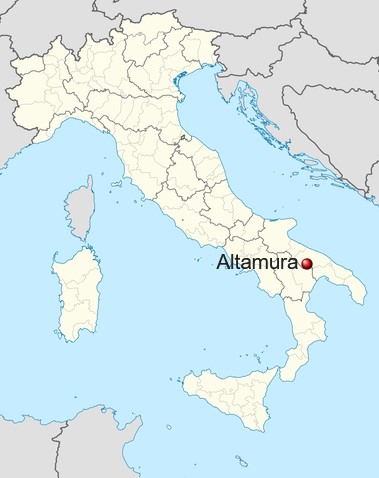
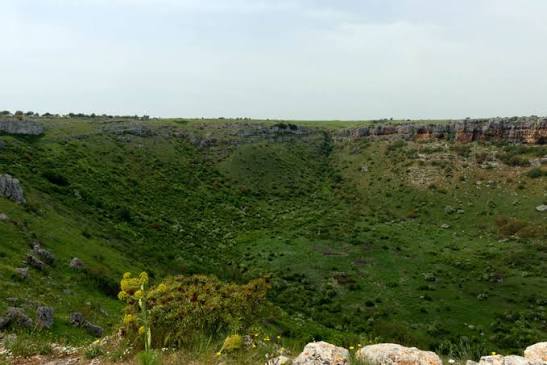
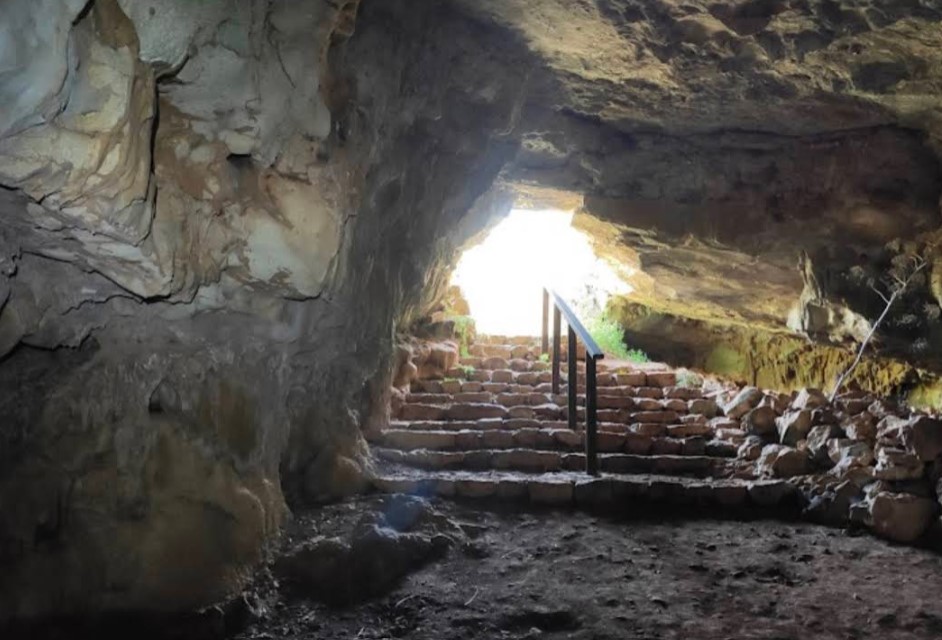
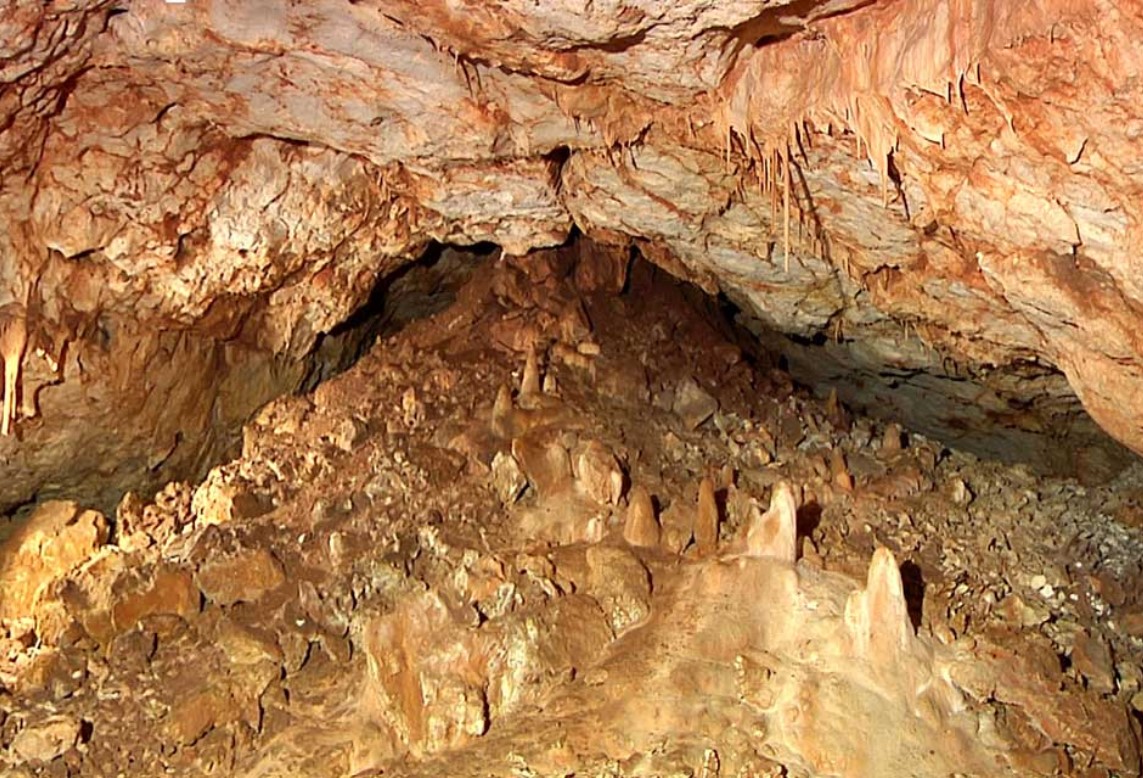
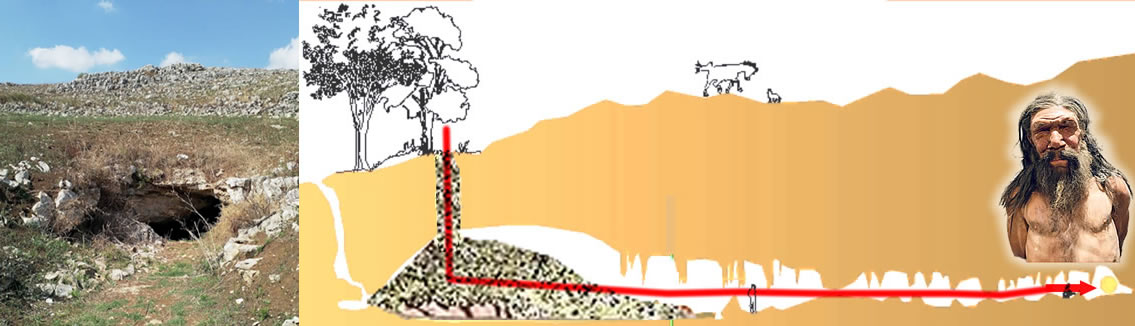
Lamalunga Cave is an archaeological site located in the vicinity of Altamura, in the province of Bari, renowned as the findspot of the Altamura Man. It forms part of a karst complex discovered in 1993 by a group of speleologists. To explore the cavity, they descended through an artificial shaft approximately nine meters deep, thereby reaching a large chamber occupied by a substantial detrital cone, from which a gallery featuring numerous tunnels branched off.
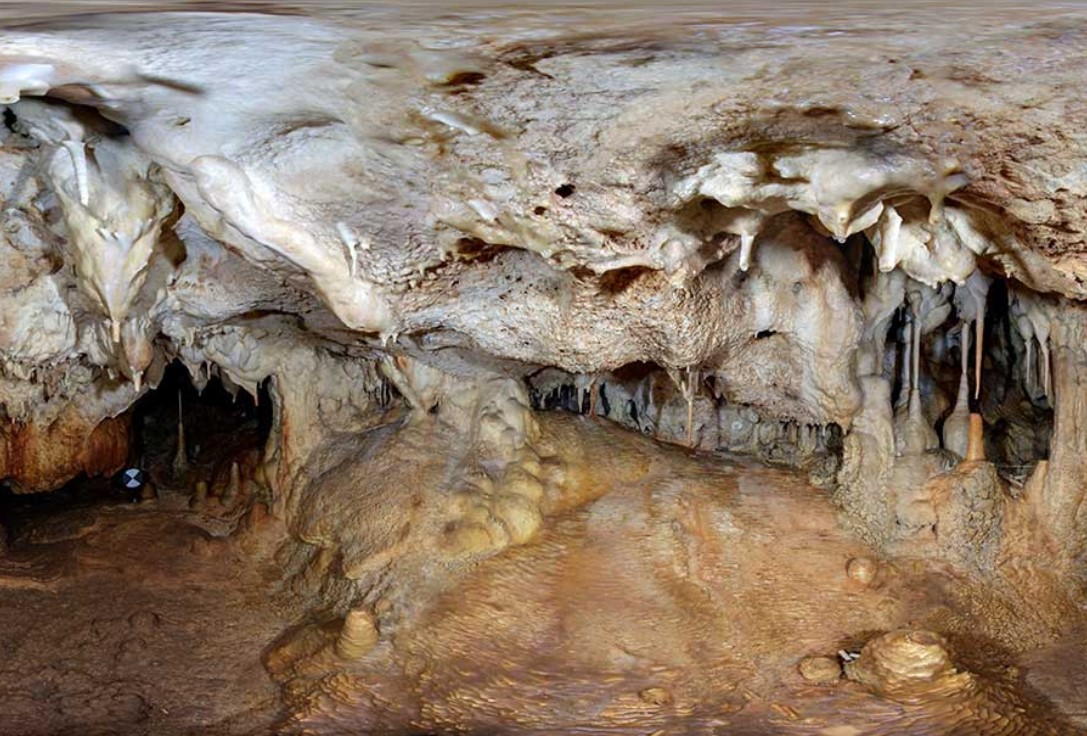
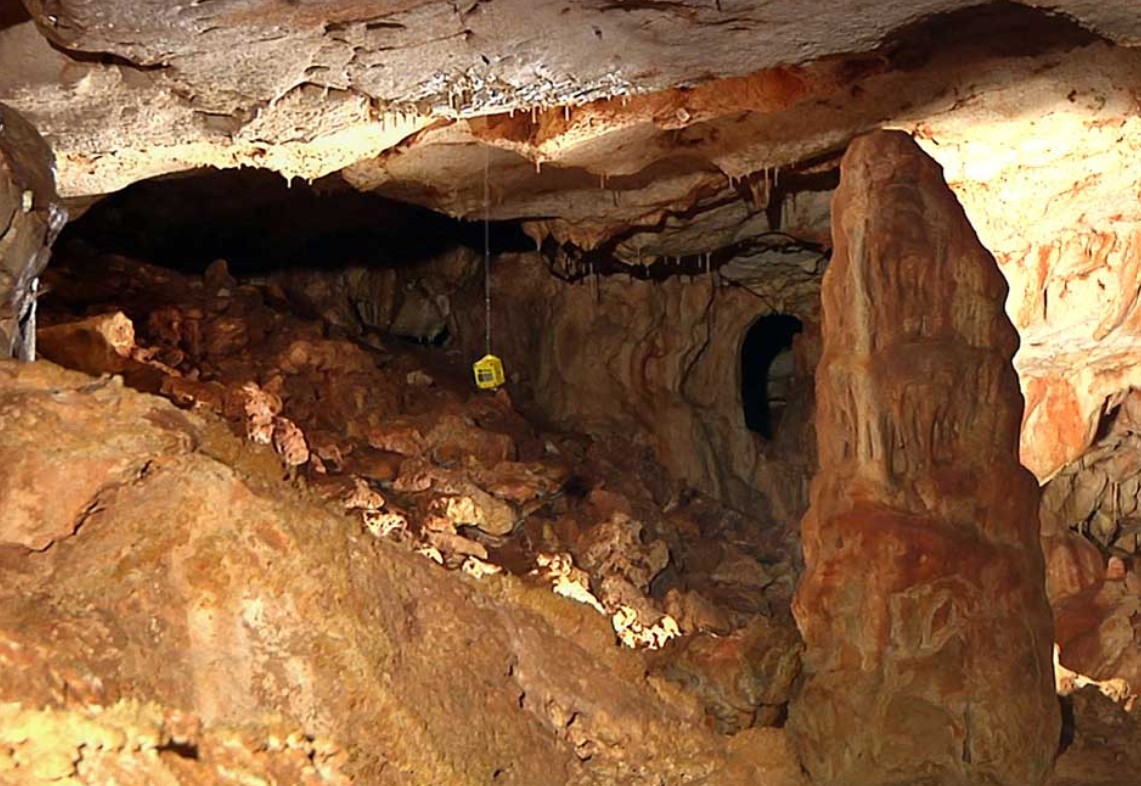
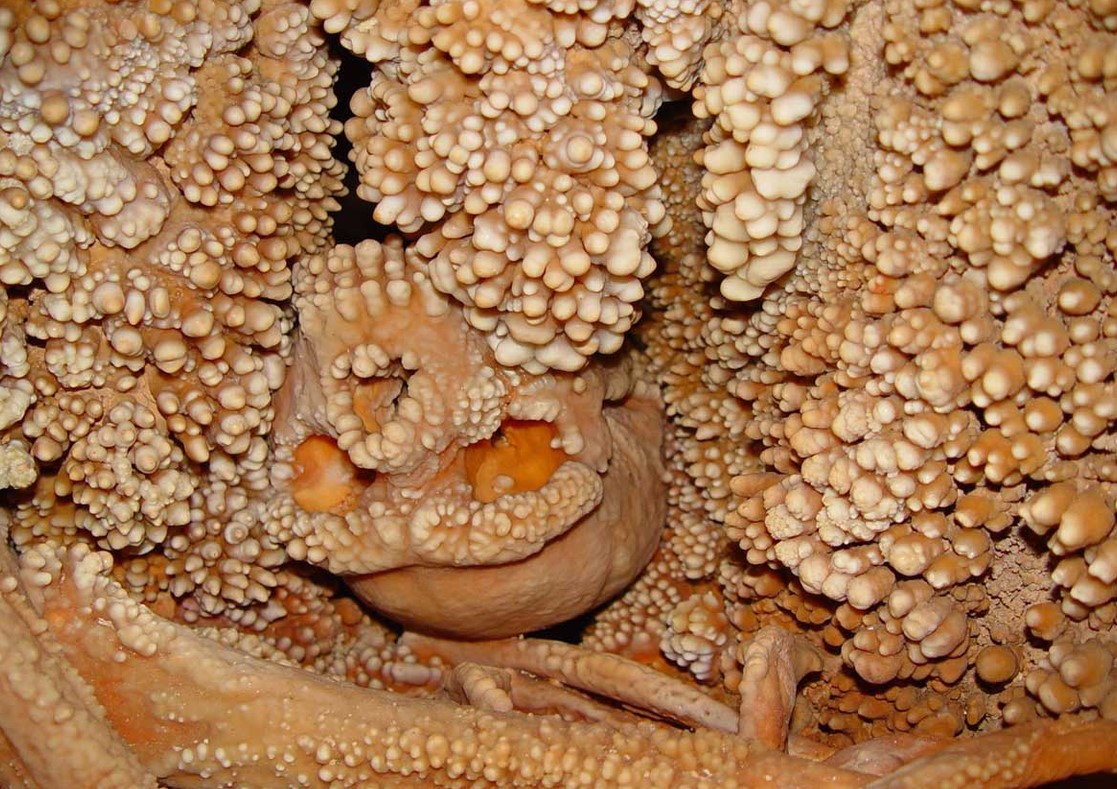
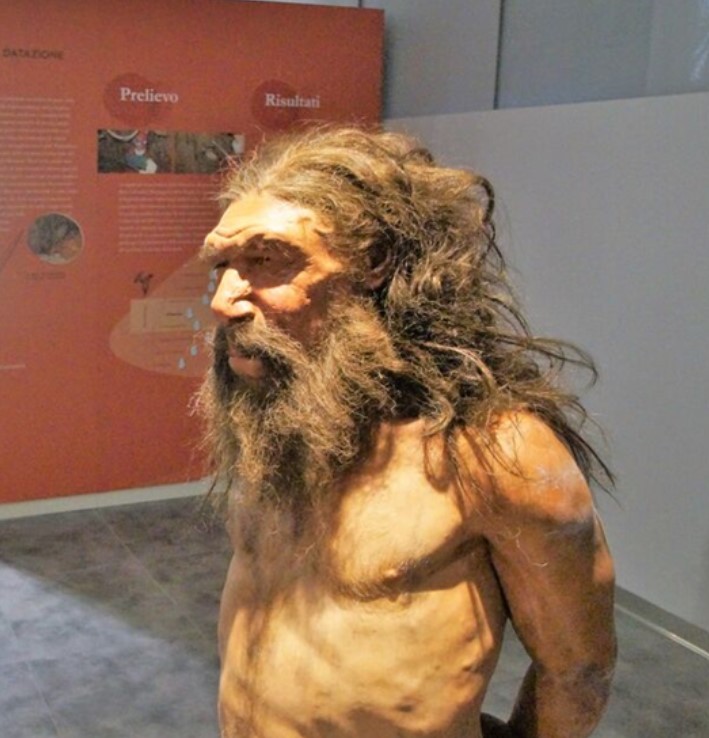
Within one of these tunnels, near a small cavity situated between the floor and the rear wall and characterized by a substantial stalactite curtain, they discovered an almost complete human skeleton encrusted with heavy coralliform concretions (resembling popcorn). Unable to extract it, they opted to document the find through photography. Subsequent examination of the photographs led to the conclusion that the remains belonged to an adult male, approximately thirty years of age, exhibiting several typical traits of Homo neanderthalensis, and dating to a period broadly comprised between 172,000 and 130,000 years ago.
The morphology of the cave features several natural vertical karst shafts, now occluded by sediments, through which the unfortunate individual might have fallen. However, it cannot be excluded that the cave possessed other, more accessible entrances in the past; in that case, however, explaining why this Neanderthal remained trapped there becomes even more challenging.
The individual most likely fell into the cave and became trapped in the darkness, unable to escape due to sustained injuries. The majority of the skeletal elements collapsed to this location following the death of the individual and the decomposition of soft tissues. Over the millennia, subsequent to skeletonization, the bones were incorporated into calcareous concretions. Today, the disarticulated skeleton still lies there, amidst stalactites and stalagmites, in a nearly inaccessible tunnel designated the Aisle of the Man.
The descriptive and quantitative study of the cranium reveals that the morphology of this significant specimen falls within Neanderthal variability, while also exhibiting some less typical—that is, more archaic—traits compared to other European fossils dated between 300 and 40 thousand years ago. Some of these features have never been observed in Homo neanderthalensis, suggesting that their origin may be traced back to extended periods of geographic isolation of human populations within the ecological refugia represented by the southern regions of the Italian peninsula.
The cranial shape of the Altamura Man falls within the variability of this extinct species, sharing characteristics with specimens commonly attributed to the so-called "classic Neanderthals," yet simultaneously displaying affinities with ancient Neanderthals—such as those from Saccopastore, near Rome—or with even more archaic finds, such as the cranium of Homo cepranensis, which dates to approximately 400,000 years ago.
A common assumption holds that Neanderthal remains appear largely homogeneous. And indeed, this holds true, both temporally and spatially, from Spain to Siberia. Nevertheless, there exist small but non-negligible differences: while Neanderthals are highly homogeneous in France, they appear less so in Italy. For instance, the temporal bone of the ear often differs. This variation, in addition to genetic differences, speaks to contacts with external populations.
It is certain that every human being, outside of Africa, retains between 1.5% and 3% of the Neanderthal genome. The primary transmitted genes are those related to cold adaptation and involve lipid metabolism, the resolution of inflammatory conditions, and the protective function of keratin on the epidermis. Today, however, with diets rich in cereals and widespread sedentariness, that different lipid metabolism, which facilitates fat accumulation, proves counterproductive; similarly, the capacity to mount a rapid inflammatory response, once advantageous, has become detrimental, having proven fatal in the context of COVID-19.
It was possible to sample and analyze a bone specimen from the individual's right scapula, which enabled the first absolute dating of the find and the paleogenetic characterization of the skeleton, chronologically framed at approximately 150,000 years ago. This therefore constitutes the most complete Neanderthal specimen ever discovered, and arguably the oldest representative of this species from which endogenous DNA has been extracted; it thus represents a testimony of considerable importance for the study of human evolution in Europe during the Late Pleistocene.
It is hoped that the Altamura Man, the most archaic among identified Neanderthals, may shed light on the early phase of the species' existence.
The cave is further characterized by the presence of numerous faunal bone deposits, among which several animal species are evidenced; the most abundantly represented species are fallow deer and red deer, followed, by fewer remains, by horse, hyena, wolf, bovids, and various micromammals.
Analyses conducted using the Uranium-Thorium method on certain concretions coating the remains have allowed the deposition of the majority of the fauna to be placed within a chronological range between 45 and 30 thousand years ago.