Where is the oldest lake-dwelling settlement in Europe and the western Mediterranean?
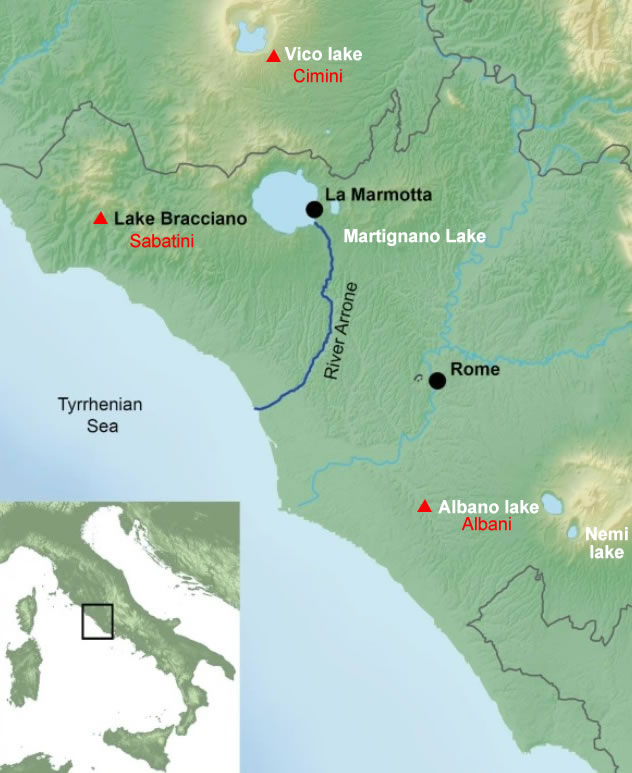
Approximately 350,000 years ago, a new phase of intense volcanic activity affected the entire area northwest of Rome. A massive eruption of the Vesuvian or Plinian type, characterized by an eruptive column, hurled pyroclastic materials into the sky. Lapilli and pumice were forcefully ejected upwards, reaching heights of up to 10 kilometers before falling back to the ground. A vast quantity of material was expelled from a large magma reservoir. Once emptied, the magma chamber collapsed in on itself, forming a caldera – a depression of the Earth's surface caused by the emptying of the magma chamber and the sinking of the overlying rocks. Around 325,000 years ago, fresh water began to collect in this caldera. This was the first basin around which Lake Bracciano would eventually form. On average, an intense eruption occurred in the area every 9,000 years for millennia. The territory was in constant transformation: a great explosive eruption about 33,000 years ago shaped the landscape as we know it today. However, the Sabatini volcanic activity did not entirely cease.
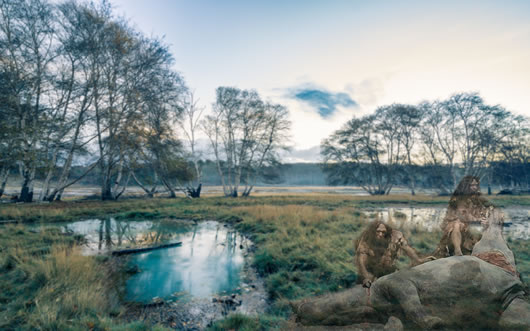
The first populations to colonize these territories, amidst explosions, eruptions, and landslides, were groups of Homo heidelbergensis. They settled mainly in the plains separating the lake from the sea, which was gradually receding at the time. Over the thousands of years that followed, Homo heidelbergensis was replaced by Homo sapiens, which progressively established itself. Initially hunter-gatherers, they became farmers and herders around 11,000 years ago. The Neolithic Revolution also began in the Sabatini area.
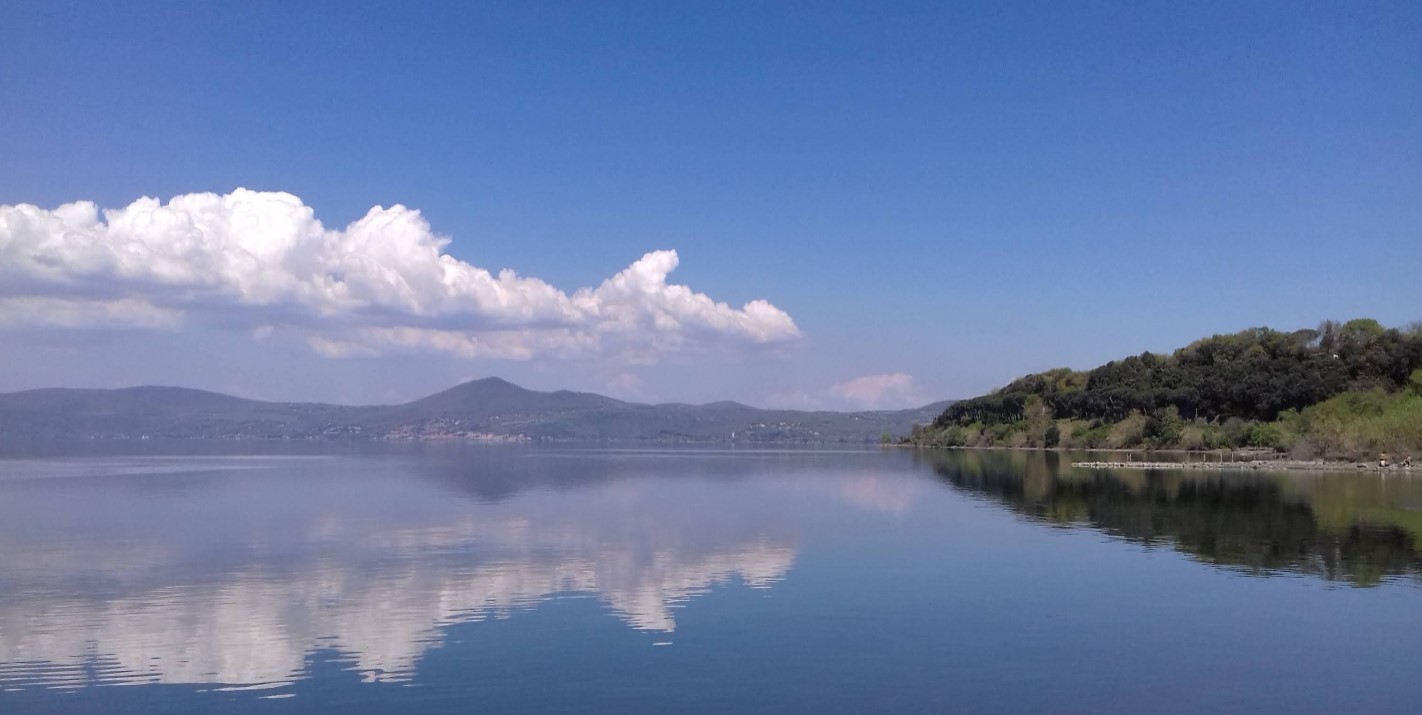
Lake Bracciano (Latin: Lacus Sabatinus) is currently in its terminal volcanic phase, the hydrothermal one. The lake covers an area of 56.5 km², making it the eighth-largest lake in Italy by surface area. It lies at 164 meters above sea level and is characterized by a mild climate and fertile lands, with springs, aquifers, and several inflow streams.
The earliest traces of human presence are found precisely along the shores of Lake Bracciano. Settlements of hut dwellings existed in numerous locations, but the most significant sites have been uncovered in the Vicarello area, along Via della Sposetta (Lungolago Argenti), and especially at La Marmotta in Anguillara Sabazia.
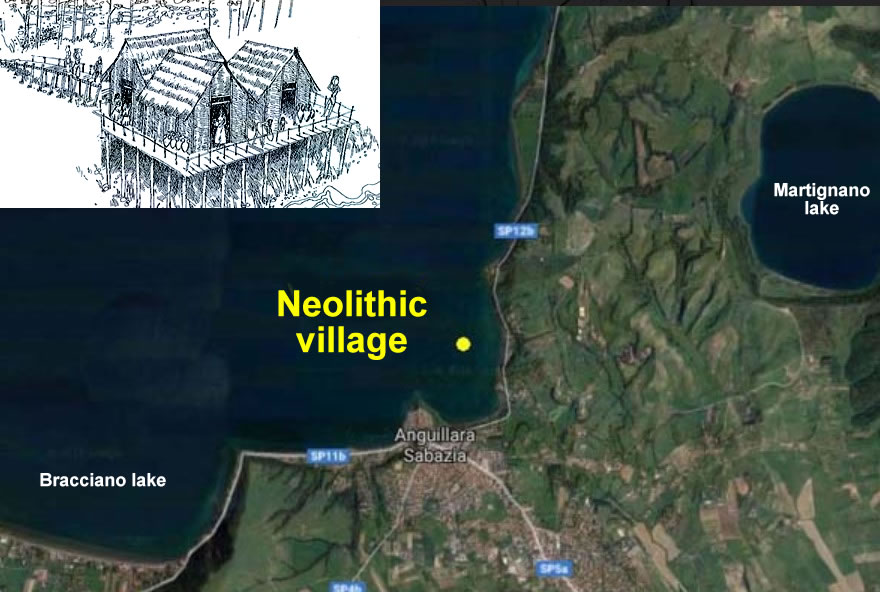
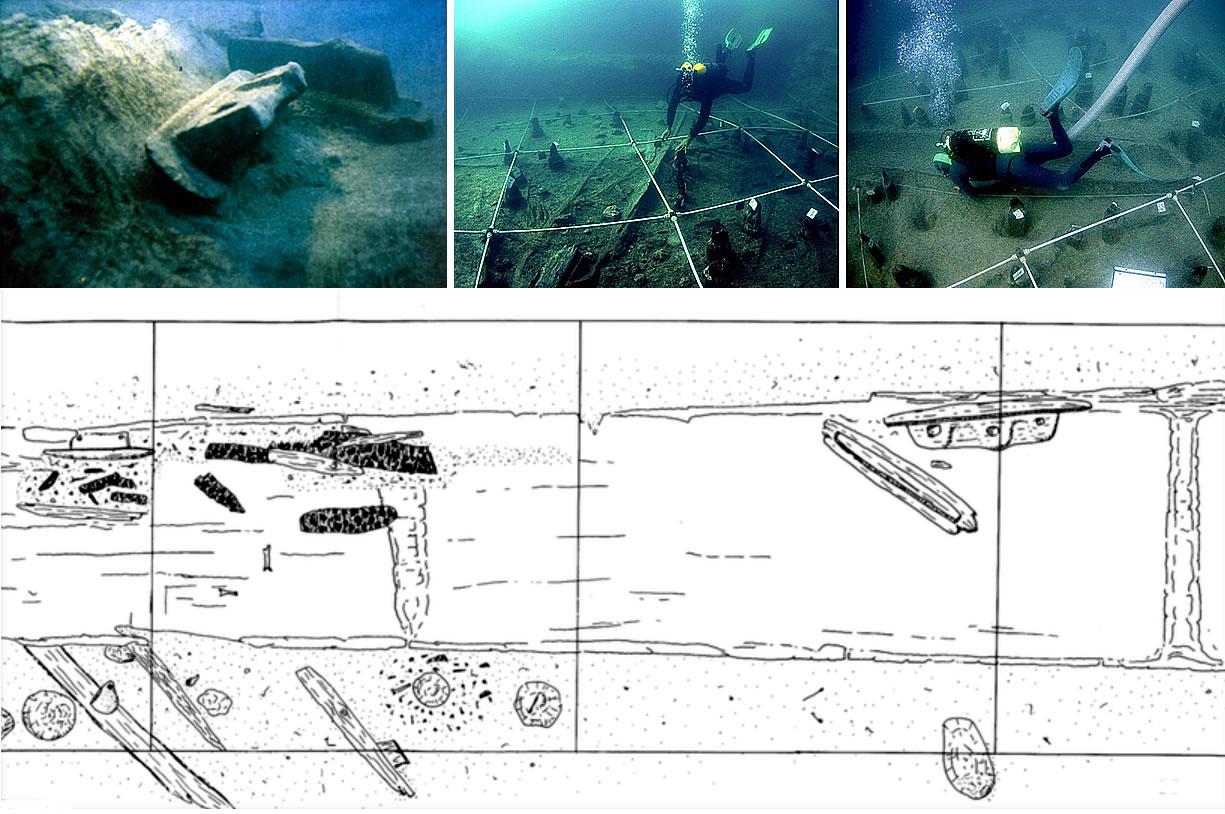
'La Marmotta' (The Marmot) site came to light in 1989 during inspections carried out to lay the pipes for the new aqueduct on the lakebed. Before the pipes were installed, the divers surveying the area discovered, about 350 meters from the current shoreline, a deposit of ceramic materials, wooden poles driven into the ground, and planked surfaces. This prompted systematic recovery and study efforts.
What emerged was a vast submerged Neolithic village, lying at a depth of approximately 11 meters.
Abandoned suddenly, perhaps due to a flood, archaeologists found pots filled with food, and in particular, one containing bones and cereals, as if a meal was being cooked when the lake waters overflowed.
The village existed for about 450 years, from 5,700 to 5,300 BC. It is the oldest Early Neolithic lakeside settlement in southern Europe and the western Mediterranean, thus attesting to the occupation of lake shores as early as the first half of the 6th millennium BC.
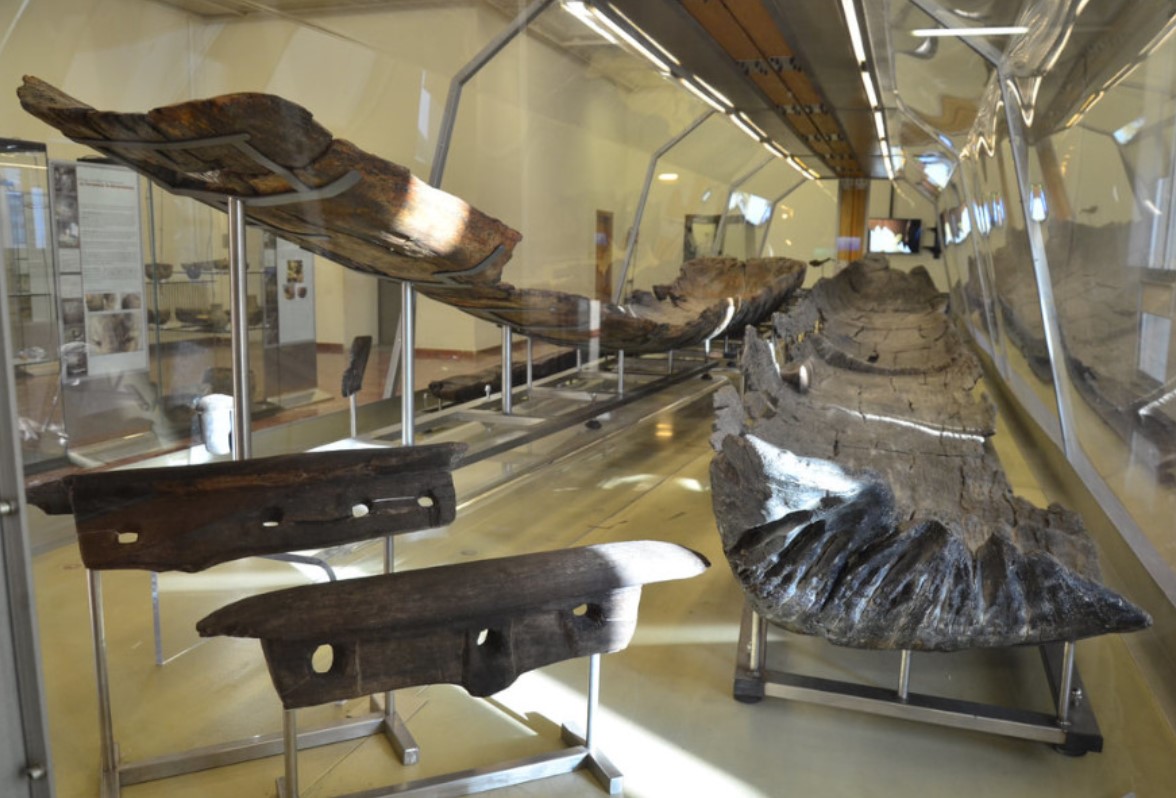
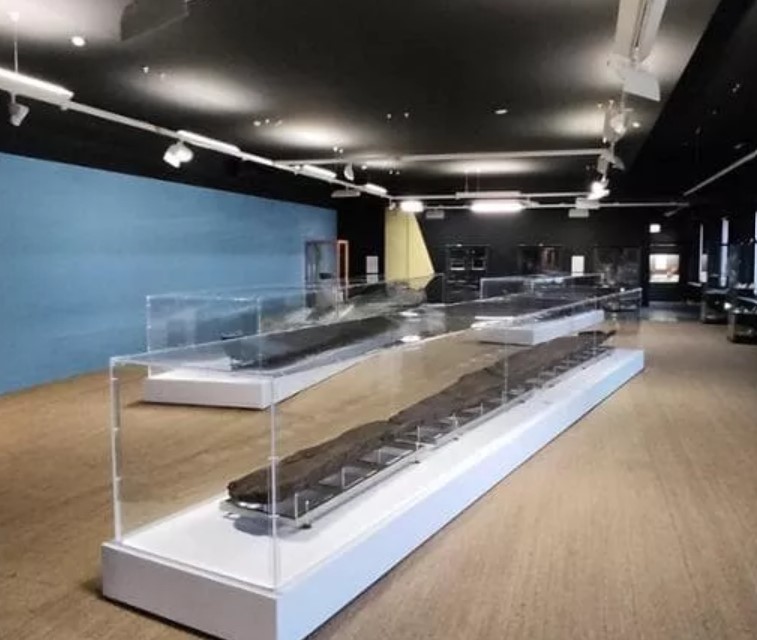
Underwater archaeologists discovered the Neolithic archaeological deposit, with many posts, wooden planks, and ceramic materials, beneath a 2.5-meter-thick layer of silt. Moreover, they also found dugout canoes, the oldest in the Mediterranean area.
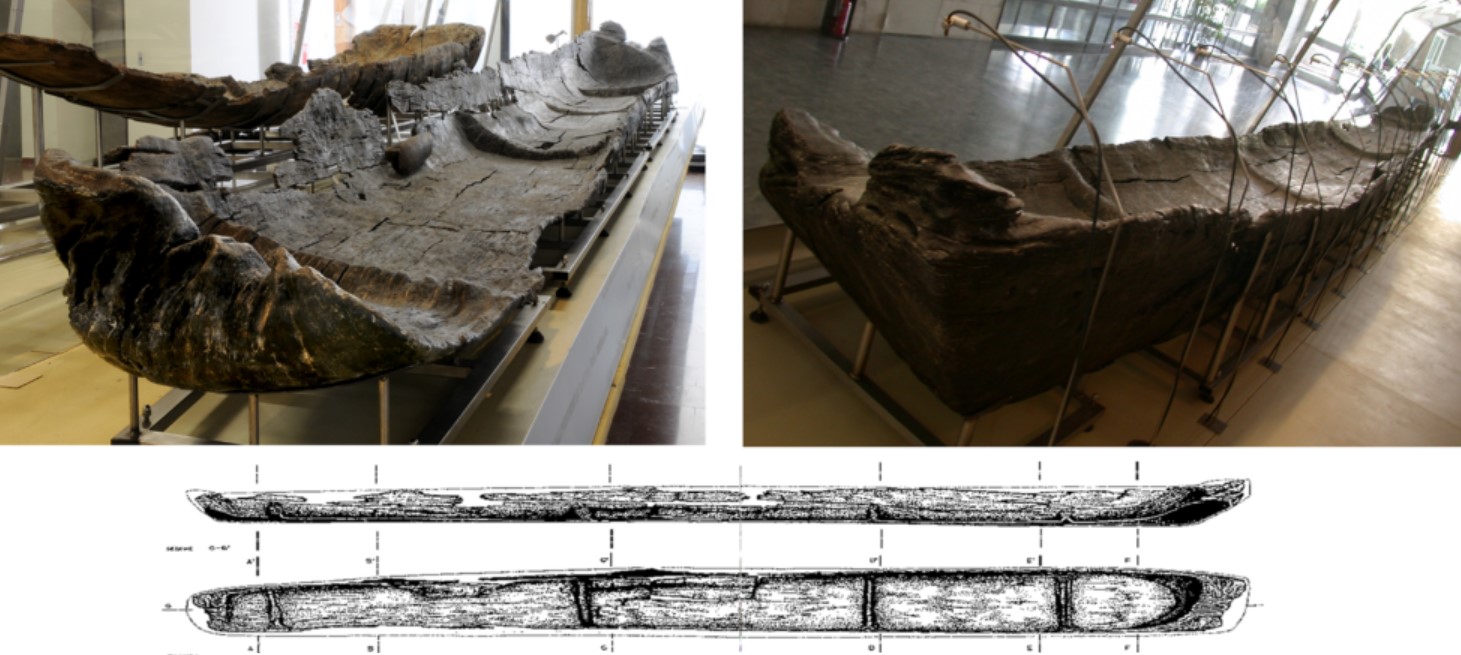
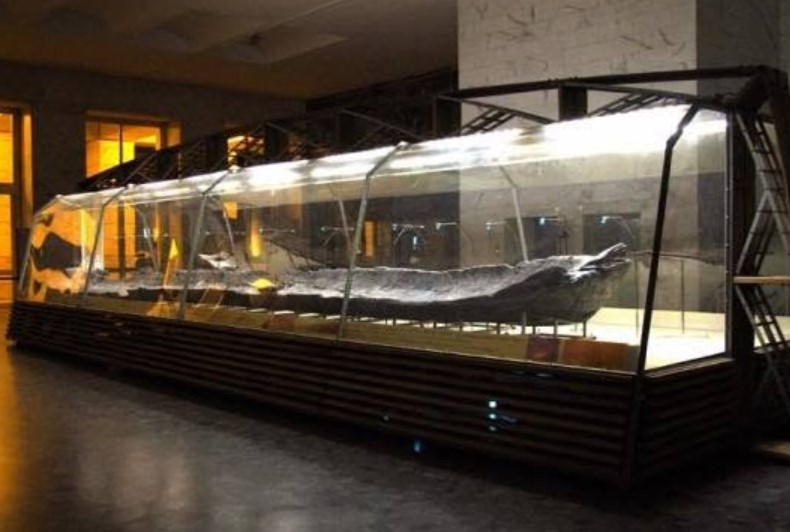
The discovery of a well-preserved monoxylous dugout canoe (hollowed out from a single tree trunk) is a very rare event, and the small fleet of 5 canoes discovered at La Marmotta between 1993 and 2006 constitutes an exceptional find.
The first canoe found (Marmotta 1, 10.43 m long; 1.15–0.75 m wide) lay within an area delimited by several posts driven vertically into the ground, perhaps protected by a collapsed covering (beams and stakes), with its left side tilted at 45° leaning against 7 posts, and its stern resting on two posts driven obliquely into the lakebed in the village's foundation level II. Radiocarbon dating carried out on the vessel and on a post driven in front of the bow provided a calibrated date of 5450 BC.
The canoe was carved from a single large oak trunk, hollowed out from the inside with the aid of fire, and then the charred portion was removed using polished stone axes, also used for working the exterior of the sides. On the inner bottom of the hull, four transverse reinforcing ribs were left in place. Inside the vessel, three artifacts with cylindrical through-holes were found, whose use remains uncertain. The second canoe (Marmotta 2, 5.41 m long; 0.53–0.36 m wide), the third (Marmotta 3, 8.40 m long; 0.65–0.40 m wide) – both carved from alder trunks (Alnus sp.) – and the fourth (Marmotta 4, 4 m long; 0.65–0.40 m wide) – carved from a poplar trunk (Populus) – were also found in level II, anchored to the ground with posts. The fifth (Marmotta 5, 9.50 m long; 0.60 m wide) was carved from a beech trunk (Fagus sylvatica).
It is presumed that the settlement extended over an area of more than 2 hectares, built on a shoreline area consolidated by inserting hundreds of oak, laurel, alder, and ash posts, up to 3.50 m high and with a diameter between 15 and 30 cm, into the clayey soil.
Indeed, the territory was covered, in addition to dense shrublands rich in wild fruits and game, by wooded areas – both the so-called laurel maquis typical of the Mediterranean area during warm-humid periods (oaks, laurels, ashes, and alders) and forests composed of laurel, holm oak, beech, maple, poplar, hornbeam, and hazelnut. All these trees were used for obtaining the timber needed for reclamation works, building huts and boats, and producing all the other wooden artifacts in the village.
The particular environmental conditions allowed for the preservation of dwellings, tools, containers, textile fibers, plant remains, and wooden artifacts. The finds document a community steadily engaged in agriculture, animal husbandry, fishing, navigation, and long-distance trade.
The settlement shows a functional organization, with areas designated for the repair and/or storage of 5 canoes, each carved from a single trunk (monoxylous), which seem to document the use of the lake and its emissary, the Arrone River flowing into the Tyrrhenian Sea, as communication routes.
The huts, oriented north-south, rectangular and internally subdivided (with dimensions of 6–8 x 8–10 m), had their superstructure supported by sturdy posts driven deep into the ground; the walls, sometimes reinforced at the base with stone foundations, were made of wooden elements covered with thick layers of raw clay mixed with straw, while the floors were mostly covered with layers of pressed clay. Hearths, some as large as 1.5 m, were located in the central area of the huts.
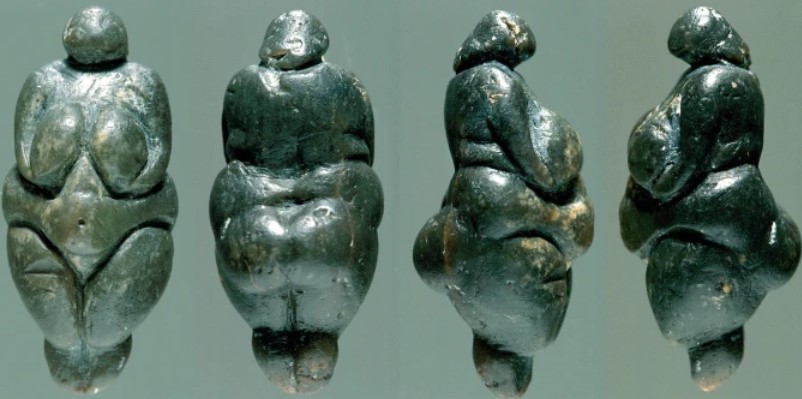
Beneath the floor of a structure interpreted as having ritual significance, the so-called Venus of Bracciano was found – a small female figurine in green steatite, about 4.8 cm high. It depicts a seated figure with highly accentuated sexual characteristics and body shapes (breasts, belly, hips, and thighs), and is dated to the 6th millennium BC, although the hypothesis that it is an older object reused in the Neolithic period cannot be ruled out.
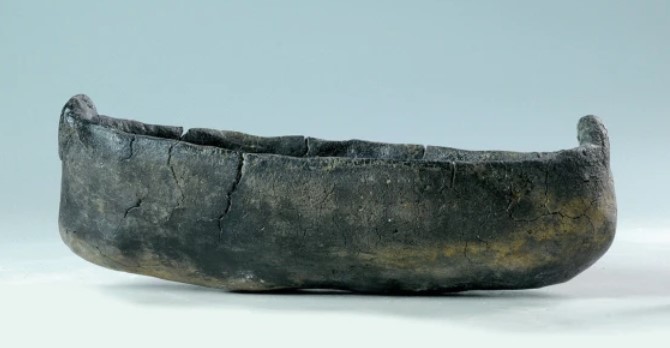
The community's propensity for navigation is also documented by the discovery, inside the huts, of ceramic vessels shaped like boats. One of these "models" (perhaps linked to ceremonial or cultic practices) also seems to attest to a type of boat never before documented in the Mediterranean during the Neolithic period, more complex than the monoxylous canoes.
The Discovery of Cinnabar Red
At other Paleolithic archaeological sites—such as the Balzi Rossi, Finale Ligure, Paglicci, Ostuni and Romito—we have seen how Homo sapiens used red ochre in funerary rituals between 110,000 and 14,000 years ago. Recently, however, researchers discovered that in the early 6th millennium BCE, certain Neolithic communities in Lazio, near Lake Bracciano (at La Marmotta and Sasso, used cinnabar instead of red ochre as a pigment. This represents the earliest known use of cinnabar in Italy: these communities had already developed advanced techniques for extracting, processing, and utilizing it.
The use of cinnabar in these contemporary Neolithic communities reflects a significant cultural and symbolic dimension. The red pigment obtained from cinnabar was not only used to decorate artifacts but was also associated with ritual and ceremonial practices, including funerary rites and body decorations. This symbolic use of cinnabar may indicate a complex social and spiritual structure among the Neolithic populations of the Lazio region.
The study of cinnabar deposits on the Italian peninsula suggests that this substance was extracted from sources located considerable distances away, indicating a well-established exchange and trade network—one in which not only goods but also knowledge were shared.
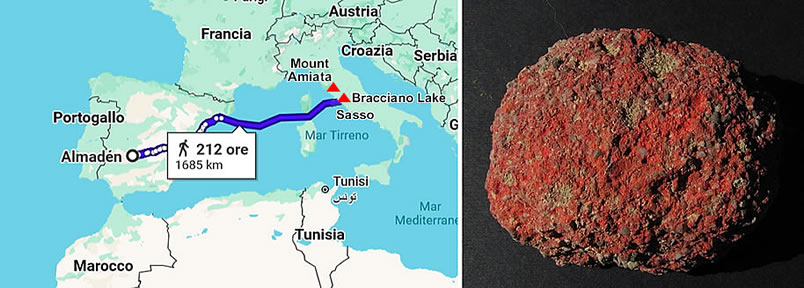
From this mineral, through roasting and subsequent condensation, mercury was extracted, making cinnabar toxic. It therefore required careful handling and special processing, meaning that the populations who used it must have possessed a certain degree of technical knowledge and competence.
Due to its toxicity to both humans and the environment, during ancient Roman times, slaves and convicts were sent to work in the cinnabar mines of Almadén, Spain. This penalty was tantamount to a death sentence, given the low life expectancy of those forced to live in contact with this mineral. Indeed, the world's most important productive cinnabar deposits were located at Almadén in Spain and in the volcanic area of Monte Amiata in Italy, approximately 120 kilometers from Bracciano. Cinnabar has a telethermal magmatic origin, meaning it forms at fluid temperatures below 100°C. It forms near volcanoes, both in quiescent states and those nearing extinction (i.e., practically extinct or nearly extinct volcanoes), primarily from deep thermal water veins rich in minerals at temperatures below 100°C and from shallow, cold magmatic veins.
Cinnabar, like sulfur and other minerals, is a product of secondary volcanic activity—that is, a complex set of phenomena affecting the area around the volcano, all more or less closely related to the presence of magma at various temperature stages. Unlike sulfur, however, cinnabar is not found in nearly all volcanic areas but only in a limited number where the conditions for its formation coincide.
Generally, cinnabar occurs as an impregnation in various rocks, typically in small quantities. Small crystals can be found in lithoclases or cavities. In the Monte Amiata area, it is widespread in compact and granular masses or as a fine impregnation of sedimentary rocks—clay, limestone, and sandstone—or, more rarely, in trachyte.
Known to the ancient Greeks, cinnabar—both natural and synthetic—was used in painting to produce the pigment vermilion, for mercury extraction, and for separating gold from impurities in the ores containing it.
Craftsmanship
Farmers, herders, hunters, but also artisans: the inhabitants of the La Marmotta village were able to provide for all the primary needs of group life. Various forms of craftsmanship were practiced, including carpentry, pottery, weaving, stone, wood, bone, and antler working, and they also produced personal ornaments such as wild boar tooth pendants, necklaces made of shell, stone, and seed elements.
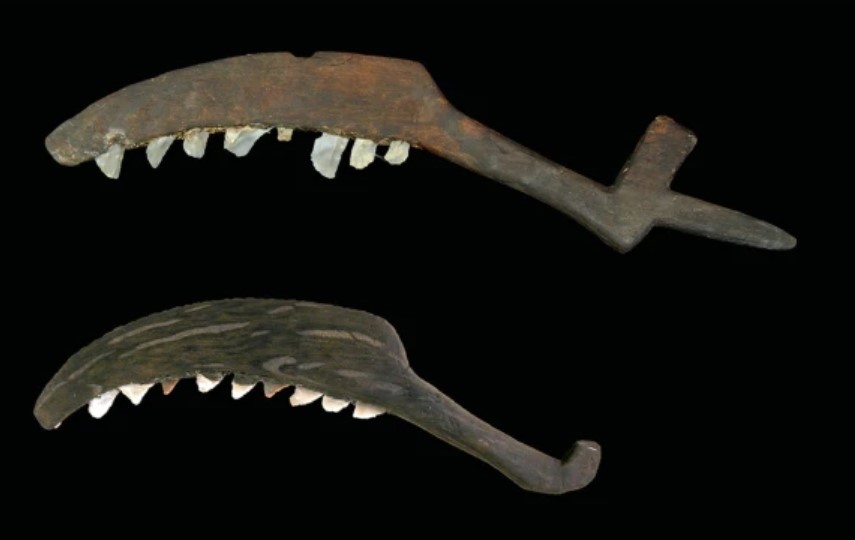
The quantity and quality of the lithic and ceramic artifacts, but above all the very well-preserved wooden ones, show both the technical progress in the construction of dwellings and boats (bollards, paddles, movable elements for the sides of canoes) and the refined carpentry of tools related to animal husbandry (ladles, butter churns), weaving (spindles, whorls, loom weights), and agriculture (sickles, sticks, beaters, handles). The numerous wooden objects (sickles, cups, plates, spoons, bobbins, awls) of various types demonstrate in particular that the village inhabitants had an excellent knowledge of the different wood species present in the surrounding areas, as well as exceptional mastery of various woodworking techniques.
The Cultural Facies of La Marmotta: Pottery and Decoration
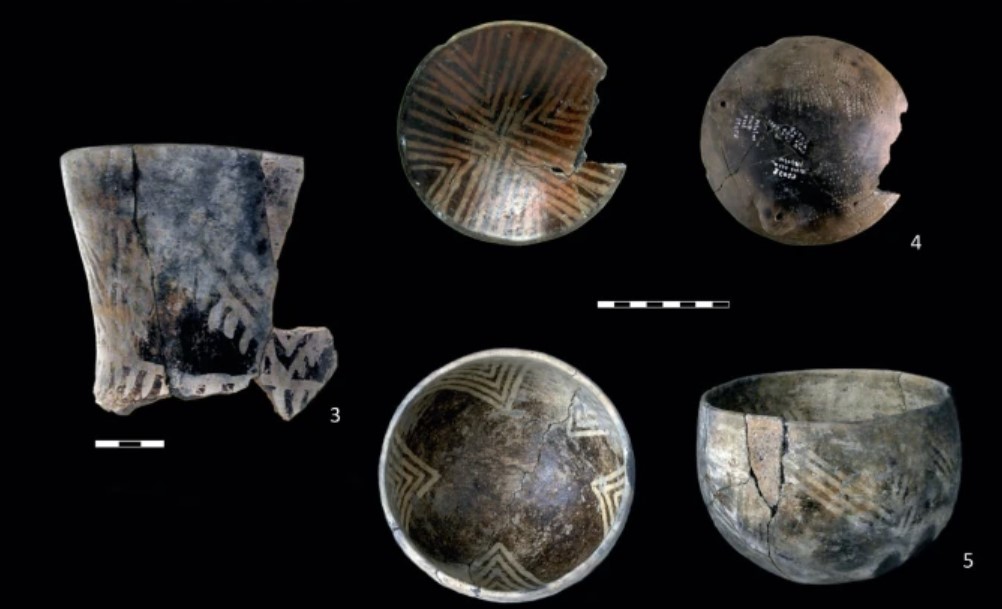
The materials found inside the huts reveal a highly articulated and unprecedented cultural aspect, characterized by a multiplicity of influences that can also be traced back to the site's geographical position, located in an intermediate area between different cultural spheres. The facies (a term used to describe objects belonging to a homogeneous archaeological horizon) of La Marmotta is characterized by the presence of pottery decorated with Cardial impressions and linear incisions, as well as painted motifs. Its style falls within the sphere of Impressed Ware of the Tyrrhenian area and southern Italy, but also within the oldest Southern Painted Ware.
The surfaces of the vessels, once smoothed, were covered with painted decorations or those made using impressions, grooves, and incisions.
• Impressed decoration on the still-soft wall of the vessel was obtained using simple tools, such as a shell valve (Cardium) or fingers. Impressions made with Cardium produced denticulated lines, organized in geometric patterns (triangles, filled bands, zig-zags), and characterized Early Neolithic pottery of the Tyrrhenian area.
• Painted pottery, on the other hand, features decorative motifs with parallel, angular, or stepped bands painted in red, white, gray, or black, in some cases both on the inside and outside of the vessels. Linear incised decorations are finally reproduced on shaped bowls and affect the upper part or the entire surface of the vessel, forming angular and lozenge motifs. Some artifacts seem linked to particular uses, such as the terracotta pipes (decorated with painted motifs and Cardial impressions smeared with ochre) and some artifacts decorated with naturalistic motifs made with Cardial impressions (including an animal, probably a wild goat). The decorative motifs in this case can be traced back to the cultic sphere and represent, in a stylized way, the sun, an orant figure, and ears of grain. The image of a butterfly, made with incisions and dotted lines on a cup, is also recognizable; in some Neolithic cultures, it is linked to a female deity and the afterlife.
Lithic and Bone Industry
At the La Marmotta village, the chipped stone industry is abundant, predominantly in flint but also in obsidian, unlike polished green stone tools, which are less frequent. The quality of the flint used varies from simple river pebbles collected locally to high-quality material, while the obsidian came from much farther away. We find cores, scrapers, end-scrapers, points, geometric microliths, and blades, some of which show the characteristic sheen that identifies sickle elements related to agricultural activity.
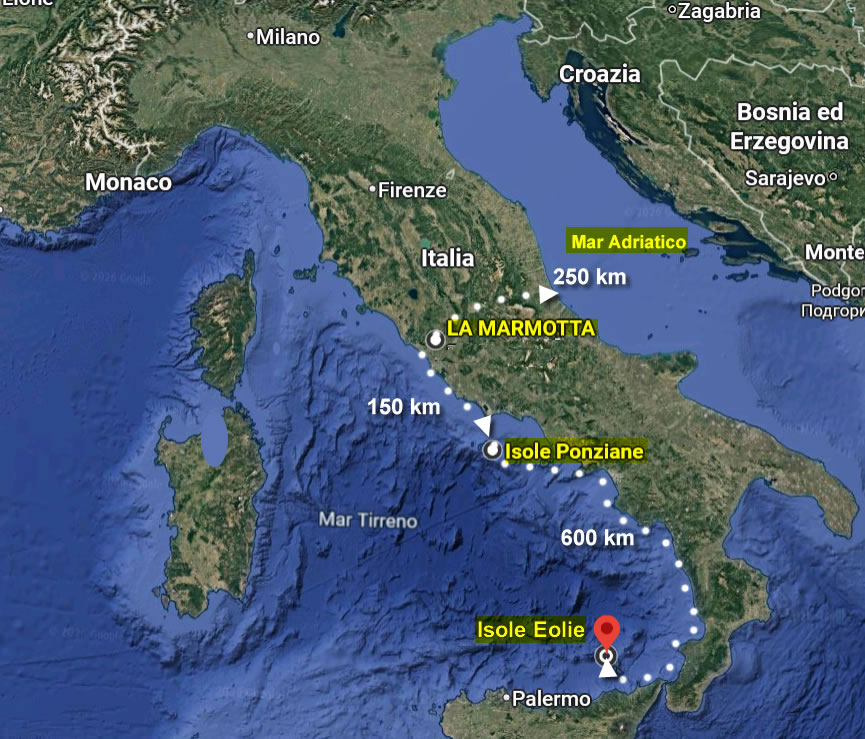
The presence of obsidian documents the complex and extensive network of commercial and cultural exchanges established as early as the Early Neolithic, following a route that from Lipari (Aeolian Islands, about 600 km from the lake) and Palmarola (Pontine Islands, about 150 km from the lake) reached the Tyrrhenian coast and from there, ascending the Arrone River to the La Marmotta village through the Apennines, reached as far as the Adriatic area (about 250 km in a straight line from Bracciano by land).
The trade in green stones, used for producing axes, adzes, and chisels and originating from the Ligurian-Piedmontese area, also confirms these exchanges. Among the tools, we also find bone implements (awls, spatulas, needles) obtained mainly from the central wall of long bones of ovicaprines, but also roe deer and pig canines. Several Mesolithic tradition traits present in the village's lithic industry – which in itself is nonetheless an exceptional case, as it is rarely documented from such an early period – find parallels in similar Neolithic complexes from the inland Abruzzo area, bordering Lazio, as in the case of the lithic tools found in the Neolithic sites of the Fucino lake basin, where other common features can also be identified.
Agriculture and Gathering
In the forest, the inhabitants of La Marmotta gathered seasonal fruits such as plums (Prunus domestica), sloes (Prunus spinosa), cherries (Prunus avium), wild pears and apples (Prunus sp., Malus sp.), figs (Ficus carica), elderberries (Sambucus sp.), dogwood berries (Cornus mas), strawberries (Fragaria carica), blackberries (Rubus fruticosus), and raspberries. Hazelnuts (Corylus avellana) and acorns (Quercus sp.), easy to store, were collected for the autumn and winter seasons when plant provisions could be scarce.
Also in the forest, the Neolithic people cleared large areas for cultivation. Once a suitable area not too far from the village was identified, they cut down the trees at the base, stripped them of branches, and transported them to the lake. The wood thus obtained was used to build the village dwellings and make boats, various types of tools and containers, as well as to produce light, heat, and fuel for cooking. The clearing was initially cleaned by a controlled fire; subsequently, the soil was prepared and sown using hoes, furrow diggers, pointed sticks, and perhaps even real plows. After a few years of cultivation, the fields were abandoned, new clearings were opened, and the cycle began anew. The farmers cultivated emmer wheat (Triticum dicoccum), barley (Hordeum vulgare), einkorn wheat (Triticum monococcum), bread wheat, and perhaps durum wheat (Triticum aestivum/durum); once ripe, the ears were cut and stacked in sheaves inside special containers located within the village. Lentils (Lens culinaris), peas (Pisum sativum), bitter vetch (Vicia ervilia), and chickling vetch (Lathyrus cicera) were also cultivated, as well as flax (Linum usitatissimum), whose fibers were used for spinning and weaving, and whose seeds were eaten or crushed to extract oil.
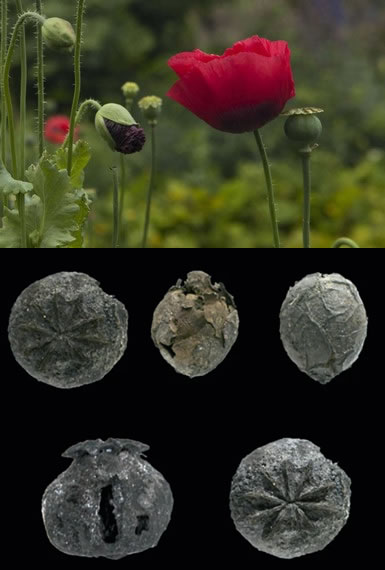
Seeds and capsules of opium poppy (Papaver somniferum) were also found, whose seeds and capsules were eaten or crushed for oil (seeds), and the latex, probably used for medicinal and/or hallucinogenic purposes. This is the earliest evidence of the presence and probable cultivation of this plant for officinal or psychoactive use in the Mediterranean area.
Animal Husbandry, Hunting, and Fishing
Over 15,000 faunal remains found at La Marmotta come mostly from domestic species, but the presence of bones belonging to wild species testifies that hunting was still practiced, to supplement the meat supply and obtain furs (wildcat, fox, otter, badger) and bones for making tools (roe deer bone awls), as well as to procure objects for personal ornamentation (wild boar canine pendants).
Among mammals, wild boar and roe deer are especially present, while deer, aurochs, hares, hedgehogs, foxes, polecats, otters, badgers, and wildcats are rarer. Among the hunted birds (all aquatic species), there are the little grebe, great crested grebe, coot, mallard, and ferruginous duck; remains of pond turtles have also been found. Fishing is attested by bone hooks and remains of lake fish (pike, tench, and other freshwater fish specimens). Animal husbandry and pastoralism are documented by species in a very advanced state of domestication: ovicaprines are the most represented, followed by cattle and pigs. Pigs, sheep, and goats were generally raised for meat production and were slaughtered at a young age (between 6 months and 2 years). Cattle, on the other hand, were also used for milk production and as draft animals, and were slaughtered at a more mature age (between 4 and 8 years). Among the domestic fauna, we also find the dog, represented by two different types: one, more common, with a short snout and small size, and one of medium-large size; butchery marks on some bones suggest it may have also been used for food purposes. The wild fauna species identified finally confirm the presence, around the village, of extensive wooded areas and marshy stretches covered by dense reed beds.